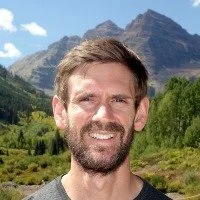
John Ireland: Kobe Bryant Memories from the Lakers’ Play-by-Play Announcer
Phil White (00:00:13):
Sound okay? Okay, let's do it. 3, 2, 1. And we are live.
Tim DiFrancesco (00:00:20):
John, I always talk to people to help frame to them the years that I was with the Lakers in a way of my first four years were Kobe's final four years. You on the other end of that can say and sounds I think do say to people to help them frame your timeline with the Lakers and within your role as your first year was Kobe's first year. And I'd love for you to crack that open and talk to us a little bit out of the gates of something that stands out for you as one of the most Kobe moments that will never leave you.
John Ireland (00:00:56):
Well Tim, you've locked into one of my favorite subjects. I love talking about Kobe and I remember when he died I was nervous as to how much I could talk about Kobe because I didn't know what was appropriate and what wasn't.
Tim DiFrancesco (00:01:14):
And
John Ireland (00:01:14):
Rob Lenka kind of gave us all a green light when he issued a suit. We were worried about Rob when Kobe died because
Tim DiFrancesco (00:01:21):
That
John Ireland (00:01:21):
Was his best friend. We thought he would probably take a leave of absence. He didn't. And strangely the Lakers galvanized and won the title that year, but Rob kind of made it okay for all of us to talk about Kobe and Gigi when he said, look, we're the torch bearers of their legacy, so you need to tell people about 'em and we need to do podcasts like this and we need to do shows like this. So people who didn't get a chance to see 'em play or maybe who didn't have a front row seat, Tim, like you and I did, can tell people about what a unique person this guy was. And guys, I could tell Kobe's stories for hours, but the one I tell that I think draws a pretty clear picture of the difference between Kobe and most other players is I'm a radio TV guy in Los Angeles and I've had a radio show the entire time I've been there since the mid nineties and I've been on it every potential time of the day.
(00:02:19):
I've done a morning show, a midday show. Right now I'm on from one to four, I've done four to eight, I've done eight to midnight business that if you hang around long enough you'll get assigned to do a different part of a talk show. So for people listening, Tim and I traveled together the whole time. We were both at the Lakers, so Tim, you know that I would go to the arena whenever my radio show was. If it was at 10 in the morning, I'd be the arena at 10 in the morning, two afternoon, six o'clock, whenever I would just go early and do my show from an empty arena. So we didn't have to pay two engineers, we'd just pay the guy that was setting up for the game to come in early. And
(00:03:02):
No matter what time guys, I got there, 10 in the morning, noon, two in the afternoon, there was Covid, he's on the court shooting by himself or maybe he had one trainer with him. And it became a running joke between the two of us that no matter what time I got there, he would be there first. And his work ethic is, and I know you had a fur row seat to the ski, his work ethic was indescribable. No matter what time I would get to the arena, he would be there. And he wasn't just screwing around, he was working on stuff. I remember one time, and this'll give you a little insight into Kobe, he was working on a move. I saw him do it 15, 20 times in a row and he came over to take a break to get a drink of water over by where I was doing radio. And I said, can I ask you something? And he said, sure. I said, I've watched you do that move now 20 times and I'm pretty sure that's traveling. And he said, it is, but I can get away with it. And sure enough,
(00:04:03):
We played the game that night. He does this drop step where I see him do the exact move he did. I know it's traveling and the ref doesn't call it and he does it again and the other coach is going ballistic and he's saying, that's traveling, that's traveling. And the ref's saying, I can't call what I don't see. And he probably used the move three, four times during the game and afterwards I said, how did you know they weren't going to call it? And he said, because I've seen Jordan do it about 50 times and they never call it on him. And so on
Tim DiFrancesco (00:04:34):
Top of
John Ireland (00:04:35):
Sick work ethic, he was just this student of the game guys that he grew up in Italy when his dad was playing and his grandparents would send him tapes and he would rewind the tapes just to work on watching people's feet and wear, they move their hips and Tim, all this stuff that you condition people for like muscles you don't even know you have. He's working on developing and doing stuff that way. So the way I explained Kobe is number one to tell that story that no matter what time I got to the gym, he was there and number two that he had an unparalleled knowledge and work ethic and thirst for the game that just no one else had. And that's a small indicator of it.
Tim DiFrancesco (00:05:19):
Yeah, those were unseen hours by me often as well because though I didn't get to see those moments in terms of that part of the day because the staff from my end were often in El Segundo preparing or finishing up shoot around, that kind of thing. And Kobe kind of had his own schedules of what he did and that's fascinating for me to hear those unseen hours of what he did. What do you think drove him if you had to speculate, I mean what do you think was a driving factor for him on that front? Was it fear of failure? Was it just a need for dominance that he couldn't fill his cup enough of having out prepared his opponent? What do you think that was?
John Ireland (00:06:14):
I think a couple of things, just me personally, I think
(00:06:18):
His dad, Joe was a role player in the NBA, wasn't a star, had a good NBA career, played overseas. But Joe was basically told what he could do and what he couldn't do. And what I think Kobe noticed at a young age is guy's like Dr. J and George McGinness and Cheeks and all of Joe's teammates basically controlled their own fate because they were so talented. And I think Kobe got it in his head at a young age. Look, if I'm the best player, people are going to follow me and I'm going to be able to dictate where I go with my career. I'm not going to be dictated to which you've heard Phil Jackson talk about how Kobe at times was uncoachable. I think that was just Kobe's will. He was so stubborn that he knew what was better for his game and for winning games than anybody, including the head coach because he had put in the most work he had studied and he studied the other team, he studied his own team because he had that will to just be the best player.
(00:07:23):
I think that's what drove him. So it was part of all the things you suggested, part of the fear of failure, but more I think a fear of not being able to control his own fate. And because he was so good, he was able to control things from start to finish. And that's why the thing that was weird about this guy is that I said to him once, I said, Hey Kobe, I know that no other player can copy your talent. You're too talented and you're once in a generation talent, but they could cover your worth it. They could copy your work ethic. How come when I come to these gyms at all hours of the day, you're always by yourself. Doesn't a teammate want to come with you? If I was your teammate, I would follow you around like a dog,
Tim DiFrancesco (00:08:08):
Right?
John Ireland (00:08:09):
One guy, the whole time I was playing one guy, it was Koran Butler, he only played with him for a year and Koran Butler
Tim DiFrancesco (00:08:16):
Really
John Ireland (00:08:18):
Snuggled up to Kobe. Yeah, you should get Koran in your pod one day and he'll tell this story better than me. But he snuggled up to Kobe one day, he goes, Hey man, I'm just letting you know I'm a huge fan of your game. I'm a huge fan of your work ethic and where you go, I go, I'm going to follow you around if it bugs you or you get sick of me, just tell me to get lost. And Kobe said, it'll be the opposite man. He goes, I'll work with you, let's go. And after a while there was Kobe on one end and Koran on the other end working on their games and at the end of those workouts they would go one-on-one and play each other. But I was always surprised that Kobe played 20 years in the NBA. So he figured he had over a hundred teammates and I was surprised more guys didn't glob onto that, but that just shows you that he wanted it. He would always be at the gym and always be working even if the rest of his team.
Tim DiFrancesco (00:09:05):
Wow, I didn't realize that about Koran. I didn't have overlap with Koran. He was gone by the time I arrived. But that is how fascinating. I didn't realize that. What do you think that could be from other than some players, just like any industry are be fine with punching the clock and doing what they have to do and not making any ripples and sort of letting their career take its own shape and some are not. Some want to take their career by the neck and kind of make it what they want it to be like Kobe did or do you think there was also an aspect of reverence and almost like hard to approach after a certain period in his career especially?
John Ireland (00:09:50):
Well, to and Tim, you know this about Kobe, he wasn't always the most approachable guy. I mean, for example, he liked me and I know he liked you, but there would be times where he would tell both of us to F off. Yeah,
Tim DiFrancesco (00:10:03):
Exactly.
John Ireland (00:10:04):
And that was part of his makeup too is that he used things and a lot of great players over the years have done this. He used small slights and he would take it out against you if he thought you didn't respect him. I remember one game, and Tim, you'll appreciate this story as somebody who deals with injuries for a career, I'm doing a game in Denver, and this is in the old building before the Pepsi Center even opened.
(00:10:35):
And Kobe walks in on crutches and he has a swollen left ankle that is so big he can't get a shoe on it, he's just got a wrap on it. And so I used to do two live shots in the pregame show. If it was a seven 30 game, I'd do one at 7 0 5 and one at 7 25 at 7 0 5. They come to me and they say, let's go to John Ireland in Denver, John, what's the latest on Kobe? I said, I'm outside the locker room. And I said, guys, he's not playing. He just walked by me and he's on crutches and his ankle is as big as a softball. The Laker's going to have to win this game without him. I'll try and figure out who's starting for him and I'll have an update for you when I come back at 7 25. They said, okay, thanks John. And at 7 25 I had moved on to the court and I was doing my life set and they said, let's go back to John for the latest. And right as I start my live shot, the Lakers are taking the court and Kobe runs by me and slaps me in the butt.
(00:11:35):
Jim Hill, who was hosting the show goes, John, I know you said Kobe wasn't playing, but I just saw him slap you. What happened? I go, guys, I think I motivated him into putting on a shoe and playing and I walked over to him and I went, what are you doing? You couldn't even get a shoe on that. He goes, I iced it. The swelling went down, I put a shoe on, I taped it up and I told Phil, if he doesn't take me out and I can stay out there and keep moving on it, I can play. And he scored 39 points and the Lakers won. And that's the last time I doubted Kobe. I'm sure Tim, if you were there, you would've told him don't play. It's not, your ankle isn't strong and Kobe just said F that and taped it up and iced it. And that's what made him different than everybody else.
Tim DiFrancesco (00:12:25):
That's incredible. Oh my gosh,
Phil White (00:12:28):
That's amazing. John, before we came on air, we were riffing a little bit on this hot topic in the NBA of load management, in quotes, maybe heavy fingers sometimes, and how many people were in the room trying to factor into these decisions and how coaches maybe sometimes feel they have to err on the side of caution.
Tim DiFrancesco (00:12:47):
How
Phil White (00:12:47):
Do you think Kobe would've dealt with or not the current state of load management in the NBA
John Ireland (00:12:54):
Phil? Like I was saying earlier to Tim, he would've told whoever was telling him, whether it be Tim or Gary vdi or Phil Jackson or whoever our coach was at the time, even Byron Scott, who Kobe loved like a brother, he would tell him to F off. You would tell him I'm playing. And as a matter of fact, Tim, you could speak to this better than me. I think if you didn't embrace his desire to play, he would put that in the back of his mind as somebody that he didn't respect anymore. You would lose his respect if you told him that you were trying to keep him from playing Tim, even if you, every bit of medical background that you have, just say, Hey Kobe, I know exactly what your injury is. You're only going to make it worse by playing on it. You can't play.
(00:13:43):
He would've said, alright, thanks Tim. And he would've gone to Viti or another medical guy and said, Hey, I got to get on the court here. Tim's not helping me. What can you do to get me on the court, Phil, that played into it that if you were, for lack of a better word, labeled as somebody who wouldn't help Kobe get on the court and wouldn't help him play that you were no longer a friend. You were, I don't know Tim if enemy is the right word, but you were no longer of any use to him. And
Tim DiFrancesco (00:14:16):
I think that's what it is. The use. Yeah, exactly. I mean it was just a clear and immediate break. Once he recognized that, I think that's what you hit. It is you are helpful for me in this instance, I have one very, very narrow mission to play Once I go play, I know what I need to do and to win once we're out there. But if he couldn't identify very clearly and consistently that you were an assist to that happening, then there was not much to be said there.
John Ireland (00:14:51):
I would've even take it a step further, Tim, I think you would've been cut out of the process. He would. Yeah,
Tim DiFrancesco (00:14:55):
That's right. You would've
John Ireland (00:14:56):
Been no longer welcome you or Phil if you were there and if you weren't going to help him, he didn't want to waste any time with you
Tim DiFrancesco (00:15:05):
Moving on.
John Ireland (00:15:06):
You were no longer you were an adversary at that point. You were no longer somebody who was on his side. So his mission was, and he told me once, and I've heard Jordan say this, that he would say, and I think I wish this mentality would carry over to today's players, but it just doesn't. He said to me once he goes, John, there's somebody in that arena that has never seen me play and it's going to be their only chance. And he may be 10 years old or he may be 80 years old, but the guy saved up his money and he circled that date on the schedule. He knew I was coming and if I don't do everything I can to get on the court, I'm selling him short. And Tim, when you were with us towards the end, he was coming off of those big huge injuries. Were you with us the night at against Golden State where he blew out the Achilles?
Tim DiFrancesco (00:15:59):
Oh yeah.
John Ireland (00:15:59):
Yeah. So then he had to become human after that. He actually accept the fact that he couldn't will himself onto the court. He had a serious injury, so he was more accepting of missing games but not a lot more. He still wanted to play. Remember that one year we went to Japan and they were there to see him and he really wanted to play and you guys basically had to say, look, you can work out on the court before the game, but you can't play. And
Tim DiFrancesco (00:16:28):
That
John Ireland (00:16:28):
Was a compromise that he accepted. But my guess is he was probably pretty pissed at you guys for a couple of days.
Tim DiFrancesco (00:16:35):
Well, that's exactly right. I did not envy Gary Vi's position in that and nobody had that conversation with him more over the years than Gary did. And to also, as you said, had to navigate this fine line of being the direct shepherd of the crown jewel of this organization from his very first day in the league all the way through a 20 year career. And throughout that time, how many times must have that happened for Gary Veta to have to sort of do this dance of I know what's going to happen if I tell Kobe no and give him all the science and all the other stuff because you run that risk of once he feels like you're not assisting him to get out there, then it's severed and moving on. And so nobody did that dance and that art and skill and science of what had to be done there better than Gary ti. And we've obviously had Gary on the show and he's told some great Kobe stories, one of them being the ankle injury in Indiana and the finals and that kind of stuff. But
John Ireland (00:17:41):
I dunno if Viti told you he made Viti sleep in his room or he slept in vi's room one or the other and they just worked on it around the clock, they were putting every half hour, he prioritized getting the ankle better, more than sleep. He just said sleep, just work on the ankle all night.
Tim DiFrancesco (00:17:57):
Exactly. And if you go back and listen to that episode of Gary talking it through, it's like it never comes into the conversation as Gary tells sort of how it went down that Gary would even entertain the idea of being like, I think I even pushed Gary's like, wait, what did you tell Phil though? Did you tell Phil? There's no way from your perspective, I mean I get it, you didn't tell Kobe that, but Gary's like, I wouldn't Basically if you go back and listen to the episode, Gary, it doesn't even come out that you would entertain the idea of saying that around Kobe or telling, because if Phil goes back to Kobe and says, Gary says you're not playing, then all of a sudden it's not good for business for Gary. But yeah, I think that that's, it just gives me goosebumps to think about it and to think about how you describe it is exactly right.
(00:18:50):
I am curious, John, when you go back to your first year, his first year, I mean, did you notice some things within that year around him that, I mean it was all new to you or at least that level of the environment and that front row seat of that environment was new to you, so maybe you didn't have a lot to compare to, but you certainly had great observational skills and are great at seeing your environment and knowing how to be a native within it. So what did you see from him in that first year when it was your first year?
John Ireland (00:19:22):
Unusually mature for an 18 year old. I remember I kept talking to people saying, this guy's 18, he just seemed so self-confident and mature and so sure of his skill level. And I was pretty good friends with Rick Fox. He was kind of my go-to guy on that team. And I would say, Hey, I've heard all this great stuff about this kid, Kobe Bryant, why isn't he playing more? And Rick goes, I don't know, but it's not going to last much longer. And I said, what do you mean
(00:19:55):
He's going to light somebody up? He said he did it three days ago in practice and we got guys that have been in this league 10, 15 years and Eddie Jones can't check him. And Eddie Jones was a really good defender and he goes as soon as he gets enough of his, if you go back and look at pictures of Kobe when he was 18, his body really hadn't developed yet. As soon as he gets big enough to physically defend guys, there's going to be no choice but to put him in. And if you remember Tim, he got voted as an all-star starter his second year in the league, and he wasn't even starting on the Lakers.
(00:20:35):
That was that team that had Eddie Jones and Nick Van Exel, and they were pretty well entrenched in their positions and Kobe was so popular when he would come into games that the fans voted him in as an all-star starter. He didn't even start on his own team to answer your question, you could see signs of it that it was coming, you knew something was coming, but he just hadn't fully developed his skillset yet. I would imagine as fans of Star Wars would tell you, it was like Luke Skywalker training to be a Jedi. He would probably dropping the lightsaber, but once he figured it out, it was like, oh boy, this guy's got that. He can get to that. Other people aren't going to be able to match. So when you marry that amount of talent and that work ethic that we're talking about together, it was the perfect storm. And
Tim DiFrancesco (00:21:32):
Yeah, no doubt. I'll go back to just double down on what you're talking about of him just saying F that and moving on or making it real clear, giving you one chance with things. I will never forget my very first workout with Kobe. I'm this young physical therapist. I've never been in the NBA before. I've been a big fan of it from afar and I've worked with plenty of athletes at plenty of levels, but not at that level. And we're in the hotel room, I believe in Orlando. And so at the time when I came in, he was still working to some extent with Tim Grover. And so the earliest part of the season that very first year, he was still doing a certain amount of his work. All of a sudden one day I get a call from one of his security, it says, Kobe says he wants to do his workout today.
(00:22:22):
And I'm like, I haven't done a workout with him before. What workout? And he goes, I don't know. He said, meet him in the hotel weight room. And I'm like, okay. And so for whatever reason, from that moment on, he shifted and he made the decision, I'm going to Tim d Francesco to me for the workouts. And it wasn't with Tim Grover unbeknownst to me for any particular reason, but that was just what he decided on that day and that's what happened from there on out. So I go, okay, and I had been talking to Gary Viti and I had been sort of trying to study from afar. If I were to get my moment to maybe work with him, then what would we be working on and things like that. He had, I saw him getting treatment with our staff and on his shoulder.
(00:23:13):
And so we start to work out and I'm this physical therapist who has a lens of strength and conditioning that might be different than a lot of traditional strength coaches have where we're going to not only work on bigger, faster, stronger, get stronger and build muscle, but we're also going to work on this preventative corrective exercise stuff and we're going to weave this together. So why start 'em in? And we go through some basic warmups and he is okay, get to the workout. So yep, you got it. And so I have this plan in my head that I concocted within the last 10 minutes, but what I wanted to do is include some chest upper body strengthening with some shoulder mobility work. So we do a chest exercise and we go over and I show him this wall exercise where you're working on shoulder mobility.
(00:23:56):
And he looks at me as I'm doing it and I could already tell I had made a misstep and I didn't know what I had done, but I was just waiting to hear and he goes, you see, he lets me go through the whole thing and tell him why it could be good. And he goes, I'm here to do a workout. You can put the candy shit aside and why don't you give me something with a dumbbell that's actually going to help me? And so we did. And so we did, and that's what we did. And I needed one time and I learned real quick how to operate and we went forward, but it wasn't always the stuff that I thought we should always be doing, but it was the stuff he thought we should be doing. And eventually he does sort of have these moments where he starts to tap in later on down the road. I had an opportunity to talk to him about why maybe Olympic lifting for him at that stage in his career, something he did when he was 18 and 16, 17, 18, 19. And he felt got him into the league and power at that time was maybe not good for a near 40 year old to do. And I was able to kind reason with him a little bit, but not that day, not in Orlando.
John Ireland (00:25:12):
Yeah. You talk about somebody beating to their own drum. Did you ever cross paths him with Larry Drew who coached with us for a while? Long time?
(00:25:22):
No. Alright, so Larry had a son, Larry Junior, who was a good player, good high school player in la. And so Larry Sr, who had played for the Lakers and had coached with us was one of our assistants at the time says to Kobe, and I'm just sitting in the plane like you and I used to do minding my own business, but I overheard this says to Kobe, Hey, could my son come work out with you one day? I think watching your work ethic would really wear off, wear on him and make a good impression. Kobe said, sure, give me his number. So he gives him junior's number and Kobe calls Junior and says, Hey, this is Kobe. Your dad says you want to go work out. He goes, oh my God. He goes, I'd love to. He goes, okay, Wednesday four o'clock I'll be at your house, be ready.
(00:26:13):
He goes, that's perfect. I get out of school at three 30, I'll be home, I'll be waiting for you. He goes, no, effer 4:00 AM and I'm going to be out. Don't be late. And at 4:00 AM Kobe pulls up outside the Drews and junior's excited. So he goes with him and they go hard for two hours. Junior is dripping in sweat. And he goes, alright, I'm going to get you home. So you got time to get ready for school. He goes, junior assistant Kobe. Well what are you going to do? He goes, well, I got to go to practice. So two hours before practice and then you talk about first one there, last one to leave. This dude had already gone two hours before you guys would even gather at nine to do your group work. So I mean, that's a small indicator of how dedicated this dude was and
(00:27:10):
That's why everybody was so frigging emotional when he died is because they had never seen anybody pour this much into their craft. And they thought, boy, if anybody didn't deserve to get wiped out in a helicopter crash, it's this guy who had done all the work to get to where he is. And then his life was cut short and so people thought he was invincible. I tell people all the time, Tim, we were on a flight going from Philadelphia to LA when the helicopter crash happened. And so we all got the word together. Everybody in the Laker traveling party found out at the same time. And
(00:27:47):
I'm a little embarrassed to admit it, but I know I wasn't the only one thinking it. I thought, no way, no way this is true. He's going to walk out of the wreckage. I mean he's that. At the time we didn't know the seriousness of the crash or that there were others involved or anything else like that. I went, somebody's got this TM Z's got the story wrong. I go, I was sitting there waiting. I didn't say it out loud, but I was sitting there waiting for the next phone call to say, alright, we jumped the gun. He's got to go to the hospital, but he's fine. And of course that was absurd. I mean, everybody died instantly, but Kobe had that mythological reputation that he could survive anything. And so even to the point of when he died, I didn't believe it until I was made to believe it. So that's just another level of sadness that hit everybody
Tim DiFrancesco (00:28:41):
Without a doubt. And I think that's, like you said, I think that it wasn't just the people in that traveling party that to yourself, you kept it to yourself. There had to be many people on that plane that you were on that were thinking that as well. And many people across the world were thinking that as the message first came out because it was this level of invincibility that he had created and that was just part of the mentality and the mindset of who he was. And anything is just an obstacle. It's just a matter of figuring out a way around it. And that's what he did day in, day out through his whole career. I mean, it really is true with how I talked to people in terms of it was don't think there was a lot of humans that walked this earth that have had an ability to as many people because of just the way they lived their life, how they did their craft as he did. And it's almost like a, I don't know, there's very few people that come to mind like a princess Diana or there were just certain people that they just, even from afar, they gave you this inspiration and you couldn't even put a finger on sometimes why.
John Ireland (00:30:05):
Right? Even the people, Tim, that didn't like him respected. I tell this story a lot. We were working a play, you may have been with us at the time, I can't remember. We were working a playoff series in Houston and we had a Sunday day game that wrapped up the series. We ended up winning the series and we weren't going to fly home until the next day because in a playoff series, you don't know how many days you're going to be there and you may be there for two games going Anyway, so I stay late at the arena and I'm doing live shots and I come back and there's this big lobby bar at our hotel in Houston that we used to stay in, and the whole team's in the bar and the TV and radio guys are in the bar and the players are in the bar because we've clinched the series and now we've got a week off before we go to the next series, and Kobe is standing in the corner and he motions to me to walk over to him and I said, Hey, what's going on?
(00:30:58):
He goes, Hey, you want a beer? And I went, Kobe, you don't have to buy me a beer. And he points down Tim and on the floor by his feet are 18 opened, but full beers. And I couldn't understand, did he go over and order a case of beer? And he's giving 'em to people. And then while I'm standing there, a guy walks up to him and goes, Kobe, I've always wanted to buy you a beer man. You're my favorite player. He said, thank you very much. He takes a beer, he puts it down on the floor. So now there's 19 of thems been going, it had been going on for over an hour, and this was in a foreign city, this was in Houston. And it made me realize they're all rocket fans, but he transcends that they're Kobe fans and rocket fans. And he says to me, Hey. And so I take one of the beers and he says to me, and tell your TV guys that if they want 'em to come on over and we still could, even the group of us couldn't drink 'em all. That was the aura around him. And that lent itself to what you were talking about, that he was universally respected even by the people that rooted against him when he played. People recognized that he was a once in a generation guy and they would do stuff like walk up and hand him a beer for no reason.
Tim DiFrancesco (00:32:21):
A hundred percent. Yeah. John, you talked a little bit about the mythology around him, but there was also the humanity that a rare set of people like yourself and TD got to experience. And I think there was a story you told about how Kobe first became a father not long after
Phil White (00:32:39):
You had, and his good lady wife was not getting much sleep or much respite at the time.
John Ireland (00:32:45):
Oh, I'm glad you brought this up.
Phil White (00:32:47):
Could you maybe tell us a little bit about that and how even though he created this superhero persona in a way, the black mamba, it's the apex, it's going to take you out. There was also this humanity. So yeah, dive into that one if you wouldn't mind. Yeah,
John Ireland (00:33:02):
So Natalia Kobe's oldest daughter was born right around the same time as my son Jack. They're both about 21 now. Matter of fact, Natalia is a student at USC, shout out to her. Oh wow. And so as Tim will tell you, when you're traveling, it's planes, trains, and automobiles. You're in a tube. It's really weird because you're with the traveling party more than you're with your own family. We kind of all get thrown into this tube where we're either on a bus or on a plane or in an arena or at a dinner. So everybody's together all the time. So I ended up in an elevator with Kobe and I said, how you doing? And he goes, I'm doing fine, but my wife can't get any sleep. My Natalia, my daughter just loves her and clings to her all the time. She can't even get 20 minutes in my backpack.
(00:33:59):
At the time, I had a baby Einstein video where if you're a parent of a certain age, you know that these were videos made for infants that have a lot of lights, a lot of colors. There's baby Einstein, baby Galileo, baby Neptune, which is all one with water. And there's probably, well now I know there's 24 of them and you'll know why I know in a second. So I said, try this. And I gave them the DVD and I said, if Vanessa puts this on and puts Natalia in front of the tv, it'll buy her 20 minutes. Natalia will be caught up in the shapes and the colors and the sounds, and Natalia can go get off her feet, wash her face, go to the bathroom, all the things moms never get to do when you have an infant literally attached to your hip. So I give him the DVD and I see him three, four days later and he's got this bounce in his step.
(00:35:03):
I said, did it work? He goes, it was unbelievable. Exactly like you said, I went out and bought 'em and now I have 24 of them now I go 24. What? He goes 24 baby Einstein videos. They got baby Neptune, they got baby Galileo In typical Kobe fashion, Phil, he had gone and bought every single one of those the minute I gave him a small solution. There's another story, Tim, that's similar to that. When we were to give you a window into Kobe's generosity, we were on the road for Thanksgiving one year and somebody in our traveling party said, Hey, are we getting together tomorrow for Thanksgiving? We played the day after, and I think we're in Detroit. And they said, no, everybody's on their own for Thanksgiving. And Kobe said, well F that,
(00:35:53):
I'm going to throw a dinner for everybody. So Kobe called the hotel and rented a room and they put a pinging pong table in this room for us and in a full spread that he paid for all of it, Turkey stuffing, wine, beer, all of it, cost of a fortune. But the whole traveling party, which at the time Tim was around 50 people were all at this party. And Mike Trudel, our sideline reporter, grew up with a ping pong table and is an excellent ping pong player, and Trudel is wiping the floor up with everybody. And Kobe says, well, I'll take you on Trudel. And Trudel beats him like 21 to six, and Kobe goes, forget we're going again. And Trudell's like, well, I just kicked your ass. You sure we want to go again? KO goes, yes. So they play again, and this time it's 21 to 15. He's getting better by the minute Kobe is,
Tim DiFrancesco (00:36:52):
Oh my.
John Ireland (00:36:53):
Then afterwards, Robert, Laura, our security guy, told me that as soon as he lost the second game to Trudel, he went on his phone and ordered a pinging pong table on Amazon to be delivered to his house so he would be better prepared the next time. Then we found out how gal grew up at the pinging pong table and he was good. And Kobe couldn't believe the fact that he wasn't the best player. So he immediately onsite bought a ping pong table and practiced. So if this ever happened again, he would be the best guy. But I mean that gives you an idea as to how his mind works, one of a kind guy,
Tim DiFrancesco (00:37:28):
No doubt. And as you talk about that, I think back to this period where, as you said, during the four years, my first four years in the league were his final four years, and as you said, he has this mind in this. Once he latches onto something, it's all in. And so you described earlier about how those final four years for him were in the league, were riddled by these pretty big injuries. And so he was really doubling down on and focusing in on the recovery strategies and the things that he could do preventative wise and just take care of his body. And I'm certain he did that well before I ever got there, but he was really tuning into that at that point. So somewhere along the line, he got in his head or somebody told him, or he experienced in one of his late night sort of, let me go turn over another stone and take care of my body, this cold tub made by this particular company.
(00:38:33):
And somebody said, that's one of best on the market. From that moment for the rest of that year, the moment we landed in a city, my job was to have already scouted out the closest X brandand of pool that was closest to the hotel. Now mind you, this could be, we could be an hour away. There was many cities that we had to take a car an hour to get to and we're passing hundreds of places that would've had a cold tub along the way. But this was the best one according to what he had sort of deemed and summarized. And that's what we did every single time. He did a cold tub when we got to the city,
John Ireland (00:39:12):
And there were a lot of Tim, I'm friends with all the security guys and a lot of these guys too. These guys like
(00:39:20):
John Stern and Rick Williams and Rock Laura who traveled as great guys, they don't turn the ringer off on their phone because they knew from working with Kobe that the phone might ring at four in the morning because he wanted to go shoot. And they were required to call somebody like you who had access to a gym or to have worked out with you to have access to a gym. And because it's something as simple as they needed a key, it was four o'clock in the morning and once you made a call and said, I'm with the Lakers, I'm working with Kobe Bryant, people tended to open things up, but it was four o'clock in the morning. I mean, some of our guys would be coming in from a late night out and there's Kobe going out to work out and shoot
Tim DiFrancesco (00:40:10):
Four o'clock, right? And I've told plenty of times the 4:00 AM story that I experienced that stands out the most anyways for me. And I think we had lost a pretty bad game in Memphis, and he played all the whole game. And as we know all too well, when you lose a game in Memphis and you're now going to, I think we were going to Chicago, and so we basically we're planning on getting to our beds by maybe 3:00 AM if we're lucky at that point. And so I'd get done tagging all the bags and doing all the stuff that the support staff that I was a part of had to do. And I zombie my way up to the hotel room and I'm just tossing stuff in the room. At that point, the sun's much closer to coming up than when it went down. And so I get a text and it's him, and he says, what are you doing?
(00:41:11):
And I'm thinking, sleep. What do you think I'm doing? It barely got to my room. And so I go, how can I help? And he goes, I want to work out. So I go down the stairs, I go into the elevator and I come out of the elevator into the lobby and I hear this classical music playing and I'm thinking, why in the world would they be hiring somebody to play right now on the hotel lobby piano? And of course, it's him doing his riff on the piano of some classical music tune, and he's waiting for me and we go and we do the workout. But I am convinced that there was an aspect of that for him that he consistently was rooting out back to what we talked about before. He's consistently rooting out who is going to really be there when I need him. And he did that not only with his teammates and held their feet to the coals, but all the people around him to see at what moment were you no longer of use or no longer willing to go at all lengths to do this thing of be on Mount Rushmore and get the ultimate number of rings that he felt like he needed to do what he wanted to do and all that stuff. And so I'm just convinced of that.
John Ireland (00:42:31):
Yeah, one of my great regrets, Tim, I always kept trying to talk him into, because I think he would've been really good at it hosting Saturday Night Live. I have a friend who's a talent coordinator there, and they were after him for years, and they got Jordan to do it. They got LeBron to do it, they got Peyton Manning to do it. They got Charles Barkley to do it. They got to do it. Kobe wouldn't do it. And I'm convinced because he couldn't control whether or not it was a success,
Tim DiFrancesco (00:43:01):
Right?
John Ireland (00:43:02):
He could go, but he would then be putting himself in the hands of the writers and the other comedians. And I just think I kept saying, man, you've got to do it. You'd be great at it. They'd put you in a good light and blah. Nope, not do it. Quit asking me not doing it. And unfortunately, I was never able to get him to do it. But I think that's going back to what you were saying, that's part of the reason why he wants to be in control and because normally when he's in control, not good things happen. Great things happen. The running joke for us guys was, we used to say when Kobe was in his prime, all we got to do in this game is keep it close with three minutes to go and then we can Kobe the game. We turned Kobe into a verb because we knew if it was 102, 102 with three minutes to go, we had Kobe and they did.
Tim DiFrancesco (00:43:54):
Oh my.
John Ireland (00:43:56):
And I can't tell you how many times I watched him do that,
Tim DiFrancesco (00:43:58):
That
John Ireland (00:43:59):
The game would be close and we didn't be down. And I looked at the other team and I went, oh my God, that team thinks they're going to win this game. They don't know what I know. And then I could see Kobe, his favorite thing to do, Tim, was make other arenas quiet. If you watch introductions, like they'd say, starting at forward, Trevor Reza, he runs out and slaps high fives to team. By the time I get to go, he's starting at for kbr, and he would walk out onto the court like a gun slinger, not smiling, not bouncing, not anything. He would walk up there. He wouldn't do high fives, he'd do low fives. He wouldn't even raise his arms and he'd just be walking out there, alright, you guys think you've got me, you got another thing coming. And then he'd drop 50 and then that would be it.
(00:44:45):
But it is one part of me, Tim, and I'm sure you have these feelings too, is incredibly sad that he's gone. But another part of me is incredibly thankful that I got to see the ride from the seats that you and I had. I think we'll look back on that when we're old and say, man, were we lucky that we were able to experience that while he was on the team? I tell people, Tim, I've now been doing this. I spent 10 years as the Laker Sinai reporter, and this is my 12th year as the radio play Byplay guy. So literally thousands of games. And if you told me I could only take one game with me for other people to show him, would I would do Kobe's last game, the 60 point game, just because it meant nothing. Our team was terrible. We weren't going anywhere that year, but the building, and I know you were there, the building took on this NBA finals feel, and he kept making shots that we didn't even think he physically had the energy to tape. And they just kept going in. And one of our listeners took the TV feed and got the call of Michael Thompson and I call on radio and put it on YouTube, and I played on my radio show every year on 8 24, August 24th, Kobe Day, we
(00:46:07):
Play, it's 15 minutes long, the last three minutes of his NBA career. And it's surreal, incredible. You can't believe these shots are going in. I mean, I can't even think of too many guys that would take those shots, let alone make those shots. And the other team was trying to stop and they couldn't. And his teammates were just trying to get out of the way and get 'em the ball. If you're bored and you're watching this, go on YouTube and type in John Ireland Kobe's last game and listen to the disbelief in our voices as we watch him do that. It was incredible.
Tim DiFrancesco (00:46:47):
I cannot wait to, and surreal is the word. I was in the tunnel there as I would often sort of just position myself between the bench and the locker room if I were working with rehab guys or other things that I had to be doing and all that stuff. So that kind of became my location and routine during the game. But I just remember looking to my left upward and to my right on each side of the tunnel and watching grown men and women
(00:47:17):
Just literally not know how to even emote for what they were saying. They were just going nuts. And it just was like, I remember specifically this one just screaming, clapping, and I didn't even see at this point, people were sort of throngs of people were huddling and getting angles of the court that they could from anywhere. And so there was a point where I couldn't see the game action and I could only see this woman and she could see the game and all of a sudden in a row, she's just losing her mind, starts to cry, clapping, bouncing up and down as he hit another shot and another shot. And it was just surreal.
John Ireland (00:48:01):
Alright, as we're sitting here talking, Tim, I'm sending you the link to this YouTube thing so you can watch it.
Tim DiFrancesco (00:48:07):
Beautiful.
John Ireland (00:48:09):
I would encourage everybody to check this out because I think at one point I stole the old Jack Buck line. I can't believe what I just saw right here. I wouldn't believe it.
Tim DiFrancesco (00:48:27):
Oh man.
John Ireland (00:48:28):
It's just suspended belief. It was great.
Phil White (00:48:34):
And you talk about John, him, Kobe being the last three or four minutes of a game, and this didn't just happen in this game, obviously, who was on the whole time, but this wouldn't just happen in say, a regular season game against a team that had no chance of even making the playoffs. And okay, well, it's Kobe time. Okay, well, he's going to Kobe him, but I believe that the revenge tour, if you will, against the Celtics,
John Ireland (00:49:02):
Right? He didn't smile for three weeks. Yes.
Phil White (00:49:06):
This happened in game seven. So okay, you look at the final stat line, I think he ends with 37, but maybe he hits the last either seven or nine points. And it sounds like those last three minutes were Kobe, what do you remember about that? It sounds like it already stirred a not smiling memory in you for three weeks, but
John Ireland (00:49:23):
Yeah. Well, the incredible thing about that was their entire defense was designed by Tom Thibodaux, who's now the coach of the Knicks to stop Kobe. They had done it in 2008. They had stopped him. And what people don't remember, Phil, is that he did not shoot well in that game. Seven. He was six of 24, and the pass he made at the end of the game to Meta World peace to Ron Artes, nobody thought, even Ron didn't think he would pass him the ball. And Kobe finally with literally the season on the line, gives it to him and he buries that three. So the most important play he made in that whole series was an assist, which for Kobe is almost unheard of. He was
Tim DiFrancesco (00:50:06):
The biggest guy.
John Ireland (00:50:08):
But the one thing that when he got to a finals, he was five and two in the finals and the one finals he lost against Detroit, there was a whole bunch of turmoil going on. That was the year right before we traded Shaq and Phil got fired and that team was pretty broken down. And then the other one was in eight against the Celtics where they designed an entire defense to defend him. And he had always said that if I get back here, I'm going to outsmart them. I'm either going to pass out of it or we're going to go so fast that they can't beat me, they can't find me. And they were able to do that and took the Celtics in seven games. But what was weird about that seventh game is everybody remembers Kobe being the finals MVP, and how that was a big triumph for him at finally beating the Celtics and Vanquishing. What happened in oh eight. He was terrible that game six at 24, but at the end when he needed to, he made the right play, which to him, the only more important to him than personal success was winning. That guy would run through a wall to win a game, and he knew that if he gave up the ball, it would improve his chances of winning and that's how it went down.
Tim DiFrancesco (00:51:17):
Yeah, yeah, that's exactly right. And I mean, what you just described is the macro version of him and his craft of, okay, I saw it. I sat on it for a year period or a season and a half period, and I cracked the code and I figured it out. Whatever it's going to take to win, and if that's what it's going to take, I'm going to dish it to meta in that moment and we're going to trust the process there. But that was the micro version of that was him on the ping pong table with Trudell. Right, right. It was, okay, that didn't work the way I thought it should, and I didn't win that, but I'm going to go figure out what it is that has to be done to tinker until I do,
John Ireland (00:51:58):
And which was his whole act. He applied that, as you mentioned, to all aspects of his life. And I think that's where it was heading guys, after he won that Oscar, because he went out and got John Williams and he would've applied that later in life to anything he did. He just had an absolute sick, almost unparalleled work ethic. And all these stories we're telling like you getting your phone call at four in the morning and me being at the gym at all hours of the day and night and him always being there, that's when you know somebody is fully devoted to it when nobody else is watching, but that guy's still working and that was him.
Tim DiFrancesco (00:52:42):
That's right. John, speaking of working, I know we've got to start to wind this one down, but we'll hopefully just be a first of many if we're so lucky. Oh, sure. Yeah. This has just been, oh my gosh, it's just been so, it's been wonderful. You started off the conversation talking about how Rob Poka sort of gave everybody the green light to and explained why it's not only okay, but so important to have these conversations and it feels great for me to have it with you and just to have the conversation and to listen to these stories that many of which I never even knew. And so I just think it is, it's exactly right. This is so important to keep in the forefront something that we were left with, and yes, it was fleeting, and yes, we do miss the human and the people that were in that tragic accident, but these are the ways that we continue to let them live on and to take the inspiration that they left us with and Kobe left us with. So thank you for giving us that today.
John Ireland (00:53:56):
Oh, my pleasure, guys. And I've been following the podcast from afar. I'm really happy for you guys. You guys have kind of found this niche of talking about this stuff, but Tim, I can't log off here without getting your opinion on something. So the number one, please, I was talking to Phil about this when we came on before we started recording. The number one issue facing the NBA today in my mind is load management. We talked about how Kobe would've rejected it, and I told Phil, if they put me in charge, if Adam Silver called me and said, John, you're in charge of load management, how do I fix it? One of the first people I would call is, you and I have an idea. I have an idea, but I want you to tell me if it would work or if I'm barking up the wrong tree.
(00:54:43):
I think what the NBA should do for starters is get rid of the preseason. We don't need it. You don't see it in every other sport. College football, for example. No preseason games, you don't need it. Players can get ready in practice season on October one, which is normally when we start the preseason. Alright, you start the training camp last week of September, start the season October one, and then stretch it all the way to the end of June. And Tim, eliminate all the back to backs. We have 12 this year for the Lakers. Get rid of all of them. Because I think teams now with all these specialists have it in their heads that playing back to backs is where injuries occur. It's dangerous. Guys that do what you do, run analytics and you say, we can see these injuries coming, but my question for you is, if I did that, if I eliminated all the back to backs, would guys like Kauai still take a bunch of games off and say, that doesn't solve the problem. I don't want to play four games a week. I'm out. Do you think I'm mark up the three or no?
Tim DiFrancesco (00:55:52):
I think you're absolutely onto something because I mean, you and I both know that this little tour around California or in the preseason for us to play in Ontario or wherever it was, look, there's a great aspect to that and I get it, that those people in those arenas would never maybe otherwise get to see the Lakers play or certainly not in that venue, that kind of thing. But there was also trips to Hawaii during that time. There was trips to China. I mean, the toll that takes for, I guess at the time I'm thinking it was eight games. I don't know what the preseason is right now, but
Phil White (00:56:26):
Six,
Tim DiFrancesco (00:56:28):
Right? And so from eight to six, and so the toll that takes to get to base camp of the season, it's just, yeah, I think you're exactly right. It's too much. It's unnecessary. And also if you go back and listen and anybody that is sort of listening along or didn't get a chance to listen to the second of the Larry Nance Jr episodes that we did and had him on, he told us flat out, I'm not really turning myself on until I'm 10, 15 games into the season. I'm just wading my way into the deep end there. And that's just what he learned and what all players sort of learn is how you have to navigate such a unwieldy season to kind of get to the end of, and by the way, when you get to the end of it, if you're really good and you have anything to play for at that time, you're just actually then getting going on this really, really intense playoff schedule.
(00:57:26):
So yeah, I love the preseason part of it. I do worry even without the back to backs, I wonder, I wonder where you have certain players that have decided and want the control over their usage, I guess, and how they would do that. But there's no question. I mean, it's just too much. I remember personally feeling like, and I never obviously played a single NBA minute, I just remember feeling at the start of game time sometimes. How the heck are these guys going out there right now after what we just came off of change two time zones. The plane was late getting started, we got delayed. We got onto this bus and the bus driver, whatever it is, and I'm feeling just burnt and they're going out there and doing it again. And there is sort of this physiologic aspect of the toll that takes from the loss of sleep, from the ability to react in proper time and be where you're supposed to be on the court at the right times and all that stuff, but also just what it does to your tissues.
(00:58:39):
You're dehydrated from flights. I mean, there's just a lot that, and I have people asking me all the time, it's like people never used to get injured and obviously the Stan Van Gundy big tweet that went out and we're looking forward to kind of cracking that one open a little bit further. But I just think that there's a lot that needs to be addressed there. It's definitely something that I think there's too much going into just what it takes to do a season. I often stop and think, do people realize what it takes to get through a game day, a single game day?
Phil White (00:59:14):
They don't. I mean,
Tim DiFrancesco (00:59:17):
It's insane.
Phil White (00:59:18):
I mean, John, even take us into just a typical game day. Sorry to cut you off there, but just from your perspective, I'd love to hear it.
John Ireland (00:59:26):
Yeah. Well, for me it's more informational. I am basically preparing for a midterm every time I do a game. And
Phil White (00:59:33):
So
John Ireland (00:59:34):
I have a series of notes that are pretty well detailed that would be the equivalent of a cheat sheet. If you were taking a test. Now, some of your professors would let you use cheat sheet. You had one sheet. How much information can you cram onto that?
Phil White (00:59:49):
Right?
John Ireland (00:59:50):
Good news would be about it being an NBA broadcaster is you can have unlimited cheat sheets. There's no rules against it. So with you guys, I always have to find a FedEx place wherever I am so I can print these things. You got to print 'em on legalized paper. They're pretty big. I don't know if you'll be able to see these, but I just,
Phil White (01:00:09):
Oh my gosh. They're
John Ireland (01:00:10):
Just basic notes of everything that could happen with the Lakers and the Knicks. And then I have these long sheets that have every player on them and these small lines in here will tell you little stuff about 'em. I have one for the Knicks, I have one for the Lakers. They're all color coded. And so I go into this pretty well armed, which teaches, but to Tim's point, I've gone, Phil, I've gone into cities. When we were on the road for 31 out of 38 days, I was absolutely exhausted. And I thought to myself, all is I have to do is go to this game and talk.
Phil White (01:00:47):
Right?
John Ireland (01:00:48):
And Tim, I'm sure you were the same way. You just had to go to the game and train and deal with players. Totally. You got no gas in the tank. And they have to play a game
(01:00:59):
For this conversation, Phil, that we're having is the whole reason to eliminate back to backs just to get one game done. I'm in the middle of a back toback right now. We played, and this one's kind of easy. We played the nets last night in Brooklyn. We're taping this on a Tuesday. We played the Knicks tonight, so we didn't have to change hotels normally on a back to back like Tim was talking about, you'll play in Memphis and then you'll go to Chicago and you'll get in at three in the morning. Then you have a rogue player like Kobe who wants to go shoot. By the time you get to the game, you're like, how in the world are these dudes going to play? And the other team's been home for a week. And so I think there's an unfair competitive advantage to teams that aren't in the back to back.
(01:01:44):
The Knicks have been home all week and they haven't played since Saturday. And they play us tonight. We've been on the road for a week and we played last night. So I think it's a better, eliminating the back-to-back is a step in the right direction. But Tim, I think you're right. Your instincts are good. I don't think it would completely limit the problem. There are guys that are going to take time off and days off no matter what. And so that's the biggest puzzle that the NBA needs to solve. And I hope they lean on guys like you to solve it. Guys that have been on the training level have been in the medical end of the business because it is gotten way out of control. For example, the Warriors this year went to New Orleans twice and twice. They benched all their stars. No clay, no Steph, no dray on no Wiggins both times. If you're a
Tim DiFrancesco (01:02:35):
Fan
John Ireland (01:02:36):
Of New Orleans and you're a Steph Curry fan and you paid all that money to see him play, even if you bought tickets for both games, they pulled the rug out from under you. And it's a huge issue. And the NBA's got to get ahead. Tim, I'm sure you'd back me up on this. It's such a great league and it's such a fun thing to work. It's kind like Camelot, but it could all come unglued if they don't let these star players rest and get 'em a little help. And so I hope they do that.
Tim DiFrancesco (01:03:05):
No, I think you're right. And then that's where, no, I appreciate that very much that you would lump me into part of the solution. And I think Liz sort of leave it at this. And then we have one final question, the famous final question. But the thing that we would have to sort of solve for, or a path part of the equation is the fact that rest by itself, this is not a, they need more rests issue. Shoot. They may need more time between, but what happens in those hours is critical that we are doing, yes, the right recovery strategies, but the injuries happen because there is not enough time for them either between games, between seasons. I mean, some of these players are going from NBA finals games. Like we saw the Phoenix Suns players, I think Devin Booker and Chris Paul get on a plane and go to the Olympics after the finals two years ago.
(01:04:03):
And they are just doing a continuous season of NBA play, and it never ends throughout the whole year for some of 'em. And then they go to their skills trainer for the rest of the summer and then they come back and then it's like player development work and all this other stuff. And so the thing that has to happen is that there has to be the time that we create, the space we create by your really great solutions of reducing or minimizing or removing the preseason and then also taking away the back to backs is what do we do in that time that we are the space we're creating for them? It has to be preparing the structures, the load-bearing structures for the forces that are insane, insane forces on these basketball courts that are being asked to be put through these bodies that have evolved that it wasn't always happening at that speed, at that pace, at this size at this.
(01:04:56):
And so the speed of the game, the forces of the game have changed. We have to have better ways to, and this is Stan Van Gundy's point, like, well, we never used to do that. We only had one trainer and it was Gary Vidi and with the Lakers and that's all. He didn't need a hundred people around him, all this stuff. Yeah, but the game was different. The forces were not the same then. And we have to find ways of loading and strengthening and building more robust support structures for these players in that time. So it's not just give 'em more rest. Yeah, give them the space to have recovery strategies, but also we've got to be better at training them and loading them for the loads that are coming to them so we can work on that. We're going to solve this. John.
John Ireland (01:05:36):
Good. Tim, and you actually, and this is for another podcast another day, but I'll throw this into the equation because you touched on it. Michael Thompson, my broadcast partner who played for the Lakers, won two titles, plays dad. He thinks some of this has to do with the fact that when he was playing in the eighties, he would played on the Lakers, they would go deep into June. He wouldn't pick up a basketball again until training camp. He would do other sports. He would swim,
(01:06:03):
He would play tennis. He would play golf. He'd ride his bike, he would cross train. And if you think about it, Tim, and you hit on it, these guys now, these players, from the time they're identified as a good player when they're 8, 9, 10 years old, they're playing basketball 12 months a year. When you and I grew up, the best basketball player at our school was also the best football player and the best baseball player. And he would do things in season. So you'd be using all your muscles all the time. And now they're using the same muscles for 12 months a year over and over and over and over again. So that's contributing to it. We've got to get into the heads of players that they need to use muscles for things other than basketball and maybe cross-train a little bit. So again, another point when you have me back on, we can delve into that one, but that's part of this too, is that there's kids from the time they're eight years old using the same muscles over and over and over again 12 months a year. And that's contributing to the injuries too. But you know more about that than I do. But that's all part of a bigger discussion.
Tim DiFrancesco (01:07:05):
No, that's right. And if you didn't have to go and do your thing at the highest level, we would go into it right now. But we'll table it for the next round.
John Ireland (01:07:13):
We'll do it again. We'll do it next time. Sure.
Tim DiFrancesco (01:07:15):
Oh, we will. So final last question. This is the Basketball Strong podcast. You can answer this spiritually, you can answer this technically. Whatever comes from your heart, from your gut, from your mind, what does it mean to you to be basketball strong?
John Ireland (01:07:33):
I knew you were going to ask me this because I'm a fan of the pod, and so it's love it. Something that I know comes at the end. And what popped into my head was something that Dave McMenamin, who covers ESPN, he's basically been covering LeBron for most of his career. He was in Miami, he was in Cleveland, now he's in la. Said to me once, we both love basketball, McMan and I, obviously it's been our life's work. We both love it. He said, good to the game and it'll be good to you. Basketball is such a great game by nature. If you play and you are a good teammate, it will help you be good in life, good in work, you'd be a better husband, a better brother, better sister, better father. I think that basketball strong to me means that use the game the right way and it will treat you back the right way. In other words, treat others like you want to be treated. Make the good pass. Don't necessarily, if you get 10 rebounds, you don't score any points. That helps your team win. There's a million ways to be good to the game. And if you're true to the game and you make the right pass and you make the right play, I think that the game can treat you good for a lifetime. And Tim, you and I are good examples of this podcast. Probably doesn't happen for you and you may not even meet Phil,
Tim DiFrancesco (01:09:00):
No doubt
John Ireland (01:09:00):
If you guys don't interact at the highest levels of what you do. And for me, I've been able to stay in the game for 30 years because I treat everybody the way I would hope to be treated. I love the game. I think the game, even though we talk about having to fix things like load management and we lost the great Kobe Bryant and we're not going to be problem free. But for the most part, the people that love the game, the game loves us back. And to me, that's basketball strong. Love the game and it'll love you.
Tim DiFrancesco (01:09:29):
Pure gold. John, Phil, lock it in the vault.
Phil White (01:09:32):
It's in there. The door is closed.
Tim DiFrancesco (01:09:36):
John, go get 'em tonight. Do your thing and we'll be prepping for round two whenever you give us the green light.
John Ireland (01:09:43):
Yeah, just say the word and we'll make time. Phil, great to finally meet you at least electronically and look forward to talking to you guys again down the road.
Phil White (01:09:51):
Thank you so much,
Tim DiFrancesco (01:09:52):
Tony. Thanks John.
Phil White (01:09:53):
Hopefully we can do it in person one time.
John Ireland (01:09:55):
Alright, yeah, love to. Have a great day.
Tim DiFrancesco (01:09:58):
Thanks. You too, sir. Keep.