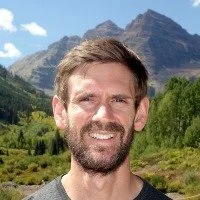
Francesco Cuzzolin: How Euro League Clubs Produce Polished Players Like Luka Doncic and What it Was Like Being the First European Performance Coach in the NBA
Phil White 23:10
Yeah, so if you use a PC use Audacity, it's a free download. If you use a Mac Book, download the free and it comes loaded on a Mac Book or an iPad GarageBand. Okay. And if I can use it do there's a little red record button at the top, any record. And if you pop up you just start again. And you just let the whole thing record, send it to Jad or whoever's doing the audio or video editing, let them do, but yeah, I don't stop takes like if I'm like, back off five seconds and I'm like, Alright, I'm re recording starting in 321 Hi and welcome back to basketball strong podcast. I'm your host Tim DeFrancesco and with me today is Francesco, blah blah blah. If you haven't listened to before, you know this is a podcast of basketball players, coaches and performance specialists to make you the best you can be on and off the court will be a co hosts Phil white here and now, without further ado, I'd like to introduce our guest for today Francesco. We met blah blah blah, when we were doing this and that. He's a legend in the game, you're going to really enjoy him. So let's jump right into it Francesco, how are you doing today. Back in we go. Cool. And if it's helpful, dude, let's do a zoom and I'll literally show you. Yeah, walk you through it, I'll share my screen, you just tell me more. I don't use a Mac so I'll do it on Audacity GarageBand is like my kids were doing GarageBand there when they were like five and seven so if I can do it. You can do it.
Tim DiFrancesco 24:40
I love it I love it. I love it, you know, perfect, that's, that's perfect baby. How was the, how was the workout.
Phil White 24:48
Yeah it was cool, so we just met this guy, rock, rock, Denver, you still ever. Yeah I'm here I'm here just once. Now it's time we should jump off in just a second jump on the air but yeah so he goes, Well,
Tim DiFrancesco 24:59
I'm on this is, this is the this is that this is the one that cuse Oh god.
Phil White 25:05
Oh, sweet. Okay, nice yeah we get that we're good yeah so he goes to our church, but I've never met him. And then yeah just when Jim and I were starting I was like, Well, I think I can get Jocko and Leif Babban eventually because I have a mutual connection but I don't know them personally and we wanted a Special Forces guy and I was like this guy rock He's a former commander he you know, are now retired and I just reached out to his wife and he does his PR and she was like, Yeah, it's cool. So yeah, we got together a few times Gemini interviewed him for two hours for our podcast and then he was like, Dude, I don't have any pedal bells right now, so they're still chintzy while my wife bought us Christmas could you, is it I know you got a ton of kettlebells and all the stuff in the home gym Is it cool if I can walk out with you a couple of times a week and I was like, fuck yeah dude. You're a legend, the course. Nice. Yeah, it was two days for him, he just started learning jujitsu from my white belt, never doing it like three weeks ago and he did a two hour workout with it, with his coach this morning so dude he was a he was beat map already man.
Tim DiFrancesco 26:11
Damn. Savage.
Phil White 26:13
Savage. He's a big boy. He's like, he's like my height but like 245 250 is a big boy, really. He's big. He's a powerful. The heaviest kettlebell I have is the 97 pounder and he was throwing that thing around like it was a toy. Okay, okay. No, I love it I love it. You're right, you have another one of these but carries and I was like, well I got, usually I use the 70 pounder on the 80 pound if it carries and he was like all right, well maybe I'll buy a couple of the bigger bells. Go ahead, man. Bring him over.
Tim DiFrancesco 26:49
Bring it. Bring it. Oh man. Yeah
Phil White 26:52
man, I don't know. Yeah, I'm like, 198 up to 202 On a good day.
Tim DiFrancesco 26:59
On a good day with it with an extra T bone in Yeah,
Phil White 27:02
we'll call it college basketball, I was like 165 of my pocket hit, I was like I Vissim but not fast.
Tim DiFrancesco 27:12
Yeah, fantastic,
Phil White 27:14
yeah, now I go
Tim DiFrancesco 27:17
right, seriously. Yeah, boy.
Francesco Cuzzolin 27:20
Hello everybody. How are you, sir.
Phil White 27:23
Good, how are you.
Francesco Cuzzolin 27:25
I'm okay. Oh, great. Yeah, I'll think I'm going I'm following, you're always on the social media. This is why we cannot met.
Tim DiFrancesco 27:39
I'm just trying to I'm just trying to be you someday man I'm just trying to keep up.
Francesco Cuzzolin 27:43
You have to you have to Yeah.
Tim DiFrancesco 27:48
Well, I'm great. I'm great yeah things. You know we're. It's been a crazy period for everybody but you know it's it there's there's somewhere in the silver linings of all this, we're gonna take some good stuff away. How
Francesco Cuzzolin 28:02
about you, great, you know, Europe now situation is getting slowly better. Yeah, I would say professional sports to start doing, you know, the things like before finally at the end of this month we should have our fans in our arena. Ah, good. They say, all of us have the same almost full capacity, they're talking about 80% So it's not bad at all for the business because you know, it's a question with tickets you know it's question of, all right, right, but I think our job so let's say that I'm happy because I was very lucky to come out from my company experience you know that there was a working research innovation director, until 2019, working for the consumer like consultant, but not anymore like a director off. And, you know, this two years, really got some troubles. Now finally is bouncing back because they were, they were able to change the business plan, not, not anymore in b2b business what a b2c you know more oriented to the car to the consumer. And, you know, university, or working with that right. Yeah. Like, that's
Tim DiFrancesco 29:24
right, that's right. No, I want to hear I want to hear all more. Yeah, I love that you're, you're, you're out there doing it. Hey, meet my, this is Phil white and Phil is my co pilot in this process and great dear friend of mine and we he and I have tag team not a bunch of different projects over the years and it's gonna be a I think it's gonna be a fun conversation with us we're really honored that you would join us today.
Francesco Cuzzolin 29:48
No, I'm really happy honor, guys, you know, anytime we get a chance to share our experience in our life, our passion is always you know, it says to improve. So you're really happy and how on earth, you know to be your guest speaker tonight.
Phil White 30:04
No, well thank you. Yeah. So, Fran said, No. The honor is all as my friend on San Francisco, we do not do a live intro or outro. So, Tim or I will do that later on so there's way less chance of mistakes. So I'm basically what we'll do is, I'm in a second, in just a second here. I'll just count us down from five to zero, and when I get to zero 10 We'll just say well thanks so much Francisco for joining us, how are you doing today and then we'll start rolling into some questions if that's okay.
Francesco Cuzzolin 30:45
Right, I'm ready to go, guys.
Phil White 30:48
Okay so we're recording audio and video so we'll be using both and. And I'm in a closet surrounded by my son's Lego set so. So we got we got Star Wars down here we have this race car we go.
Francesco Cuzzolin 31:03
I was fan on the big Star Wars fan.
Phil White 31:07
I was doing. Two more condos next to us, and my office is so loud and my wife said you have all this, you spent 15 $100 on new podcast gear and it's all over the office floor that you can't have this in the background with these guys so she was like, go to the closet, we'll move some Lego and we're doing it in the closet so I'm like alright here we go.
Francesco Cuzzolin 31:33
Right, because my goals, yes. You know, I mean, you know, because my family is interested in and my wife. Man that my son is living in Switzerland my second. My daughter is leaving me. She's leaving me right. So, my house empty, I can scream I can make party.
Tim DiFrancesco 32:00
Let's, let's do it baby, let's do it, man. All right. You fell you okay over there. Oh, here we go. He lost him snack, he's back, he's back alright
Phil White 32:15
yeah that was, uh, I was trying to move this Lego thing over and I'm so sorry about that.
Tim DiFrancesco 32:22
It's all right. Yeah.
Phil White 32:25
Yeah, so I'm recording like I said, so we'll, we'll go with it and just Francisco just like we were sitting in a pub, having a pint or a nice shot of whiskey or something or an espresso. Just three friends having a conversation, right, I love it. I love it. All right, thank you sir. All right, let's put this headphone back in and we'll do it. Alright, so coming down now 54321 We have left off.
Tim DiFrancesco 32:53
Francesco thanks so much for joining us. We are so glad to have you on here. Can I call you Cujo today.
Francesco Cuzzolin 32:59
Absolutely. So, my nickname and we be, you know, brought in all around the world so I'm so happy that you can call me. You know how are most of my friends call me cruiser now, I think neither my mom called me.
Tim DiFrancesco 33:11
Hey, cruise oh it is. Oh, thanks so much for being on again and tell us a little bit about, let's get right into it I mean tell us about how you found your way into the game of basketball was there always a passion and a love there was that something that you stumbled upon what was that like,
Francesco Cuzzolin 33:32
oh, it was a funny story because I got a friend of mine was a former player. And at the time I was still a student you know just studying. I mean, physical preparations strength and conditioning at university, I was very passionate student and a friend of mine told me Look, I quit playing, so I'm start coaching, and you know, in a very low level and a minor theme, you know, I start coaching but I have no clue. You know I know basketball but I have no clue about training how to do this kind of weird stuff like warm up stretching, can you help me, I say, Oh, for sure, why not you know, you give me a new chance, you know to start trying my studies, you know, I, I can use a, you know your experience and we can put together your experience my SPF and let's start from there. And believe me, was the lowest level in basketball league in Italy, the lowest. So, and it was a very nice experience, you know, because all of us were unexperienced and, but the great question. We were sharing any practice for us was like coaching the Lakers Yeah, so right. No, they were no players, you know, they were friends to play basketball for that for, you know like practicing like two, three or three times a week, but you know I was trying to make a plan to have a map, you know, to start preparing any single session, I took it seriously. And for there any season, I was able with my friend for three, four years, I was very young I was 2021 years old. So, you know, student right and you know we did improve the quality of our team, because our teams in our zone in our area were calling us. And you know what, when the first time in my life and professional team asked me for an interview, I was ready, because I got to like, I can say nine years of experience, where you got to do everything, you know you got to be a therapist, you got to be a team manager, you got to be a traveling manager, you got to prepare the equipment you got to work with the youth program. You got to be a performance or nutrition so, you know, I was a kind of guy always within my mind open. And when I got the chance to work professionally, I got some different ideas, you know, so it was an amazing experience, we was on one of the most successful teams in Europe at the time was a basketball, badminton basketball. So, our owner was Mr benefit, you know the clothing company Wow time, amazing, and we've been very successful. and you know what, my first coach was Mike them done
Phil White 36:25
that, that's not, that's not a bad point.
Francesco Cuzzolin 36:31
I've worked with Mike three seasons, and we want two seasons, You know, so battle, like I told you was a very successful team so Mike D'Antoni after Zelikow brother, which was a, you know, is the coaching now partisan one of the most successful basketball coaches in Europe. Gotcha. For now, but said coach, Panathinaikos winning, I don't know how many Euro leagues and. And after got the chance to work with Ventus Vanya, so is there, that I met the ashtray. Having a great successful season because we won the Europa League, and I started working with the NBA prospects, Like, Manu Ginobili for example, you know,
Tim DiFrancesco 37:14
so can you name you guys not not to interrupt but I think this is important because you brought up at Dre Messina, and I want you to, can you would it be fair to say that you know is that we I always think of him as like the Phil Jackson of of Eurobasket I mean is that, is that fair to say,
Francesco Cuzzolin 37:34
I can say that the working with that always when when you move from elementary school to university. Nah. No, believe me, believe me.
Tim DiFrancesco 37:45
He's playing, he's playing tests they're playing checkers.
Francesco Cuzzolin 37:48
Exactly. You know x ray is very demanding coach, and is a coach. That is really managing the organization. So, your own feel that you got to be ready to share information, you got to be ready to solve problems by yourself I still remind you know one conversation that beginning with that he told me, Look, if you're coming, working with me just bringing problems, I don't need you know you got to bring problem, and two or three solution, and after I can decide okay and you can choose the right one. So, this was a for me was really attending university, because the amount of quality that that was asking was at another level. This is why after was lucky because we work together in baritone. After few years, I was able to support him in his Russian experience when he was coaching seska Moscow Right, right. And so we've worked together with the Italian national team and now you know in this experience in Olympia Milano so sometime, you gotta work hard to be ready because when the call is calling you know when someone is calling you. If you're not ready, you lose the chance. And so I never, you know like throwing away one day or my job, you know, recognizing mistakes because when you work you can make mistakes, changing opinion when I used to say that what I'm doing now, or the way I'm coaching now is, is not like I was coaching last year, I can mention 10 years ago 20 years ago 30 years ago because a lot of things has changed for sure. But you know, always looking forward on things always discussing what I'm doing, criticizing my job, I say I'm the worst jobs or myself, and probably this is a, you know, this is a strength, you know, now I can realize that is a kind of strength. Sometimes I look like too professional too serious, never happy. You know, sometimes, you know like, I can say, not in a good mood, but no really no because when you look at everything okay, you're yeah you're grumpy a little bit, you know, so, but believe me, he was a kind of approach that support me a lot, because when the next call came. I was a, I was a data level.
Tim DiFrancesco 40:26
Wow, I love that. Give me, give us some insight into what you, there has to and you and I both were I'm just realizing this as your as we're talking is, we both worked for Mike Dantonio we both worked with an array, you know and and we had, you know, some some big differences between their personalities and their, you know approaches in some ways, what are some pretty impressive coaches there but just, you know, some, some very different approaches in some ways and personalities, what would that be true, from your perspective.
Francesco Cuzzolin 40:58
Absolutely, yeah, we have to be in our position, you know, when we're working in a professional stuff. You got to be able to adapt yourself, your idea to the organization needs. So we got to be a little bit of a chameleon, okay, because you got to be, you got to recognize what the organization really need from yourself. You cannot be just straight, you know, this is my macro, this is my system this is my assessment, this is the way approach to players. If you're not able to adapt to yourself, you won't succeed. So working with a coach like Mike is different than working with an array or working with. I don't know. In MBA or work with a triangle, for example, or, yeah, I've worked with the coach of black, the coast of Cleveland, and another successful coach there with blood. I work with a Turkish culture. So, culture, experience, you know, lifestyle, way of communicating, you know, change completely, so you cannot be the same person. So you're gonna have your own integrity for sure. You got to improve your knowledge, but this kind of recognizing how to help the organization. I think is a, is a strength. Okay so, you know, it's like a look at the way you're speaking with your son is not the way you're speaking with your wife, you know, so you got to be recognized. You know for sure now is the way you recognize it, which is a, let's say your responsibility in solubilization, so you got to have a rule for sure, you know, you have to have a role inside the organization, and you got to have your own responsibility so without these three aspects is very difficult to sustain.
Tim DiFrancesco 42:57
Now, I love that. I want you to put yourself in a gymnasium year you've got 50 to 100 young basketball players, they're trying to crack the code, they're trying to figure this out, how do you prepare for the game, you know, and they're saying Cujo Cujo you've worked with, Manu Ginobli you've worked with, yo go down the list and I'm gonna, I'm gonna pick your brain on the the top players that you've worked with and what you took away from them in a little bit but, what are you going to tell that young player in terms of, here's let me, let me cut through all the noise here and let's get to the point.
Francesco Cuzzolin 43:33
First of all you got to have fun. Yeah, yeah, you sacrifice yourself, if you're not passionate, if you, if you're not, you know, having fun about what you're doing. Sometimes we like coaches we forget that is important you know to have. Yeah, to have energy what you're doing, you know, first, second, taking care about details, you know, minimal guy, any single day is important any single practice any single exercise. When someone is asking me so you have worked with so many successful players all star players, you know, and, you know, and I for sure. I've learned a lot from them and just watching. Yeah, watch my day. You know what the top players didn't throw away any single minute of their practice, and they are able to enjoy the pressure, they are able to enjoy. When the coaches are, you know, you know, mugger speaking, you know, correcting them, you know, speaking louder, louder, they are doing or, I can't say offending but you know speaking straight. They cannot they cannot be touchy, but believe me, any single minute of their practice was a minute in the right direction. And this is the difference you know also without work you can have all the talent in the world, but without work smart work, hard work, you can succeed. So, I mean, this is the main thing you might have been. So this is something that I really believe is important for us like experienced coaches. We have to create, we have to give back to pay back, you know, to our professional experience to all the young generation that are coming, young generation of God, please, you know, because probably like myself, you know, at the beginning, you just think that the exercises are important you know you got to have the best exercise in though your workout you know you want to still all the single exercise for all the best coaches, it after you recognize that it's not the exercise the program you know so is no, the single piece of the puzzle buys the full, you know, puzzle is the picture that is important after you recognize is how you hang the picture, you know, so you needed a nice house, a nice wall so your picture got a sense got a value. So as you move forward. Now we are having these experience to be more, let's say, holistic, you know, to consider all these details, so I did start a like a strength conditioning coach. Now, to be honest, I'm speaking about performance. Speaking about lifestyle. Yeah, speaking about the life without style just life. Life approach, you know, I feel that I'm coaching not just training, you know, I got to spend time to support the young generation of players about understanding themselves. Understanding frustration. So, I don't know if I'm still a strength conditioning coach,
Phil White 47:05
certainly more than that, you're all of the above. Francisco talk to us a little bit about the lifestyle or as Nick Saban once said, or actually no I stole it from Jim Harbaugh Coach Harbaugh said, What about the other 22 hours of the day that you're not in the game or at the practice facility so what are some things about the whole person, and the whole life and some maybe some mistakes that younger players make in those areas that might short cut their potential.
Francesco Cuzzolin 47:36
To be honest, this is the main change in the last probably 15 years, or 10 or whatever, you know, because now we recognize that the like you say, two hours of practice of not enough, you know, to control our players performance. This is why I think now probably we are sharing life more than before. Is young player is living by himself. He, he got the family behind or not. He got a kind of degree is starting Sunday got a kind of education. So we try to understand what the reason behind the player so we train the person before then the athlete, okay, because that. If the athlete is not is not a person you know like a mature person. Sooner or later, or sooner or later. We'll come some problems, you know, when his injury when he's not playing enough was not having credits, about what he's doing. So, once again, the organization got to offer, not just training, but also something else. And he's not just the one person that can do this kind of job. So is that sensibility of the organization. Yeah, coaches got a coach, but also trainers got a coach manager got a coach, so we got to have a picture we all have a common goal. This is why very important you know knowing and having if you if you can use technology now, you know, is easier now having information about nutrition, having information about the sleeping quality, having information about your recovery capacity now technology can help you to quantify some impressions. But what has changed, really, is the straight communication with your players, you know you got to treat them, you know, men to men face to face, and it's not something that comes just because you sign a contract is something that you got to build you got to build trust with them, they got to trust you, the way you trust them. So, if it's an organization that apply. The strength of trust, you know the power of trust everything become easier is not, you know, is a duty is a job, because you're paid is not enough, because in the sport business. All of us got contract, all of our more or less paid, so it's not something that you can buy just with contract. Yeah. Sorry,
Phil White 50:29
no there's no it's lovely. Um, for our American listeners and those in parts of the world that don't understand how basketball and soccer work or even in Canada we talked to some ice hockey players recently that might start living on their own from a teenager with maybe an older brother who also plays for the same ice hockey club so it's a bit different to the American system maybe where, you know, say, Doc Novitsky you mentioned Manu, Luca Don Church Of course now may have been living away from home and out of their country Nicola yo kitch for many years before they turn 18 years old. Can you tell us a little bit about how the youth development system is different, and how the different demands on say a 15 year old Luca Don church, or a 16 year old manager nobley who may be over the other side of the world not just over, you know, in the next country over.
Francesco Cuzzolin 51:21
They are, they were very lucky. You know, because all the players that you have mentioned, went in organization that was the were ready to take care about young players with Academy with sports psychologists, with the coaches that were following him during practice, and during the free time. So, when you have let's say a youth program is education and training together is never just training is not enough, because you can lose a lot of a lot of other sources, a lot of money. If you're not able to build a real Academy. Like I said before, the principal exactly the same, you got to think about the person before then the athletes. So you recognize young players, let's say that in the future. In three, four or five years could be a good player, you don't know if he's what's coming next superstar but the good player, you know, because he got sighs got skills, physically, could be interesting so you can, let's say, project the future, you know, but it's like, it's like a plane, playing poker, you know, if you have no structure and organization that can really take care about all these details. Nobody can be sure that this player will succeed. So, all the players that you have mentioned, went in high quality organization in Europe, look at Dodge, Real Madrid, Manu Ginobili went in, in a small organization Italy, and after went to Virtus Milania at the time was one of the best organization in, in, in Italy, by convention for example and Raburn Yani that I followed directly, he was embarrassed. Yeah. So they started being professional, when they were like, 1516, years old, but for the family. For the agent for the organization for the organization, they went in the right place. And they, they, they were able to be supportive to succeed. After three four or five years.
Phil White 53:31
You know I love that because people don't understand like I saw Ryan Giggs play with for England. Unfortunately he switched to Wales. He had one parent or grandparent that was English and one Welsh, and when he was barely 15 And he was playing under seven teams for the national team for England, again he switched to Wales. Two years later, and 17 year olds could do nothing with him. He was completely unstoppable he was faster his ball skills. And so I think when Luca came in, people said, he's, he can't jump out of the gym, even though he you know he's a decent athlete right, he can't back squat the house, and he's too slow because he doesn't have Russell Westbrook or John Wall, end to end speed. He's never going to succeed in the NBA, he's fine in Europe, but what did you see in a player like that by the time they were 1617 or a young man who or a young Bhagnani, that people in America may not see when they what they look at drafting draft qualities or succeed in the NBA qualities maybe is quite different from what a professional like you see
Francesco Cuzzolin 54:36
you know what's happened because it is a process. So, if they are talented, and they sign for a good organization. When they are let's say 17 years old, they start practicing with professional athletes, so you can easily understand in a day by day, how far they are to be professional. So, it's something that in in America sports can happen. Okay, so you're always, you know, playing and practicing with people to your own age. But when, for example, Luca Don says was 17 years old, he was practicing with Real Madrid, but the first thing, because we the use 16 was on legal. Yeah, you know, the same one but again he was 17 years old, he was practicing with the Euroleague team. In Italy, with real, you know, players or players that were playing Europe from ABA from other teams. So it's a process. Okay. Without disconnections, and you are following the player for years, so players are not moving from a team from one organization to another. So is a long term planning. So it's a great responsibility. Believe me, if you're working a youth, professional program in Europe is like working for the sport pro team, because the amount of investment, the amount of, you know, people working around the staff, you know, the amount of players because you got to have, you know, a certain number of players, not to be sure that every year, you got to three players that are coming to the next level. In Benetton, you know, we have the like a Slovenian player Bostian NACA want to use them every year or two years we have one, two players, drafted a one two players playing Europe at the highest level, and we were, let's say, following players from all over the world, from South America from Europe, so our scouts were working all over the world so we were doing exactly what the NBA is doing now, but 30 years ago. Well, yeah, go ahead. No, no, no, no. I said, Now NBA is that, you know, is watching all over the world. Think about right from that, from anywhere from two, but 30 years ago 20 years ago, it was different.
Phil White 57:07
Now I love it and I come from, you know, I played very low level and only made it to JV basketball what was NTIA but now division two and coach, rocky Lamar has ever said, He averaged 22 wins a year for 35 years. So, one of the best coaches in college basketball history, but I never played a game for him because they already made a JV but yeah playing rugby and soccer growing up the same you know, our brother played for Southampton FCS Academy for a couple of years, and as a 10 year old, the level of coaching and whole person development, you know, human development. Life development at that age was better than I've seen at the high level college level at much bigger schools the mind like KDU, University of Missouri, in some ways when he was 10. It's pretty amazing, like people don't understand the system is, you know the people and the caring coaches like you not that there aren't those like Tim and like Coach Lamar and amazing folks I've met all levels of sport in the US, because there are, But just the system in the academy, and you start to see now in soccer and rugby here but you know Tim is very seems very different in basketball, maybe.
Tim DiFrancesco 58:19
Yeah, no, I love that and those points are so good by both you guys, the thing that's interesting, fascinating to me is, yes, you get this Luca that comes out of there you get this manual that comes out of there, you get Andrea that, you know, comes out of those great systems, but you also have interestingly you also have people that were around those great systems, but they didn't have this openness and looking for the resources around them that maybe they didn't, you know, they didn't take advantage of those systems I mean I think about young players and and looking and saying well I don't have a great high school team or I don't have a great, you know coach and my coach is terrible and this and that and the, you know, having those things is critical, and can be very helpful but you still have to be open to receiving and looking at those resources that are all around you and I think that's a, that's a really key point that I found when you know working with the Palghat saws and the Cobis and those players that, you know, there was a difference between and Steve Nash and those players were, they were just always looking at every workplace where they could find and everything around them was a potential resource, and they were always looking at it that way, and it wasn't, you know, something that there was a magic wand that somebody put down on them that said you're going to be the professional guy. And, you know, the other guy's not going to make it, it's just that day, both, you know those people were in a similar environment they were more open to looking at those resources and that doubling down on them when they found them, and I just found that always fascinating to look at I hear you talking about it now of working with those types of players of just being open with that.
Francesco Cuzzolin 1:00:01
Yeah, I think now communication is easier. So if you're trying to do your best, sooner or later you're going to have the chance you know to show yourself the highest level. So now, in my opinion, it is easier because there are Yeah, you know, so many teams are trying to, to pick the right players international plays a rules are different before. In Europe we had like European players and American players you know now, there are different rules, different opportunities. So, if I gotta say, Sunday to young players, just enjoy the game. Do your best, Yeah, yeah as possible and as sooner or later you want to have your chance, but, you know, don't think about, you know, possibility, think I used to say, think big, okay when you start right practicing or playing a sport, think big, think about your best team in town, that's the thing about your best team in the region where you live and after your national team and after start thinking about the European team or MBA whatever, think big. It's the kind of energy or momentum that you can bring with yourself every day. And, for God is the same, you know,
Tim DiFrancesco 1:01:13
same. Yeah, no, I love that something you said earlier, really, kind of, just, just stuck with me and I want you to really double click on it and expand because, you know, you talked about the idea of it's it's not just a bunch of exercises that make it's not the best exercises, it's the program. And I love that because in today's world, like you said, we have so many ways to communicate but also get a, an avenue into what other people are doing so you can see what people are posting exercises and and you can end up with, I think this, It can be a slippery slope because you can end up saying well I'm going to try. I saw this guy post this exercise over there I'm going to try this one tomorrow and I'm gonna, and it's just this mishmash of of exercise it's it's not a program, can you talk about that.
Francesco Cuzzolin 1:02:01
Absolutely. This is something that I usually share with my students at university, you know, from day first start thinking about your training method, your personal 3d method, what you really believe that that is worth having. And it's not a matter that you build the beginning, so the beginning your method is not complete is not clear. Now, it's foggy a little bit, but you start putting pieces together, you know, you can learn for from everybody, you can steal from everybody. But if all the pieces are in the right or not in the right order, it doesn't work. And as you work for your methods. The second step, try to apply your method to see if it's as simple as the rolling progress every new idea, every new mistake. Every new advice, whatever, start, you know, making small adjustment. And this kind of process, never stopped. And this is what I'm doing, you know, at the beginning. Probably I got to, like, two, three assessments, not specific for sure, you know, coming from other sports, the beginning, we were stealing from track and field you remember new rite aid. You know when I started late 80s And now we are very specific, we have a lot of information we have a training load management we have a injury reduction protocol so we have prayer, meditation, we have a lot of information, but it's the foggy. Yeah, you try on the field on the floor. If he's effective or not. He brought some results or just theory, just let me know, because there are so many coaches that when they speak about their job, theoretically, their genius. When you see them practicing, or working with their players. A little bit of confusion. Why, once again you got to be able to adapt all the information the knowledge and experience that you have on that specific moment of your life for that specific theme for that specific player. This is the reason why I've challenged myself in so many sports, because you know after so many years in the basketball world. It looks like it you know what I feel myself like a kind of expert now. Start from the bottom, you know, start from scratch in a brand new sport. I did this started working with the professional swimmers, I start working with Moto GP drivers so just finish my experience with Andrea Dovizioso that was a running champ for three years in a row in a Moto GP, work with the skier site, why people are asking me, why are working with so many sports are you wasting time, or you have free time. No, I was just trying to challenge myself. When I felt myself in that comfort zone. I cannot breathe, you know, I say, No, no, I gotta start the game you know I gotta find a new goal. And you know what are many new exercises, new ideas, new approaches, new methods I've learned from other environments from other disciplines from other sports from other coaches, you know, martial arts, boxing, you know, gymnastic whatever one beer, what piece of them can be helpful for your daily job.
Phil White 1:05:40
What's an example of something, a principal or a method that you've learned from another sport that you've brought into basketball and how has it helped your, your basketball players, for example now, many examples but maybe pick one or two. Oh,
Francesco Cuzzolin 1:05:56
I just think, you know, I can't like athlete I was a martial arts athlete, no I'm a judo master black belt second and I did, professional,
Phil White 1:06:05
but try not to annoy you then.
Francesco Cuzzolin 1:06:10
So, so basketball was kind of passion for me you know I was an amateur player, not a professional player for sure. So now, is a is fancy not to speak about calisthenics. I did study gymnastic liking structure. So bodyweight exercises, how to use your body your leverages in the proper way. So what the hell is calisthenic is nothing is a new trend is a fashion is now you're smart because you're not, you're not using the equipment any anymore. No, I'm using any equipment in the market. I'm using any exercise that my body can do. Because my experience and knowledge, depending from the goal that I have with my athletes gonna choose the proper one. I don't I don't like when people say you know what, I'm more a functional coach, you know what, more traditional you know I'm a power lifter. I'm everything. Yeah, challenge me want to talk about Olympic lifting IV study. Okay, I got still use that in my hands from
Phil White 1:07:26
my, my kettlebell workout with my Navy SEAL commander.
Francesco Cuzzolin 1:07:30
Okay, um, yeah.
Phil White 1:07:33
Oh, you know the comp out guys, I love those guys Maya Angelou, yeah, that exercise is the leading expert in the world is Italian, so in clubhouse.
Francesco Cuzzolin 1:07:46
But I think about you know, I'm accrued as a coach for sure, and my son was a professional rugby player so I like to train myself and I like to train my athletes, my kids differently, you know. So, doesn't exist once again, One exercise better than another one, but just successful training methods. Okay, training methods that broad results. It's the method one method, exactly one method that was successful last year, probably now is won't be successful anymore. So, evina method is having something that is changing is like a baby now is growing every year. Every year is leaving something adding something. This is what I consider a process.
Tim DiFrancesco 1:08:41
And that's no that's, that's so you know I think there's so many people like you point out that are just married to one method, they are not willing to ever adapt to ever change to ever, you know, not only take evidence that we get over time through research, but also take what we find in the trenches and I have to imagine in your experiences, there's times where, you know, you, you even question, at times, both your experience and or you question research based on your experience and it's, you have to be able to do both right.
Francesco Cuzzolin 1:09:17
Absolutely. you know, I have a PhD so I like to be evidence based, you know, but once again, science research is a starting point is starting to like be just nothing that's
Tim DiFrancesco 1:09:29
really good. That's really good. I love how you said that point. Yeah, it's a starting point.
Francesco Cuzzolin 1:09:36
Yeah, if you're not able to use a research in your situation in your environment, probably, you know, won't be helpful for you. So once again, try to be an expert, you interesting about otherwise.
Phil White 1:09:52
Yeah, yeah, Right, and I, and that's why I love what lumea has done you know with his partner with the almost like cartoon drawings and the infographics and the takeaways from studies because I just got the book you know his endurance book that he did the version of with all that. And I showed it to my, my, another collaborator and he'd never seen this guy on Twitter or Instagram or wherever, and he's just, his mind is blown and he's an exercise research but you know, exercise physiologist that amazing major university and he said, I need to hire these people to make sense of my research for the Layperson for the athlete and so right yeah those guys you know, they have their quick takeaways, they can put it into a tweet, they can put it in an email, and it's, it's looks kind of cartoony but it's genius it's just genius because then if no one can understand, then like you say they can't apply, which means they can't test and evolve their method, and make a positive difference for their athlete.
Francesco Cuzzolin 1:10:57
Yeah, yeah, who's okay yeah go ahead. No, no, just say that simple communication is not easy, sometimes less. And now I'm trying all myself from last year, I did. I did start working for the Euroleague player Association, and I'm trying now to see how, let's say, scientific communication has to be done for players. And you got to, you know, express some. Yeah, me, me, and I'm learning a lot to St. Thomas scientific topics.
Tim DiFrancesco 1:11:33
Now I look, it's like you said, it's, it's an evolving process we're all learning with it all together. Can you, Can you talk a little bit about the time of your career where you transitioned to the Toronto Raptors. What, what that was like being exposed to the NBA game having had incredibly rich experiences in pro basketball but in a different environment, you know, before that, what was, what was that like what did you experience there.
Francesco Cuzzolin 1:12:03
It was a, an amazing life experience for my, for myself or my family first and second I made, I met the great people. I'm still in touch with my former assistant now had the strength conditioning only
Tim DiFrancesco 1:12:19
Chinese Johnny Lee baby Johnny Lee only brought me
Francesco Cuzzolin 1:12:23
the champions hat, we break down in game two veiny Venice with his family. That really is an
Tim DiFrancesco 1:12:34
absolute knockout
Phil White 1:12:38
not jealous I want, we want to come see you. When
Francesco Cuzzolin 1:12:44
you have to you know, come to see me, then
Phil White 1:12:46
yeah and you come to Colorado and you come to Boston to see. Yeah, why not,
Francesco Cuzzolin 1:12:52
why not. Yeah, I was telling you, great people great person. Yeah, for sure. I was the first European, you know coming in MBA, and at that time was a European let's say organization, a lot of players from Europe. I have the okay my, Let's say I had the Chris Bosh the Martha Rosen, but he had also a lot of European players like Manuel Calderon, like, either to call glue like Amrabat and Jani, like yeah Roshan is a witch. So, let's say it wasn't difficult for me to come up with some, let's say, I cannot say new ideas, you know, with some ideas from Europe, because all the European players were already on the same page, and not the kind of guy that say, this is the this is the way you know, I was talking with the players, like, you know, I like to make them understand that the probably this is a better way of working, of practicing of of managing is such a crazy scandal of the games. So it was a very, very, you know, great experiencer, right. The two seasons. There was a lockdown, so I couldn't wait to get the lockdown so I decided to come back in Europe, my son. I got some say, family issues because my son decide to come back in, in Europe to attend the school of medicine now, my son is a doctor specializes in orthopedic and traumatology sport traumatology, so he's working as we serve. Wow. So, I couldn't wait six months. Yeah, I know the lockdown. I got the chance to coming in, in Europe, with, with some European teams and after I signed with the Italian Basketball Federation. So, once again, NBA is greater, right. You gotta sacrifice yourself a lot, because you cannot, you have not a lot of time working with players you know you can just say, adapt your ideas to the situation say, right, try your best. So to be honest that Europe I could work more. I could be more happy about my position inside the organization.
Tim DiFrancesco 1:15:21
Yeah so
Francesco Cuzzolin 1:15:23
one day I say this is the life you want to do from now on, or
Tim DiFrancesco 1:15:28
you go you got you go with your heart right you go with your gut in your heart.
Francesco Cuzzolin 1:15:32
I love my job too much I like to stress myself. I like to bring something side organization. So I was looking for a different position, so I enjoy so much, I MBA experience by couldn't last more than, I don't know 234 years. Yeah, because what I'm doing now in this side of the word. It's for myself, for my personality, you know, is more or less say, I don't know, I got more patience, you know, so yeah
Tim DiFrancesco 1:16:09
that's that's what gives you. You don't have to apologize about that.
Francesco Cuzzolin 1:16:14
Say that. Yeah,
Tim DiFrancesco 1:16:17
wow, wow. Right, they
Francesco Cuzzolin 1:16:20
have the word that says yes, yes is nice but hey is also okay yeah absolutely. Yeah,
Phil White 1:16:27
Tim, tell us a little bit about how that jives with your own transition experience from NBA to moving halfway across the country and starting TD athletes edge and, you know, not, not lesser challenges but in some ways greater challenges and new ways to evolve as and as Kusa just said,
Tim DiFrancesco 1:16:47
Well, I think I went through a similar process I've always I just have to, you know, I've always admired that about you Cujo is, you know it's it's just oozing out of you that you know you're chasing the thing that really deeply gives you, you know, satisfaction, I say it gives you goosebumps and, you know, that's a, that's, that's a hard thing to find in in a person and and some people, they try to push that back because they say no, this is what's you know best for on paper or best for you know everybody else around me, but I went through a similar thing, I think you know with the Lakers and my experience, they're like, like anybody would expect as a honeymoon period and you're soaking up this new great environment, but you know I think eventually there was just a bigger calling for me to look at what I could do to blow oxygen into TD athletes edge and what we could do here and then, but use that experience and use that, that, you know, rich environment that you get a chance to be in. And, and not feel like, you know, this is it. And and I think that that's, that was important for me and I had to do the same as you, you know, follow my gut follow my heart. And that's, you know, then that's one of the great decisions that, you know, I've been able to say I made correctly and. And I'm really glad that I was able to do that and I hear and see and you as you talk about it the same from your end. What, um, yeah, what, what, what were one of the or some, what were some of the things as you, let's say you you brought up just there you know that you had a chance to talk, you know, at least, expose or bring an idea to the NBA environment or bring an idea to an NBA team of players that maybe they weren't looking at it from the angle you had but it was something that you had been doing for, for you know forever in your previous environments.
Francesco Cuzzolin 1:18:44
Very simple thing. So once again, I don't know if it's not clear enough about the armor, a bath of guy you know, I like ya see Sunday in NBA, you got so many, you know, crazy schedule games traveling, and you live day by day, and it's something that I don't like I say, okay, I can use Google Maps to go from point A to point B. And for me it's a kind of an idea before starting, and after if I find any kind of traffic or some problems. On my way I can change idea, but Without Id I just step outside your door I don't know where to drive, you know where to go, right. So, the idea that I brought from Europe that was okay, let's start with some basic assessment. Let's start building some workouts where we decide which are the proper exercise or not, okay just avoiding some overload enjoins range of motion, blah blah blah. So I like to give a sense to what I'm doing. Also, if I have no time. If my strength workout gotta last 20 minutes because there is no time. If other recovery procedures take much more time than training some time, so I like to, to track anything I'm doing, and continuously try to improve it. Yeah, so this is why we John we were working, you know, on mapping all the workouts, trying to create a tailor made program for any single players, so probably our discussions, and our hours of meetings with the, with John was my assistant, or with all the other trainers, like, two, three hours of meeting for 30 minutes a workout, you know, a lot of discussion. Wow. Yeah, he cannot be last minute the teacher, you know, right, got the things and the seat because there is no time you know all these rushing you know, like I'm, you know, always late always being late. No no no no, try to build a simple procedure and yeah I do probably, you know, it takes time for sure, but you got also the possibility to convince players in a better way, and I get very, let's say gratifications you know about talking about your personal nutrition, you know your personal training program your personnel recovering procedure, small details, you know, and, you know, probably when you start at the beginning with the new ideas. The organization is not embracing, you know 100% of what you're saying. But no problem at all. Let's start with 10% Yeah, we'd be whining a monster will be 25 So at the end of the season you got 30 It means that the next season you're gonna start with 35 Or you are that your ideas applied. So, It's a huge improvement. We never stop. And if you're an MBA, of your own small organization, the approach is exactly the same.
Tim DiFrancesco 1:22:03
That's pretty neat to think about I mean what I hear you talking about there is, you know, the idea of adding system and methods and then tracking it we're you know what I hear is, like, now the, the term athlete monitoring is, is everybody is doing athlete monitoring and all this stuff but, you know, it, it was not being, you know, discussed at that time, you know, it was not, you know, in, in those, and And so bringing that into, and then you know looking at especially in the league like the NBA where it's, um, you know, a space that is never going away is pretty neat to think about you being one of the pioneers there on that front, you talked a little bit about recovery there and how you, you know, get great passion and gratification out of talking with athletes and guiding them in that space, I get so many questions about, you know, I don't have any fancy equipment I might not have some of the Norma tech boots or I don't have a, you know, a cryo chamber or I don't but how do I recover better can you talk a little bit about some, you know, low cost big low hanging fruit ways of, of getting better recovery and taking advantage of it.
Francesco Cuzzolin 1:23:14
The two main ingredients are not equipment, but our nutrition and sleeping. Okay, so being able to, I don't know I don't know that you, you're using our range or some other products to quantify the quality of yours, right, it is just, it's just the starting point. The day, there are some procedure you can do immediately after the game. Some others you can do the day after the game, but in any case, there is no just one exercise, I don't know, using myofascial release or using cold pool, cold water immersion whatever. It depends, you know you got to try on yourself how your body's reacting that specific procedure, you know, that specific treatment. So, I like the quite big, a proper adjustment, you know, I can, I can speak about the compressive garment. I can speak about IFR intra infrared technology. I can speak about the, let's say myofascial release or deeper massage tissues, you know, probably, something is working for two, three players or something as for other players. So it's like training, you got to find your way, you know, yeah, and now we can quantify the effect. No, you can talk about dancer you can ask you you can monitor for example the last five years, the the user experience monitoring HRV, for example. Now, technology could be very, let's say, useful, you know, to monitor HRV in a proper way to understand how is the recovered is some procedure was working well, you know, so we got the information, but that doesn't exist that one treatment that fits all. You can find your own way so I love having different different tools is important, but try to involve your players in the process. Okay, yeah,
Tim DiFrancesco 1:25:22
yeah, yeah. That's so true and and and I mean I think what you bring up is this idea of, it's, it has to be an individualized process. There's not one size fits all of recovery for every person, the thing, you know somebody framed this for me in a way that just really blew my mind which was, look, everybody's all about these ice pads and cryo therapy and all this stuff but if you have an individual who looks at that as a negative as a stress, are you really helping them to recover, probably not, you know, and so for some people that might work, is what your point is if, how do you talk to players now today about giving them some useful, easy to use tips on on finding ways to sleep better,
Francesco Cuzzolin 1:26:14
basic things. I like to to start talking with them about their nutritional habits, but not just the de quality, but also the timeline. Okay. So, most of the players make the main mistakes that they're eating Headingley after game, you know, and we have seen for example that insulin production, and the cortisol levels could be very high during the night, after the game for example, if you have the cortisol level, high for game reason, and your meal after the game is wrong completely one wrong, you want sleep. So, we have seen the justa, giving them the proper the proper advices about eating properly, to improve the quality of sleeping, they can have some results. So, we used to make a food recorder, to see how they can produce, like, you know, trying to theoretically, to map the glycemic index during the day. Okay, to see if the cortisol level is high during the morning. Within the first phase of the day or during the afternoon as to be low during evening, because these kinds of other way that can facilitate the sleeping quality. So we use some tools to track nutrition to track training, to see how they, they can, let's say, arrive to their sleeping time. That's because most of them, play with. I don't know with with the PlayStation, right or the start studying or working with a computer at night after practicing. So that's one of the main mistakes that for sure are creating negative habits for increasing sleeping quality. So, talking with the players so nutrition training time it's possible, not too late. Okay, and, and, and, you know, changing habits you know with a smartphone or tablet, computer, you realize so it's position to the to life during the night is one of the main mistakes for players.
Tim DiFrancesco 1:28:32
And guess what, like you said that none of those costs you anything are our big fancy equipment, and and, no, that's, that's, that's, and that's the thing that I try to guide people toward first and foremost is the low hanging fruit, you know what are what are the things that are right at your fingertips that you probably don't have to pay anything for, it's just a matter of developing the good habit of understanding Hey guys, don't set your workout time right before you're going to go to bed. Don't eat a big meal full of sugars and, you know, processed foods and and you know, deep fried, this that and the other thing, and and and expect your body to be able to wind down and recover, and, and so I love that. I have one question for you before we start to wind this down because this has been absolutely amazing and we're going to need to do a part two, you have a on your Twitter account. You have a statement that says training to be not to have can you tell, tell us about what that is.
Francesco Cuzzolin 1:29:38
Wow, you have any intelligence, that the that is hidden. Usually,
Tim DiFrancesco 1:29:49
this is what this is what we can follow right here.
Francesco Cuzzolin 1:29:52
Okay, okay, I like it I love it. Okay, three two B is a project is a project that I build for companies, because, uh, you know, I happen some time that the management or HR people are coming asking you about your sport experience, you know, companies are, are some time trying to steal ideas from the, from sports, how to build a team out manage stressful moments and so on. So, I was starting you know about these, these, these requests from friends that are managing small companies around the NSA is okay let's start talking about my experience. For the first time without talking with not talking about exercises, training methods. And I will start thinking about, you know, what training was for, for me, like athlete. For me, like Coach, you know, and, and I found so many things so important. And they were so far away from results, because the you know, most of the people most of the, of the people think that if you're not getting results you're not winning the gold medal. You're not the successful athletes, or if you're not winning a game, or if you're not showing up yourself. And after I've seen that the, you know, talking with different athletes. For example, Paralympic athletes. Okay, yeah, you speak with them. And many of them were normal people athletes and after an accident and after a disease, they found themselves in the new life, and they are still speaking about positivity of the new life, positivity of the new sport experience, no match results. And for them training is a way of life. Wow, far away from results. So this is why I was start studying, which is the meaning of training. Training is not just training for a sport reasons, but training means educating yourself. Training means improving yourself. Nothing to see with a sport activity. So I did start building, you know, a presentation that I did for companies, where for the first time I was talking about failure. I was talking about injuries. All the say negative aspects of being an athlete of managing athletes like a coach, usually coaches, speaking about championships, gold medals, you know, NBA titles win percentages. They look at They look happy. You know what, I found people that were heavier than successful athletes, just because they were able to leave the process. So I was thinking about the title, and say, Okay, this is a way of training to be not to have.
Tim DiFrancesco 1:33:23
Wow. That needs to be on a t shirt that needs to be on a t shirt, first of all, and
Phil White 1:33:31
that needs to be a book is the book that we all three write a version for the American market to,
Francesco Cuzzolin 1:33:37
let's say, yeah I want and I would be, you know, very happy. Yes sir, with my hands. I'm gonna present you, I got an English presentation because I didn't in English already, not a lot I did I also, you know, Ted, I made a TED talk, but importantly is in Italian, talking about the training to be approach. Wow. And if one night. Yeah, no, we want, we want to got the one hour. Yeah, I will be your
Phil White 1:34:10
part. I would pay you whatever I have in my wallet right now and more.
Francesco Cuzzolin 1:34:20
As to share. Yes Ah, they we got to pay for anything we have done we have done and we have had in our life so far.
Phil White 1:34:29
So maybe you say you have, you have to earn it.
Tim DiFrancesco 1:34:32
Yeah, that's what that's what it is though and I think that this is where, you know we've all worked with people that strive so desperately and they clutch to the the outcome. The not and they're just totally ignoring the process around them, and they've lost sight of of everything and and all the important stuff is already there, it's it's it's all right there they're what's about to happen or what they want to happen and this is, you know, young basketball players or basketball coaches get wrapped up in like you said these outcomes and, you know, the the success that they want or they, they are, that's the whole reason for working so hard is to make sure that they have that moment. And you know what's really interesting if you hear Kevin Durant talk about what it was like when he got his hands on the MVP trophy of the finals, what it was like when he, he held the Larry O'Brien and you know the the trophy and won those championships with Golden State. And he said he's like, Yeah, I mean, that's, you know that what I realized at that moment is that wasn't the point. The point is for me to play this beautiful game. Yeah, and and and so I think that's really scary for a lot of people I think that's like wait a minute. Is he is he not a competitor. No, you can be a competitor, but understand that it's the process that is the beauty and and the gold is in the process that that struck me I saw that and I said I have to ask, and understand that more because that is a special, special token thank you for sharing that.
Francesco Cuzzolin 1:36:16
Oh, Thank you for asking you know it's something once again is behind the shame you know, is not something that you really like to speak about you, to be honest you are the first people, the first person that asked me about that kind of project outside Italy. So you're kind of awkward.
Tim DiFrancesco 1:36:37
Hey, the basketball strong podcast it's it's not, it's more than basketball baby it's more than basketball
Phil White 1:36:43
life, its life. Um, yeah, going back to coach dn Tony obviously he has said that this was a big learning experience to learn from you and, and the others as you said in the team setup and the organization. But what was something you learned from Coach Dan Tony that has stuck with you.
Francesco Cuzzolin 1:37:05
Enjoying basketball. Mike is is very positive person, Always with a smile in his face. He doesn't mean that he's not taking care about details, but he loves the game so much that when you are spending time with him in the gym is never boring, you know, it's always a excitement you know it's always a energy to give, you know. So, I've never seen once, I never spent one second of my time with my career, you know, not, not taking care about each other. Okay, so this is a, you know, is a personal characteristic. And I met him I was funny because we found that together after longer or the Olympics in Beijing. Okay, so he was assistant coach of coach skate with USA team. And at that time I was coaching the Russian national team, you know, I was quoting ak 47 and all the other ah yeah yeah yeah. And we made an opening ceremony together. A we made pictures in the middle of the stadium in Beijing, after long. Think about, wow 10 years. We met together, you know, we moved in Italy to opening ceremony in China. Two different national teams, USA, Russia,
Tim DiFrancesco 1:38:42
oh my gosh house unusual.
Phil White 1:38:44
Yeah, describe that experience to us a little bit. Why did you feel, what did you see what was it like to be with old friends again.
Francesco Cuzzolin 1:38:53
Now He's amazing. He's amazing because basketball is a family, you know. Yeah. Still, I got so many friends. Okay, team, or people that I met, from, from my MBA experience I'm still in touch, you know, Dan Shapiro from clippers. Jesse right now he's no work anymore for 76 hours. Yep, a guy from Chicago from before I'm from Miami, and so many, you know, really good people, open mind, ready to share their information, speaks. Speaking frankly and seriously and professionally. You know, so. Basketball is a family really, we are living in a very say different professional world, you know, so, as it travels so much in my life and my career. And still, you know, I mean that's I got the network you know people all over the world, and I, we are still in touch, we are still sharing information, it's a, you know, it's something that is filling up my days without any kind of effort you know and this is why I'm enjoying my life my professional life so much. Yeah.
Tim DiFrancesco 1:40:18
It's so it's such a it's such a again I've always admired, everything that you're about Cujo and I, I, man, I just am. I'm gonna, I'm gonna be going back on this conversation to pull out so many pieces that you brought to the table, so I have to ask as we kind of come to a close, I have to ask what it means to you to be basketball strong, so this is the basketball strong podcast, and what does that mean to you and here's, here's how you go anywhere with this you could go into philosophy into emotion you could go into physical you could go into anything, go anywhere with this
Francesco Cuzzolin 1:40:56
for me. Okay, I'm going straight to the point, you know just from Yes, from my feelings, okay. Be strong, could be supporting your ideas. It means that anytime that you're doing something, try to support what you're doing with some knowledge and experience, you know, strong in, in a good moment, a strong in a bad moment. Okay, so you know when you lose a game. Some people start shaking their head. You got to be able to keep your head up. When we are making mistakes, recognize your mistakes, there's another way to be strong to be strong, You got to be humble. You cannot be strong if you're not humble, in my opinion. And, you know, just bring an experience from from Dollar sports, the strongest fighters are people that are able not to hide, but to control their emotion. Sometimes players, you know, try to transfer their emotion you know, right positive wave in a negative way. And we are close to them, you know, and if you are absorbing all these negative or positive emotion you, the risk is having emotions or not you're so in your position. In my position to be strong means being able to control to manage emotions, and to give the emotions that could be useful for players, coaches organization when working, you know, when I'm stepping inside the gym. I'm a professional coach. Okay, so I try to do my job in the best way is not just quite some once again is not just a question of exercises. I give for granted that at certain levels, we have the same amount of knowledge. So we did study. We are looking all over the world to find the new ideas, the proper training process so on certain level, knowledge is more or less the same. What makes the difference is being strong. So the way you're able to manage any single situation, to bring results to your organization. That's it. You've got to train yourself. And I did it, you know, at the beginning of my career, I was emotionally off control. And I was bringing emotion at home. Yeah, it was tiny and all evina Bad bad mood with my wife, with my kids. Yeah, because, you know, professional sports is very is very challenging, you know, so you're leaving a huge amount of motion, you lose a game you lose a player for an injury, and you're gonna have an organization start pointing you all biting each other. So, if you're not strong, is not easy to be professional. Emotional Achillea,
Phil White 1:44:19
and I love what you said about that relates back to what we were talking about the other 20 to 23 hours of the day, make sure that everything like you phrase I took from you earlier was you are doing the little things the small things the basics right, to make sure you elevate your aims and you support your goals that you're not behaving in a way off the court, bad sleep, five hours in a day on social media, substance abuse, as a young basketball player or coach that will in fact undermine your goals, or take you somewhere where you have a stated aim or goal here, but yet you are taking yourself spiritually, physically, mentally, in completely the opposite way because at a certain point, it cannot be both right. If it's too much or taking drugs, if it's, I'm not sleeping well, if it's eating junk food and drinking Coke, all the time you are going this way, right, when you say, I want to be over here to the left. What do you think about that because Oh,
Francesco Cuzzolin 1:45:26
no. You made a good point. You mean, all these things are way too suppressing yourself, you know. So, you can find your different different habits wrong habits, you're like you mentioned are drinking sugar or drink alcohol, or, or, you know, sleeping, just a small amount of hours and being out there all the nights, so it's the same for players the same of for coaches for organization people, you know the way you're able to stay in balance with yourself, you know, if you're able to communicate and to show yourself, you know, in a proper way. This is a big advantage. Yeah. Is it something that you learn, you know, is a process you have a duel, or you're you are making yourself and just being open to recognize these kind of problems can help you. And, and your help, can help the organization. You have probably seen how many players are performing well in certain organizations, just the move in another one. Their performance dropped down like like crazy, or the opposite, you know, players, was unable to perform in an organization, and after they found, you know they are talking about. Okay. Here everything is clear now people are professional when I need something they are available, you know, they are just bringing positive samples, how they are treated, not just train, the way they are treated. Okay, so is it training, the only thing that we care about is the main one. I know. Probably yes. Probably not. We can close, We cannot close our mind, our eyes to the old world that is around us. Yeah. Okay, so in my opinion. That's the real meaning of being strong. This is why people with a positive approach can survive can be successful a certain level, because they
Tim DiFrancesco 1:47:42
have a strong baby. That is basketball strong I mean, I love that the the thing that is, I can't, I can't let let this go because you know what you talked about there was your own ability to grow within something that a lot of people don't see as a skill that can tend to develop you say well I'm just very emotional, you know it is what it is, this is who I am. But as you said you can practice and work at anything. And to me that is such a just foundational component to what I think of when I think of what it means to be basketball strong, The heat of the moment is, is hot and and and in our profession or in on the court when everybody's watching you and, and you're the pressure is on your ability to you know practice what it's like to be composed in those instances and to respond to those instances, you know, that's, That's one of the founding components of being basketball strong, I couldn't have said it better myself. I, you know, I appreciate you so much Caruso for making the time tonight and and and making this happen. So can you tell people where they can find you and, and where they can learn from so many of the things that you've brought to the table here,
Francesco Cuzzolin 1:48:56
know the reality let's say social guy, because, uh, you know, they can find me on Instagram and Twitter and you know on the oldest social main LSA platforms. I'm, to be honest, I still like to make a live events. Yeah, so, so I'm not posting a lot of videos or not doing a lot of conferences, you know, I have a podcast that is performance quest where I'm doing more or less what we have done. Yeah, right. You know just asking to friends and people from all over the world I made one with Akita media. I made with only. I made one with Google with Dan Shapiro, you know, a lot of people from, from the states from Europe, you know, crossing culture, crossing ideas from sports is what I'm doing the name is a performance quest, they can find it in in YouTube channel, or, you know, Spotify, got it, and you know and hopefully I can, I can still travel in the future like having the past coming in, in some cleaning seminars, because you know, human touch, human contact is something different, you know, place hopefully future. We want to have our life back, and then we can have some chances. Once again, to share our knowledge, but to speak a lot about our life.
Tim DiFrancesco 1:50:33
Well, I like to, hopefully, that's it, that's it, I look.
Phil White 1:50:41
Yeah, you come to Colorado right now and you bring me some friend and then we'll go see Tim in Boston.
Tim DiFrancesco 1:50:47
Well, I'll take it
Phil White 1:50:50
out. Yeah, you know, you know,
Tim DiFrancesco 1:50:52
bad cuz oh this is beautiful, we're gonna do round two, so I get some rest and be ready all right.
Francesco Cuzzolin 1:50:59
Anytime friends anytime just make me a call.
Phil White 1:51:03
Thank you so much. All the best. I appreciate you guys, Tim, do you want to hang on.
Tim DiFrancesco 1:51:09
Yep. Oh hang on Cujo have a great thank you.
Phil White 1:51:13
You're a legend, we really appreciate you.
Tim DiFrancesco 1:51:15
I, that was so that was so amazing, I mean, oh my god, write
Phil White 1:51:20
a five, five stars. Oh thank you, thank you guys. Goosebumps. Goosebumps.
Francesco Cuzzolin 1:51:28
I'm a little bit tired because it's a past midnight
Phil White 1:51:33
is a long day. Yeah, we appreciate your friend we owe your beer for sure ama coffee for me I'm still on the espresso on the good stuff.
Francesco Cuzzolin 1:51:45
Really, believe me. I'm so happy this kind of, let's say projects are bringing a lot of positivity to our professional life, and once again I feel myself not being so young anymore, but experience. I feel myself that I have to pay back what are the odds, my professional life. And this is why I'm teaching university I'm teaching two masters in Spain. Wow. Speaking of quality you know high performance, I'm doing anything, you know, I can do with my free time. But still, um, anytime that I'm speaking about what I've done. I'm learning something from you guys, so it's something that we have to do. We have no sponsors. We are, we are not doing for for money reasons but yeah, what do we have back in terms of, let's say, knowledge, experience and image, also, you know, because we show ourselves in the way you know, we show ourselves like person doing a professional job, and you know we are showing ourselves that we are not just coaches. We are a person. Okay, so it's a
Tim DiFrancesco 1:53:04
well here. Thank you again, I can't even, I'm gonna have to sit down here and connect it all because it's just, it's been, it's been amazing and when, whenever, if it's helpful for you to, as you said before as well well yeah we go get that
Francesco Cuzzolin 1:53:23
next week's, you know, to have an episode with us. My podcast is a little bit more technical usually. Yeah we fix a topic, and after we go, you know, yeah free flow. Yeah. But, you know, no, no harm on that, you know. And anytime you want to talk about training to be just let me know.
Phil White 1:53:45
I'm not gonna sign up for that. Yeah, and Tim knows that my big two travel crushes places I've never been to New Zealand to see our friend Nick Gill who's with the All Blacks, and then I know. I know, yeah, yeah. So, Nick, Nick and Stacy Dr Stacey Sims and I got to write a book together for young athletes. And so, yeah,
Francesco Cuzzolin 1:54:12
my side because we were in touch, because we were sponsoring the All Blacks like technology. Right, right, right, yeah right, yeah, yeah. Yeah, sail off for
Phil White 1:54:26
me. Yeah, but then the other one is Italy I've always wanted to go. My mom and my sister went to Florence and Sienna two years and I never went because I was here and my wife and kids. And so yeah, I'd love to come see you. We'd love to host you in Colorado and we'll, we'll get him out here and then we'll go to Tim to that will be great.
Francesco Cuzzolin 1:54:47
Anytime guys anytime you want to visit me in Venice, in Italy, Milan. Nice. Well, just let me know.
Phil White 1:54:55
You're a beautiful soul, my friend and a beautiful mind so thank you so much. Really appreciate it.
Francesco Cuzzolin 1:55:01
Thank you. My pleasure.
Tim DiFrancesco 1:55:03
Get some sleep, sir.
Phil White 1:55:05
Yes sir, Tilex. Lovely to meet you. Thank you sir. Bye. Mic drop
Tim DiFrancesco 1:55:18
bombs. I mean,
Phil White 1:55:21
sorry, I was on a borrowed computer, and real did, like, the amount of breath control that it took to get my heart rate and my blood pressure down during that thing dude, like Brian Mackenzie and Patrick McCain would hopefully be proud dog. Literally, I got so I get to 20% and I start thinking. That's not good. And then I look down and I'm like, Oh, the adapters. And then and then and then it turns itself off. I get dropped to 18 and it turned itself off bro.
Tim DiFrancesco 1:56:02
Oh my god hey look, Cujo brought the heat we kept it going, baby. and
Phil White 1:56:07
that just shows that my systems work because I have a core note, recording, and I have zoom recording to the cloud baby because I pay extra for that share, so that she kept running. It kept running and I have it set so my settings and I only did this the other day because I feared this would happen. I figured it my computer, let alone this piece of shit. And hopefully the new one gets like two days battery life, it'll be fine. But yeah, so, zoom, I have it set so you're all set as CO hosts so you can join before I'm on in case I get run over by a bus and recording and keeps the meeting because previously we would have all got kicked out the whole thing wouldn't have been
Tim DiFrancesco 1:56:46
dead. I didn't even think about that. Yeah, there's
Phil White 1:56:50
this like, if you scroll down there's like five pages of settings in zoom and I went in there. Three nights ago when I sat there and I looked online, Best zooms the settings to podcast.
Tim DiFrancesco 1:57:01
Nicely done, sir. Saved it. Well that was a that was pretty cool I think we, we got a good first guest there and he's a, he's a great person. He's a mean agent. Yeah, he's, he's a stud, and so, no, that was a blast. I don't know how you felt like it went I thought it was awesome.
Phil White 1:57:27
I thought it was great hall of fame Hall of Fame on the first one,
Tim DiFrancesco 1:57:30
I think we're I think we're off to a good start.
Phil White 1:57:33
Yeah, no, we're not we got two in the bag, we got one from earlier in the week so we got to baby four more and then we'll launch the son of a bitch.
Tim DiFrancesco 1:57:40
Let's go baby. Well, I appreciate you brother I'm gonna let you rock and roll but yeah we'll, we'll I'll keep him hammering the pavement on my end. Well, we'll just keep stacking wood for winter.
Phil White 1:57:52
No, that's it sounds like back there's assistant, you know, it just got back to us the other day and then said, Yeah, I'm going to get with Phil and get some dates for later in October so soon as he gets back. If he doesn't reply to all. I'll give you those 345 options you pick two of them, I'll get it set up and we'll get that one down and then yeah and the more you're able to set up your own players, coaches, specialists. Whatever dude.
Tim DiFrancesco 1:58:17
Done. It's coming in hot baby coming in.
Phil White 1:58:21
We started like us, Christian Coleman, or after Bolden and now we're going to finish like Usain Bolt.
Tim DiFrancesco 1:58:30
Damn right. Damn right. Have a good Have a good rest of the afternoon, well, we'll just keep at it.
Phil White 1:58:37
Yeah, so much fun to be able to do it together bro cuz it'd be cool to do it alone but so much fun to be able to geek out with you afterwards and jury now.
Tim DiFrancesco 1:58:45
That's, that's what it's all about,
Phil White 1:58:47
You know it. Alright bro appreciate you.
Tim DiFrancesco 1:58:50
They go off, don't you. Okay. All right,
Phil White 1:58:53
here's brother. Bye bye.