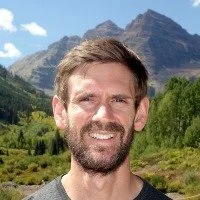
Todd Wright: Going from Head Strength Coach of the Texas Longhorns to the Vice President of Player Performance for the LA Clippers
Phil White 00:00
See, I'll hit it on the computer as well. And then I'll just give us a 321 Countdown. And I'll say we're live and then I'll let Tim jump in with the first question. Sure. All right, good stuff. So hidden on the box here. recording in progress. Okay, recording progress, probably a good sign TV, hopefully. Alright, so 321 and we alive.
Tim DiFrancesco 00:26
God, one of the things that I want to get into, and I'm just going to tease it a little bit right now is the fascinating transition that I've witnessed you make from afar, going from the really unique transition from s&c or strength and conditioning professional into kind of the, the coaching side of it and, and how you kind of straddle that. And I'm just really excited to hear about that, as I've admired your journey and path from my end. But I want to go kind of towards the start of the journey. And I think one of the top stops on on your resume that shows up initially anyways, is that in 1999, when you got the job as the head strength and conditioning coach with the Texas Longhorns, specifically with the basketball team, but as with any high profile position, there's always a number of steps and stops, and usually years that lead up to that high profile position that first shows up on a resume, and I'd love for you to take us into those unseen steps and probably sacrifices that, that you took before that that position came about. Yeah, no,
Todd Wright 01:35
it's a it's a great question to my, you know, I am from the North Shore, Massachusetts, you know, we're, we're you you have your business there right now. Right. And, and when I graduated high school, went to Springfield College in Western Massachusetts, where I played college football, and, but growing up on the North Shore, you know, in in the, in the early 80s, the Celtics, they were rolling, right and, and I grew up loving the game of basketball and in watching the Celtics when they were in their heyday, you know, in the early 80s, and a lot of NBA Finals and a lot of championships and, and so basketball was always a pretty big love in my life. But I did go to Springfield College and play college football, and at the end, I had to do an internship. And my internship was at Boston College, and it was right when Tom Coughlin and and Coach O'Brien was the coach of the basketball program at that time when they had Billy Curley and, wow, Howard Isley and, and so they had a really good team there. And so my internship I worked with the basketball team and, and worked with the football team and, and I lived in a closet that one of my high school teammates was was going to Boston College who actually happened to be the Boston College eagle, the mascot. And I lived in his closet with his with his dirty ass uniform. And, and, and when I graduated there, when I graduated from Springfield and finished that internship, I knew I wanted to stay in some kind of a team setting I just loved being around, you know, the guys and, and I love training. And so with the help of a real good friend and mentor who was the owner of a bar that I was bartending that she helped me write some letters to colleges to apply for graduate assistantships. And in in that, in that little venture that I had with her, I heard from Clemson University, and Clemson in Tennessee. And, and I could get into Clemson without a lot of academic rigors. And so I left in 1993, to become a graduate assistant at Clemson for $11,000 a year and I was working on my master's degree in community agency counseling in there, I got to see big time college football, and but in my first year, a guy by the name of Rick Barnes, left Providence College who was you know, he was the head coach at Providence College at a really young age share in the Big East was, you know, you remember back then a real deal. It was the it was a Premier League and, and so here I go, I get this young coach, he's 38. And I'm 23. And he likes I interact with the guys and he asked me, you know, would you ever consider leaving football? And I said, Coach, I don't know man and and he said, Well, look, this is what I can promise you. I'll promise you that. You can go anywhere in the country and learn and he said, I won't let administration put a budget on you. You can go meet anybody want you can get any book resource, anything that you need. I said, really? He said, Yeah. He said, I can't pay you though. You said I can't get you on, you're gonna have to be a GA right now. And I was like, All right, and then but in the next breath, he said, I promise you will win a national championship. And at that young age, you know, you want to be a part of something that you learn how to win. And, and so for the first time in my life, I was a part of something that was, you know, it was really driven towards high performance. And this guy, I knew he was going to know how to compete at the highest level. And so I left and I was a GA for him for almost four years, I worked for him for about $11,000. And then he had Clemson at Clemson. Yep. And then he took the job at Texas. And he asked me to go with them. And, and that's how my career started. And basketball was a shifted over from football, because of Rick Barnes, who I ended up spending 21 years with, you know, 21 years in college basketball with him. And that's how I kind of got into the coat the assistant coaching part. And yeah, we we shared an office, well, Coach never went to his office, office, he lived in the gym, and my office was in the coach's lounge, I had a desk tucked into the quarter. And so he would come in and watch film every day. And so I would sit and I would sit and learn the tactical side of the basketball from this great young coach, you know, and, and he was really defensively driven. So he would show me the intricacies of, you know, how to play the ball screen and, and how to physically, you know, handle the, you know, you know, collisions that happen in ball screens, and, but how we would all move as a unit and when the ball moved, all five of us moved and, you know, taught me, you know, angles of close ups and, and so what we did is we started to design some movement training systems based off of the defensive movement, instead of going to the track and running, we would go down at lunchtime and come up with these drills. So you know, two or three lines, whistle, these guys would go here, whistle, you would move to another space and, and we just kept building off of them. And when you
Tim DiFrancesco 07:07
say we started interrupt you, when you say I'm just this is amazing. So when you say we, you and Coach Barnes Are you and like literally, he's in there with you working through this stuff,
Todd Wright 07:16
yeah, he's in there with ya, he's in there with me at lunchtime, and we're just designing these things. And then, you know, he allowed me to be in every film session we ever had, I was in every team meeting. And so you know, like, any, like anything else, you you're in something for good 1012, which I ended up with him 21 years, you start to acquire some skill sets and some views of the game that that could be helpful and you finding other ways to incorporate training on the spectrum of, you know, performance of, you know, the training into actual skills and development, right. And then, you know, I started to watch a lot of film with him on, you know, bigs and how they would screen and how they would, you know, move out of screening and how they would duck in and how they would use their body for angles and how they would use their arms to ward people off. And so then I started to, you know, participate a little bit in some of the offensive breakdown stuff and practice, you know, in help the bigs and knees, you know, you know, the primary break the secondary break, and then how they would move in our sets and what they would do. And, and that's how I started to get into this. This coaching world was coach allowed me to record right,
Tim DiFrancesco 08:37
you know, and I just want to underline for listeners because it's, it's so uncommon for that sort of overlap in that gray area. Usually, you see the strength coaches in the weight room, they're doing pre practice pregame stretch activation, things like that. And then they're doing maybe some rehab alongside rehab clinicians and things like that of what's happening in the umbrella of s&c and rehab but rarely unless all of a sudden you get called in you need a passer and a drill or something. Are you tapping into like you said the nuances of the game but also your lens colliding with Coach Barnes lens of the skill set the skill sets of defense of offense of the game in with the physical aspect of how what's happening with their body when they're doing those things? And then how do we actually create drills from that which is it's really given me goosebumps right now because you were the first person that I ever looked out on the landscape of and saw somebody and said, Wait a minute, that's that's basketball specific application of strength and conditioning that we can help basketball players with specifically. And yes, of course, these things translate across other athletes and other sports because all athletes are humans and all humans are athletes to some extent. There's definitely requisites in different sports that overlap. But it was the first time that I saw where you didn't have, oh, the basketball players, they just go do bat football style lifts, or they go do whatever the s&c coach who doesn't necessarily have a big background and basketball is sort of prescribing at that time. And I just think that is so powerful. It was really it really resonated, resonated with me early on.
Todd Wright 10:25
Yeah, no, I appreciate your good words, you said a couple of things in your, in your, when you were just talking to me, you know, when we first when we, when you and I both got into training, and I think I'm a little bit older than you and so I don't want to throw you into my category. And
Tim DiFrancesco 10:44
if I'm in your category, I'm happy trust me if I'm anywhere near your category, sir. What when
Todd Wright 10:50
training started, Tim, like, you know, you would look at some of these traditional lifts. Right, and, and I'm thinking, as I'm learning from this young coach, than the movements that I'm watching, sometimes a lot of the skills in the weight room, they didn't really look a smell like what what I was watching, right and so there was a gap there. Wow, on, on, you know, the term strength coaches, okay. I think it was originally designed, you did to get people strong, right, but strong to do what. And just because you get someone really strong doesn't necessarily mean that you have all the characteristics of coordination and balance, flexibility and mobility, to be able to move and execute those specific tasks. And so, at a young age, on top of the opportunity to go learn, you're learning from guys like Mark Versteeg, and Mike, you know, Vern Gambetta, Gary Gray, great cook, and, and you're taking in all this different knowledge at such a young age that it's a little overwhelming, but where do you put it all, but when I drill down to it, it really came down to if I could rehearse the movements that I was watching on the floor, maybe we could give them a little bit of a competitive edge because they would have those motor programs grooved. You know, at a much denser level than then when just maybe basketball season started up, you know,
Tim DiFrancesco 12:21
well crack that canister open a little bit for us, Todd because I think in my estimation anyways, there's there's really not a game like basketball that has the the requisites in multiple planes and at the pace that it happens and changes of paces and, and just all of those pieces. But what is it that you saw and see today, in the game of basketball that makes it such a unique set of requisites to prepare for?
Todd Wright 12:49
Well, what makes it really unique, especially in regards to the training and performance world is it's really vector based. When I say vector for the people that might not understand what exactly that means, if I was standing in the center of a clock, a traditional clock, right. And I took my right leg and I stepped to one o'clock or two o'clock, I'm stepping on a vector. And there's certain vectors that you move on offensively on the gate in the game of basketball, and there's certain vectors that you move on defensively. And so if you look at what what vectors you need, on the offensive end of the floor, why wouldn't you strength, strengthen those movement patterns? Right, the ability, step and crossover and get up the floor. But there wasn't any strength training drills that really look like that, you know, not at all. Right. And now, but with a with a world of traditional training changes, you know, there's a reason why you can get really strong in the sagittal plane, whether we're the bodies, you know, uniquely designed
Tim DiFrancesco 13:51
to say sagittal that's, you're talking
Todd Wright 13:54
straight up and down. Right, right. front, the back. Yep. And so, the good call on your part, for anybody that listens to it will probably be good that we give them a little cheat sheet of the sagittal plane. Absolutely. Yeah. And so the body's uniquely designed to handle more load in the sagittal plane, right. And so I have my sagittal plane joint, my ankles, my hip, those hinge joints allow us to hold more load. But when you look at the game of basketball, it's definitely multi directional. And, and it's multi directional through the through those vectors. And if you look at the design of the human body, like the hip, is a ball for a reason. The hip socket is ball it's meant to move very different direction. Same with the shoulder. So the shoulders, the shoulders and arms drive different chain reactions from the top down. As our arms move in space in different directions. We put multi directional loads into our core that feed our feet, but when my legs move from the ground right in that those sockets, they move, we create all these multi directional loads from the ground up. But when you're looking at traditional training, we were really loading those joints heavily in one direction, chair. And so I would throw the question out, like, how, how do you want your athlete to move, you want them to be strong, but strong to do what? And the heavier the load, the more the body actually becomes restricted? Right? And for a reason, it's a protective mechanism. So, you know, their traditional field of strength training was all about load,
Tim DiFrancesco 15:39
body strength, load, load, right? Yeah, like, get strong.
Todd Wright 15:43
But I would say that if I want to move on those vectors, you load is still a piece to it. Of course, it's not going to be like the sagittal plane loads, it's gonna be, how can I navigate this, this movement pattern with, with balance and stability, the ability to redirect force, with some coordination. And in so that really made me start to think a little bit differently. And then I was fortunate enough that I met Gary Gray back in 1999, because of a serious injury that we had on the squat and, and it was a guy that had a low back injury, and, and I couldn't, I couldn't help them. Learn to see Gary. And Gary said, you know, take his shirt off, take his shoes off. And I said, Sure, you know, and he's, he's like, Gavin walk across the room, and in his gait pattern, you can see that this guy is right arms not swinging. And he said, he would stop and the guy was, you know, his back was to us. And he said, Look at his left heel. And I'm thinking, why the hell am I looking at his left heel, you know, like, his back hurts, right? And he's like, his left heels locked in inversion. And I said, get him in like, you don't get it, man, his back hurts. And he instantly when he looked at me, I was like, Holy shit, I don't, I don't get it. I said, You telling me that the left subtalar joint is causing his back. He said, that's what I'm telling you. And, and I said, explain it to me. He said, Well, when the you know, when the calcaneus hits the ground, which is the heel bone? Yep. It goes through this small range of motion that it even hurts, right? It actually collapses collapses this way. And basically what it does, the talus falls down and then and it drags the the tibia and the fibula to bone to the lower leg and internal rotation, drags the femur and into rotation. But because his calcaneus was locked, he wasn't getting the proper chain reaction biomechanics from the ground up. So this was his left foot. So if your left foot was back in gait, and I was running up the floor, my right arm would usually swing back to create that diagonal load from my left hip to my right shoulder, right? Sure, this guy's didn't want to swing his right arm, because if he did, he would go right through the discs of his lumbar spine,
Tim DiFrancesco 18:05
he found a compensation to protect,
Todd Wright 18:07
to protect them, right? And so when Gary starts to go into chain reaction, biomechanics, I'm like, you gotta you gotta teach me this.
Tim DiFrancesco 18:16
So So I gotta, I gotta stop, because I've just tried to put myself here. At that moment, your mind is kind of exploding a little bit. But you're saying you have the wherewithal to say, look, I'm not, I don't know those pieces of what you're talking about. But tell me and then a little bit before that, though, I need to, I want to kind of get from you. Like, are you as you're as this is happening? And even before that, you're saying like, wait a minute, this doesn't add up the stuff of loading in the sagittal plane, just straight ahead, load add stability to these joints in one plane. Do you realize at that time, like, are you save yourself? Am I crazy? Are they crazy? Am I'm onto something here? I think like what was that? Like? You're kind of like a pioneer at that moment? But you may not realize it? What's that? Like? You know,
Todd Wright 19:03
it was? I'll be honest with you, it was really chill. No, I probably spoke out of context in the story, right? The story of this guy with the back is is really worth a start to discover. Look at the human journey. Sure. Right? Of course, try to give it context that that story is But to answer your question. This, this was my advantage. I didn't have a boss. That was to do it. Right. Right, a young guy. I'm 30 years old. And and when I start to discover these chain reaction biomechanics principles in the body moves in three planes of motion. You know, all of a sudden, I'm lucky that I have a couple other real gifted players after that kids that an awful lot of careers in the NBA but had a chance to go to the NBA out of high school but because of their backs, had to probably take a year college and then leave Learn that these principles helped me create solutions for them also. So now, you're right, you're at a crossroads where you like, these are the traditional points of views of basketball, right? Like do I and some people that I love and respect like, in. And so it becomes challenging, but all of a sudden, he had to be big it was in, but because of the results that you start to create for the other guys and the other players you like, you can't ignore this, like, it's been possible for you to ignore this. And so I started dive deeper into the side of applied functional science, then more than traditional based training, even though I don't totally get out of it, I'm still, you know, I still think moving weight is relevant. Sure, I'm sure who you are, right. Like, it I level. Now, Tim, you know, you worked at this level for a long time, you know, the ability to protect an asset that's worth, you know, now they're up to $50 million. Right. Right. Right. And, and so, like that, that I shouldn't use the word asset, that player is someone that may come in that had three surgeries, right? That is 33 years old, it's at the tail part of their career, like, what can you go into your toolbox as a strength coach to help fortify them where they are in the lifecycle of their career. And give them the skill sets, they need to be the most efficient mover possible in the game of basketball, and that they can be available and sustainable for play. And if you could do those things, right, like you're protecting this player, and giving them an opportunity to make more money, and in return helping your organization you know, keep these guys on the floor, you have the potential to win at the highest level.
Tim DiFrancesco 21:51
Well, and that's the name of the game, right? Because I love the word use fortify, I tend to use the word durability, but we get intoxicated with bigger, faster, stronger. And that can be a really, I think those players that are out there, putting on those sports center highlights, people think that that means there's like a passport to doing crazier shit in the weight room than the average Joe, when in reality, that's the last thing they often need. It has to be the objective being fortify them and build the durability. So they can just keep doing what they're doing. Help them identify some of those compensations, as you talked about. But it's it's really this kind of eye opener for some people that may not realize that that's, that's actually what's happening, what has to
Todd Wright 22:38
happen. Yeah, absolutely. Like if, you know, as a young coach, young coaches get into the business. And if you are a strength coach, like if you work for a coach that wants numbers, you have to try to go produce those numbers in the weight room. Right, like you're under pressure, make the bench stronger, like to make the squat stronger. And and and I would say that that's not, you know, any head coach that I would get to, I would say, how is that making them a better basketball player? And I would actually challenge the thought process that there's a certain amount of risk in testing these lifts at one RMS that, is it? Is it valuable to do it
Tim DiFrancesco 23:18
totally what for? What are we getting from that?
Todd Wright 23:21
What are you getting from it
Tim DiFrancesco 23:22
right at the risk that that is going to be there.
Todd Wright 23:25
But now, like, you know, you've had some young guys that have gotten in drafted that are really physically underdeveloped, like, can you blend the world to functional blend the word of traditional as long as it's really safe, right? And change a body type through some more heavy traditional lifting. I think there's a place for that, if totally, if it dictates that that's what the athlete needs. So I think that you just have to go through a pretty extensive, you know, diagnosis and evaluation of what each player kind of needs.
Tim DiFrancesco 23:56
Yep, it Phil, I'm hogging the mic here. So I know those 19 questions on your end give you I'll give you I'll hand it over in a second. But I want to back up just a little bit, Todd, because if I just sift through some of the things that you listed off that got you to that Texas job, and then we got into the some of the technical sides, which was amazing to hear how you were looking at it on the cusp of being the pioneer of that, but you lived in a closet, you took $11,000 and you took no pay, but some continuing education cards that free free cards across the country from Coach barns and saw the opportunities but a lot of sacrifices in there. Did you ever at any point in there to just say, What the fuck am I doing here? Is this really going to? Am I should I be making this many sacrifices this many times in a row or was it just so obvious to you and such a open kind of environment of learning and growing?
Todd Wright 24:54
You know, I think that if I had gotten in it a little bit later. Maybe I would have had some of those Have those thoughts? Right? Right. I got into it at a young age at 23 and got right into it and just loved being a part of a team. And love, like trying to deliver as much value as I could for my guy, Rick. Yeah. You know, not to say there's challenging times, right making $11,000 No, I was in South Carolina with cost of living like, you know, I lived in a place that we actually called the tool shed and it was, you know, it might have been 650 square feet, it had two bedrooms and a kitchen and a bathroom. And, and the best thing about that place, it had like an air conditioning unit that the landlord took out of like, a commercial building. And so like you could the commercial, the air conditioning unit was almost as big as the house itself. And so in the South Carolina heat coming home to that you could feel it like 10 feet from the door, pour it out from under the door. Oh, man. Yeah, know, this, these challenging times early, you know. And then when I got married, you know, when I asked my wife to marry me, and we moved to Texas, I think I started making $30,000 a year, my first year, Texas, and at that time, in 2000. In Texas, that was a really hard place to live. Austin, Texas was in a big bowl, right? Yeah. And so sometimes those things were challenging, like, Could I make it on the money? Yeah, but never really questioned if I this is what I was meant to do. I just love being around the guys. And I was crazy curious about how to make things better. And, and so that part I never wavered, but the money piece. absolutely could. It was challenged. It is incredible.
Phil White 26:39
You mentioned a few other names earlier on, you know, the leading minds in the field. And we had the pleasure of having our friend Greg Cook on the show. What did you start to learn about functional movement from the likes of gray Kirk, and then start you mentioned Mark Verstegen, and some others, who were kind of leading the charge at the time as well and obviously working again, in different sports, like with football, where you'd come from?
Todd Wright 27:04
Yeah, you know, I took something from everybody in this spaces, right? Like, I thought mark how Mark systemized his programs, especially speed development, well, he's, if you've ever met Mark Versteeg, and I mean, he's just incredibly buttoned up and, and his ability to cross his t's and dot all his eyes, and he's meticulous and right. He is meticulous and and, and so the ability to watch him coach and watch the progressions to his speed development. I thought were, were amazing to watch that he Well, he was we were around the same age we got in at the same age. And I had a linebacker that played next to me in college, that was one of his original performance coaches in Bradenton, Florida. And so there was a connection there that I can go watch, right? I originally saw a great cook, I think, an ACSM. Conference, and that's when the lift and the chops were really starting to come in. And when I watched these lifts, and chops, it was hard to deny that the diagonal patterns of the human body from you know, one hip to the opposite shoulder. And so I was really drawn to that. And, and then, very, Vern Gambetta has courses, you know, conditioning and reconditioning the complete athlete was an amazing experience at a, at a young age. And he, he was the first one that kind of had the influence of Gary Gray, they had some, they had some interactions with each other earlier in their careers, and they started to collaborate a little bit. So that's the first time that I heard Gary Gray. It's a lot of people that don't know, the field, like Greg Cook and Gary Gray King thinking that sometimes people think they're the same person. Right. And they're not, you know, Greg Cook is, you know, the founder of the functional movement screen. And, and Gary Gray is the founder of applied functional science and so but if I could go back to, you know, Tim, just ask the question, you know, there weren't there were a lot of sacrifices, but like it, like, give a recommendation to any young coach, I would say, use a good 20% of the salary and throw it into your continuing education budget at an early age when you don't need money. Right. And like, and but I was spending probably three times my salary and a continuing education budget, I was making 11 grand, I was probably spending 30 30,000 Plus and, but that was a huge, valuable tool to have those influences from these people that would that put together and just hearing their stories and their experiences. It was just an amazing experience for me as a young coach.
Tim DiFrancesco 29:54
No doubt. So when you were beginning at Texas and and what you and Coach Barnes kind of you were a part of building that rise that they had to make from not having been known for being a basketball powerhouse to then becoming one. And like you mentioned having NBA level guys start coming there was new for that basketball program. What were what were some of the things that you were able to now I picture you really starting and I could see I could literally see on TV, you starting to shift into assistant coach type positions on the bench, for instance, places where I didn't see other strength coach sitting. But can you paint that picture as that time went on? And those years at Texas for us?
Todd Wright 30:46
Yeah. You know, the I was really blessed to have the relationship that I have with Rick burns not only was a strength coach for 21 years, but I ended up becoming a really good friend and, and I just was I just wanted to learn the game and him me in right, he allowed me into teach me. But what a lot of people don't realize is when we were at Clemson, our first year at Clemson, we were picked to be the worst team in the history of the ACC. And we won five games in conference that year. The next year, we made it to the NCAA tournament. And in our third year, Coach took the program to number two in the country. Right. When that's when that league was, it was powerful. It was you know, the Dukes in North Carolina, they were, you know, Tim Duncan was in that in that timeframe that we were there. And, and, and so it that it started early at Clemson. And when I was with Rick, we actually went to 19 out of 21 NCAA Tournaments, we missed the tournament our first year at Clemson. And we missed it one year at Texas. But when we get to Texas, I start to get a little more involved in practices, especially on the defensive end of the floor. And, and he lets me actually take some beginning parts of practice, like up to 10 to 15 minutes and then run some fundamental defensive movement drills, you know, close out drills one on one turns. And that ends up becoming a lot of fun. But at Texas is the first time that I stopped to take notes after games and forward them to coach you know, I watched I go home, I watch the whole game. And I'll take you know, send my bullet points to coach and I won't, you know, I want to try to stay in my lane the best I can. But I'm really, I'm really into this now and how can we just continue to get better. And and then, if you've ever met Rick Barnes, the way that we meet is we go to lunch every day. You know, some guys love team meetings, and he doesn't, he's not a big like, but if you want to meet, you're going to come to lunch. And so I spent a lot of days at lunch with him. And, and, and then I moved up the bench a little bit. And I think he just, you know, a little bit of trust grew that he would hear me a little bit. Yeah. And I tried to really play that line correctly, right. I never wanted to cross over, I knew the world that I came from. And I knew where I sat. But if I really felt like there was something that could help Rick in our program be better I would always say to him, and and that evolved into maybe growing a little bit more into that the assistant coach kind of position to
Tim DiFrancesco 33:39
incredible.
Phil White 33:43
And I mean, it sounds like he had all the technical expertise in the world in terms of how you describe those early film sessions. But what is it about a person that makes you want to commit over two decades of your life and your career to them?
Todd Wright 34:01
Yeah, number one, my ability to get better every year. And that was coaches thing at the end of every year is like, taught what three things you're gonna go get better at, like. And so my ability to stay on a trajectory of continual growth and development, personal growth and development was huge. But his, you know, his ability to let me participate in those other worlds, like, crossover into the basketball world a little bit was I knew it was a privilege and an honor. But he treated me amazing, you know, and any treat, he treats everybody amazing, though anybody that's ever worked for him. You know, all my kids. You know, just to give you an example of Rick burns, you know, he set up college accounts for my kids all when they were born, and then every birthday, every birthday and Christmas. He would contribute something to those now that my kids are in college. Those things are they're very significant. They're life changing things. So, yeah, especially and then the fact that you knew he was a great coach inside. Ronda, you're drawn to want to be with that. Right. And you want to continually learn with that. And, and, and Phil, that's why I spent 21 years with Rick. And then finally, when we got let go eventually at Texas in 2015, I was fortunate enough to develop all the skill sets through the, the, you know, just traveling around the world and learning that I was really curious to see if the training systems would carry over to the NBA and work with the highest level of athlete. And that's the only reason that I really left Rick, because Rick, he's like a brother to me. And we still are, we still talk along. And that's why I ventured out after 21 years just to see if, if some of these things will be applicable at the next level. You know,
Tim DiFrancesco 35:57
we'll talk about that a little bit, Todd, because that was such a long time and one sort of aspect of the game or one level of the game and certainly extremely high level of elite D one basketball, but then to go to the whole different kind of language of the sport in the NBA. What was that transition like for you when you took the Philadelphia 70 Sixers job,
Todd Wright 36:24
though, that was challenging, that was really challenging. And I felt lucky that I had the opportunity to get the assistant coach title because of my experiences with Ric. And in the head coach at the time at the 7060s Brett Brown, we spent a long time together. And so he understood how some of those carry overs were there.
Tim DiFrancesco 36:44
Plus, he's in New England guy, too.
Todd Wright 36:46
Yeah, he's a new way. And he's in he's another amazing human being. I've been great coaches and great humans. But the fact that I could learn the NBA game from Brett Brown was really exciting to me, like super exciting, I knew he came from the San Antonio Spurs. And obviously, the history of winning championships and embrace, it really convinced me that our trajectory in Philly was going to be a great one. And I always I winning as much as I was lucky to do in college, I wanted to make sure I hooked my car to someone else that understood winning and how to create those cultures. And, and I felt really strongly with that with Brett. But when I got in the door and sat down with him and started to learn the game, well, it was I mean, the nomenclature was completely different, you know, you know, the dam block the up block, I had never heard those things before of the right and left side of the floor, how they call ball screens, you know, robbing roles. And, and so I would now I had to acquire a whole new language. And so almost like I had to learn how to speak French. Right. And I was drinking out of a firehose and then and then just the, how fast the game is, right? Like, Tim, you watch these guys for a while, I'll quickly space, those in just how powerful gifted these guys are. That was a significant transition for me. But the cool part was what I really learned, after 17 years of being in one place, and you kind of get to a point, like, you know, you get in really good and you get in way up onto this ladder of success and you feeling good, you step into a new world, and then you get you get rocked. And, and that that uncomfortable feeling was a huge thing for my growth. And I was 45 years old. And I was I was I wasn't comfortable. I've always been driven to keep getting better. But there's a certain comfort level, something like that for 17 years, and then the ability to move out. And and we ran a really disciplined program at Texas, you know, it was a zip bubble bubble in Tim, you know, like the league. It's a communicative League, right? Persuasive League, you have to show how you're going to deliver value to these guys. And so the ability to go from that coaching point to now this there was some great challenges, but I'm really glad it happened that way. You know, yeah, the
Tim DiFrancesco 39:18
struggle, the outside that kind of comfort level that you had developed and earned, and then suddenly to not have that there but have to figure out a new language is, you know, that's how you sprout new new new pieces and new arms, new legs, and you just keep growing. So in terms of the you brought up one thing that way that you develop this incredible relationship with Coach Barnes himself, but there's then this new piece, you get to Philadelphia and now you've got this really cool developing relationship with Coach Brett Brown, but how about and you brought that warmup trust that he began to trust you. And then how about the trust that you had to develop an urn with the players and you just alluded to it, it's a whole different ballgame with those players. It's not like you just say, hey, everything happens at this time. And it all just happens like clockwork, because you can kind of make it happen like you can in college or other situations. But I'm talking about the trust developments from coach to player.
Todd Wright 40:27
You know, when I when I think about the word Trust, I think about I think about a couple of different things, I think about the word value, how can you deliver value, relationship, right value can be delivered a couple of different ways it can be delivered informationally, something that you know, in your mind that can help this person go from where they are out of the way they want to be, yep, there can be an emotional value that somehow emotionally I make you feel valued. And that you're, that you're really good at what you do, right, that can be measured that way, there's a way to, you know, increase financial value, like, if I can share these other pieces of value with you, hopefully, I can help you make more money. But when I really learned about trust, I mean, when I think about trust, I think about what to expect from somebody on a daily basis, and how consistent Your behavior is, on a daily basis, can I deliver you value, but am I not up and down all over the place? One day, I'm great to you the next day, I'm not great to you. Like those expectations, if you understand behaviorally how I'm going to be on a daily basis, and I'm, and I'm genuinely in this to help you and help the organization. It takes time to build that equity, interest, right? In trust, just it's it just doesn't happen. It takes time. And so I think when you enter and enter into a new space, just understanding, it will take time for you to develop trust with players and your organization, because over time, your consistency of your behavior. And if you're authentic to those things, of helping people go from where they are to where they want to be. And then using your your knowledge and information that you've been able to acquire over time. Those things will play out. And trust will be built in a foundation that you play as a whole, understand that you're in it to help them and and your organizational understand the value that you bring through those relationships. And, but that's how I really see, trust is like there's a value component to it. But it's the consistency of what you're going to recognize from me on a daily basis. And so it takes time to accomplish those things. Well, I
Tim DiFrancesco 42:56
think that's, that is the best way I've ever heard it described. And and it is so true. I mean, it's so simple, what you're saying it's just many people, especially entry level coaches, or entry level people at any new position, or in any organization are trying to figure out well, how do I get the trust of this person, that person, I need them to do this for me, that kind of thing. And it's like they're up there down there this that they're too caught up? And what are all these fancy things that I should be doing to get the trust? And in reality, it is just that consistency of? Do they know what to expect from you day in day out? And it's going to be roughly the same? And if it's not, you'll tell them why. And you'll communicate. And you'll you'll work together through it. But it just as with many things, it's not as complicated as people want to make it. But it's hard to do. Unless, you know you're aware of it and you make the effort.
Todd Wright 43:46
Yeah, yeah, no, I would agree with you in, in high performance sport, new people to get interjected into a community, you could see where some of them stay start to drive, you know, they want to try to create trust, and maybe they could drive too much to try to create that trust. Yeah. And I think the component of having a trust is the whole key in a high performance world, like can you trust your teammates that, that we're all making collective decisions on what's best for the athlete in our organization. And when you have large organizations, sometimes those things can be challenging. I'm really lucky. The situation that I'm in right now. I wouldn't trade anybody in our, in our high performance setting medical or now it's unbelievable. And we have hard conversations like it's right. It's real. And but there's no you know, undercutting or you know, jockeying. It's in there's a lot of hard conversations that it's great people having hard conversations to solve problems. And that's what I love about the group of people that I'm with now.
Tim DiFrancesco 45:00
yeah that's rare and that's that's a credit to you and the others that are leading that charge
Todd Wright 45:05
ya know our leadership group is is an amazing group which starts with our our own Steve Ballmer. Yep and then and then you know Lawrence Frank who was a head coach in the NBA forever and started at you know the bellows have nothing right so he understands how to interact with everybody in the organization and then our general manager Michael wingers is an amazing human being and we have a couple other assistants and Trent Redding and Mark Hughes and and lead Jenkins the its leadership group has really put together a
Tim DiFrancesco 45:40
special group talk a little bit though about the differences of what you came into and Philly which was sort of as everybody saw termed the process and getting just young 1920 year old 21 year old player after another to build out this this what Brett Brown had assured you would be a juggernaut eventually but then now it is a little different I think where it's it's a bit more of a collection of veteran coaches veteran at least in tie lose case and and some of his his assistants including you and then the players are more of a veteran group is that is that accurate?
Todd Wright 46:21
Yeah, it is accurate. Yeah. So I've played on both ends, right? Because the NBA you know that part of the process that you talked about where they were going to get young talent and you know have the ability to get high lottery picks and so my first year which I knew it was going to be a challenging year I think we want to live in games and we were lucky that we got the number one pick that following year and in in picked Ben Simmons and then we got the number one pick the following year and we got marquel falls Yeah. And so you start to acquire you know some great young talent in Philly move faster we made the playoffs next year. And we did the other follow in two years also it's been fun to watch their trajectory since since I've been gone but absolutely very different experience a lot of young guys so not far off from college we try to develop habits you know, that can help them at the high performance level and then you know, being with the Clippers now and my first year was with Doc and Doc Rivers who was that was an amazing experience for me and and now I have tea Lou, who's you know, he is he's a brilliant coach is in game adjustments are absolutely amazing. His ability to interact with the guys is very unique. And our staff is have you know, we have Bishan and in Dan Craig and Brendan O'Connor and Jayla nega. Like we have a real veteran based staff a lot of that's fun to work with, because you learn it from all their different angles and all the different places that they've been, you know, what we did our roster is a lot of older players, I think we're the fourth or fifth you know, oldest team in the league, which, you know, you're still in your early 30s. Right, right. That's exactly. Can we have some great players? You know, we really do we get some great players. And yeah, and we got a great coach. And so it's been fun to learn from both both organizations, you know, both very different experiences. Yeah. But I'm grateful for the opportunity to be with with both great great groups of people
Phil White 48:42
sure with with that 70 Sixers high performance slash Sports Science slash coaching team. We were lucky enough to have Jesse Ryder on. And we also know that David Martin was part of that staff as well. He's really known as a pioneer in his field. What was it like to have their input as you were finding your feet in the NBA as well as as you mentioned, Coach Brown?
Todd Wright 49:08
Well, Jesse was a huge, a huge li for me. My first year is, you know, Jesse had been in the league a long time. And he was an amazing teammate, you know, there were a lot of things that I didn't know about the NBA, that he educated me on and what was coming up in front of me and, and the ability to go from 35 Games in college to add to, you just can't be prepared for Right, right. It's just it's something that you have to learn by fire. But Jesse was an incredible teammate to me, and he's a great talent. I felt lucky to have him in my life. And then you spoke about David Martin and David Martin is one of the smartest human beings that I've ever met in my life. And so to collaborate with him for my time there was it was a great experience. it.
Tim DiFrancesco 50:01
Yeah, it had to have been just so it like you said it was it was drinking on the firehose, but it was everybody was doing that. So it was, you know, and then you had a little scout ahead from somebody like Jesse was willing to pass the information on which not everybody is in that position and that roll and had to be a really special kind of time. From that standpoint. DOD, I've always wondered, and I have some thoughts on it. But I'm more interested in your take on it than anything I've cobbled together in my mind about it. But you kind of have this this thing in the NBA where you have players drafted on potential, and then some of them achieve that quickly, early. Not with with not as much of a steep curve as others some, it takes three to four years, and then some, it just doesn't kind of click is is there, outside of the fact that oh, look, the the talent just wasn't there. There are cases where the talent was there. And it just didn't click for them as a craftsman as a professional in that league at that level. Are there things that you look at from a player standpoint, if you have players listening, if you have coaches listening right now at any level that are just basically leveling up? And it's not happening as quick as possible, as they thought that it might, that you find, look, here's what these these players that you see year three, year four, all sudden it clicks? And they they go to that level that they people thought they could?
Todd Wright 51:30
That's been a really fun experience for me, Tim being at the NBA level now. Yeah, yeah. It what I've learned is, it's such an opportunistic League. Right? And, but there is some commonalities to the people that somehow crack in. And I think it really goes to habits, right, like when you when you think about high performance, like your habits of how you study the game, and how you can really learn the game is key, your ability to work on your mindset. And, you know, it's really hard what these guys have to do, especially if you're not one of the elite, you know, guys that get picked in, and you know, you're going to make it for and nothing is really guaranteed, like, you're going to have to have a certain amount of habits, sure, in order to be successful at this level. But those guys that are in that bucket of maybe the last third of the roster, right, that, that, yeah, that of fighting, like those vets that hang out in that world. They're amazing teammates, right? They're amazing pros. They're on time every day. They take care of their bodies, right? Like, they're, they understand the value of being a great teammate and the energy that they share in the in the locker room. Right? That's what I've learned about that. That last third of the roster, right? Yeah, you're a young guy, what I've really learned is this, how hard you have to work off the floor, when you're not playing in order that when an injury happens, or you get tagged, that you have the ability to go to that level, how hard it is to do that. And the guys that I've watched have success when that opportunity happens, they're the ones that are really fine tune they conditioning is at another level, their strength training is at another level, that taking care of themselves and not going out partying all the time, they are waiting for the opportunity to open the door. And when the opportunity happens, they don't open the door, they kick it in. And, and then they get an opportunity to stay in the league. But when I think about high performance in regards to a player, I really think about the pillars of performance, right? Like of how you train how you move, how you sleep, how you restore, recover, how you eat, right? What's your mindset, like? Are you continually growing your mindset? And so when I look at the performance spectrum, it's how can you have incremental gains in each one of those pillars. That allows you to capture your opportunity when it happens. And if you're not fine tuning all those areas. You may be gifted enough, God might have given you the gift, you know that you can right? You capture it and you get it you've been around a couple of those. But in my world I've seen they're definitely the minority right that that there are guys that can capture it if they're not holding all those skills and those sets but the those players in that last third of a roster that have amazing habits that are incredible in the in the locker room. They understand Why they continually make money? You know? And that's been a real fun experience for me like seeing some of those bets, I bet that have played 1012 years and they're at the backside of their career and they're not what they were on the front side. How can they just keep bringing value? You know, and but it comes down to the habits as a pro. Are you on time? Are you are you coachable? You know, do you have great energy in the locker room? I think those things are all really valuable to in why guys continually stay playing the game. All about the
Phil White 55:36
habits. Yeah. Other a couple of players have really epitomized those habits as you've been in the NBA.
Todd Wright 55:43
You know, the best story I got is when I got to Philly. I had a kid by the name of TJ McConnell, right? For people that don't know, TJ McConnell was a he was a point guard that started out at Duquesne University and ended up transferring to Arizona, at a really good career at Arizona goes undrafted, 511 you know, white guy just plays exceptionally hard right? Now, we've signed him to a camp deal. And he comes in, and he's not. He's, he's playing good. But he's not playing great. And in the first camp, he, he turns his ankle, like into the second to last day, and I'm thinking in the back of my mind, this might cost this kid like it, he might get cut. So he misses a day or two. But because this kid's habits was so good, like he was probably one of the highest workers on our team. I think he'd almost driven himself into the ground, like some of these high performance, they'll work at a level that they don't understand fatigue. And so he had this little ankle injury. And he has this little dip, he has like one or two days off, and he comes back the last day camp. And he's arguably the second best player in the gym, right? All of a sudden, you're like, all right. In my first year, the opportunity for him was we had a couple point guards that were coming off ACL injuries that we had acquired, that they were going to take a while to get back. So he got a little bit of burn, produced, you know, relatively well. And then the second year, he going into camp, the very last player camp, our starting point guard lands on someone's foot, he breaks his fifth med head. Another opportunity, right? So he comes in, we acquire another point guard. And the kid breaks a bone in his wrist. So that opportunity allows him into get another sniff. Right and, and he rings the bell. He
Tim DiFrancesco 57:56
I stop right. As you said he kicked the door and he didn't just stated
Todd Wright 58:01
in Yeah, so now you like. Now if those other injuries don't happen, maybe his story is totally different. But but they did. And he was in he had all the habits lined up that he didn't open the door, he kicked it in. And now, you know, I think he signed a $30 million deal to be a backup in Indiana. And if you've ever been around him know, like the value he brings into a locker room and his work ethic and in his intensity to compete is like he just if you look at him you like you would never say this guy's in the NBA. Right? You might be 511. Right? I would always mess with him. I say you look like a truck driver. Dude, you look like three weeks in, and but he's got his body in amazing shape. And he's just so competitive. And his mindset knows that he's got a chip on his shoulder that he'll compete against anybody. Right? So that he's just one story, right? And I have a bunch of them like that. And some guys that I'm with right now that have done the exact same thing. But there is some commonalities. So powerful. You work so hard, that when you get your opportunity. You go at it, and you captured.
Tim DiFrancesco 59:20
Well also, I have to imagine somebody a coach like Brett brown or any head coach, they know that kind of stuff is infectious in terms of the other value that that person brings just by having them in the group.
Todd Wright 59:36
Absolutely. Yeah. Like I mean, this kid he, he's the nicest kid, but if you put them in the lines, like he's gonna fight the war, and he's gonna get killed in that fight. But there's a certain amount of respect that comes with that. And this, you know, he's just one story but right. I share that story because I have probably five or six more of those guys, just since I've been in the NBA, that fall into that category, that that's the only reason I can actually talk about the context of the question like, right? How do you how to young guys? You know, if they're really struggling, how do you, you just got to study habits, you got to be true to your habits, and work so hard that when your opportunity does arise, you're ready for it.
Tim DiFrancesco 1:00:26
So good. Todd, I want to respect your time, it's the start of a crazy season and going to be a successful one for you guys. And we're just so honored that you took some time to spend with us and share the insights and knowledge and experience that you have. There is one final question. This is the basketball strong podcast. The question is, what does it mean to you to be basketball strong?
Todd Wright 1:00:53
Yeah, no, it's a great question. Being around some great, great players, basketball strong as the ability to leverage your space to take advantage of your opponent. So using the qualities of strength, power coordination, to be able to get space to offensively, you know, execute your skill, and basketball strong is is to occupy that space that you're defending. How can I use those those qualities to stay within that space to get a great contest without falling, the ability to move my body but still within a distance and stay occupied in that space to to be able to create a play on the defensive side of the floor. But it's really about how it's about space and how you leverage that space. Right and how you use the qualities of performance of strength, power coordination, balance, to win the space.
Tim DiFrancesco 1:01:51
I love that Phil put it in the vault. Locked away. Man, Todd, this has been so so good, just good. If you could tell listeners where they can follow along anything that you're doing and and where they can follow the great stuff that you're about.
Todd Wright 1:02:07
You know what I? My daughter's helped me open an Instagram account when I got the Philly. I love it. Yeah, no, it was great. And I don't post a lot on it anymore. But there was some really good content on there previously on a lot of the things that we talked about today. Yeah. And it's just Todd rate underscore, coach. Got what it was because I don't I don't ever really use it that much anymore. People contact me sometimes too. They're all checked out maybe once a week and, and but really, that's all that I have. I have a Twitter that I follow people but I don't really post on it. And that's, that's it. I'm not on social media a lot. But I always love doing these things in love talk and training and, and in finding ways to get better through learning through guys. Like, like you'll feel so I appreciate the opportunity you gave me today.
Tim DiFrancesco 1:02:59
Well, we're the lucky ones. Thank you so much, coach.
Todd Wright 1:03:03
Yeah, no, I appreciate you guys.
Phil White 1:03:05
Thank you Coach. Beautiful