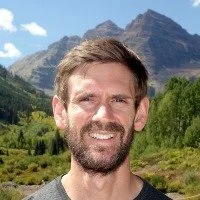
Henry Barrera: Bouncing Back From Loss to Serve Others
Tim DiFrancesco 00:16
Hello, and welcome to today's episode of the basketball strong Podcast. I'm Tim DeFrancesco. And I'm here with my co host, Phil white. This podcast is not just for basketball junkies, it's for anyone who loves to hear the human stories behind great people. Our mission is to bring experts, legends, and hidden gems from within and surrounding the game to one place, so we can share their stories and insight with you. You'll hear the stories behind the game, including trials and tribulations, setbacks, wins, losses and lessons. Before we jump into this episode, Phil, and I need your help. Take a moment to smash that follow and subscribe button and then go leave us a review. The follow and subscribe button is that little plus sign on the top right if you're listening on Apple podcasts, and that's what's going to help us to reach as many people as possible and share with you how we can all be living a basketball strong life. That is what Phil and I are here to do. So we appreciate it. And thank you in advance. This isn't just a podcast, it's a community. And it's a movement. And we want it to feel that way. So be sure to visit us at www dot basketball strong podcast.com. And you can also email us directly at Tim. That's ti m at basketball strong podcast.com. We want to hear from you. So take us up on that. If you subscribe, give us a review and drop us an email. We'll send you a basketball strong t shirt and then automatically enter you in our rolling premium prize giveaway contest. And I'm telling you, you won't want to miss that. Now, let's go get basketball strong. Our guest today is Henry Barrera. Henry is the director of Strength and Conditioning for Olympic sports at Liberty University in Lynchburg, Virginia. He functions primarily as the men's basketball director of performance. Prior to coming to Liberty Henry was a Performance Training Specialist at Nike world headquarters in Beaverton, Oregon, where he was instrumental in designing training content for signature projects, including Jordan brands, terminal 23 in New York, and the hangar in LA. As a basketball player, Henry made his way to Multnomah University in Portland, Oregon, at Multnomah, he dominated despite being told he was too small. And ultimately, he was named the 99 2000 NCCAA Pete Maravich, National Player of the Year. In this episode, Henry shares what painful family tragedy he was forced to grapple with as an earthly father and how he uses this to shape himself to this day, how he ignored doubters to win an award for being the nation's best point guard, despite being undersized. What the core pillars of the Liberty University men's basketball team are. What he believes is the one thing that signals mastery of a craft, and so much more. Let's get into the conversation. All right, I want you to paint a picture for us, Henry, in terms of what does it look like for you as you're just falling in love with the game? And then take us through what that process was like, Get it Get us out of the gates with with that broad question.
Henry Barrera 03:42
That's a great one. So man, I'm going to take it way, way back. years old, you know, I grew up in a small town called Grandview, Washington about 810 1000 people really, the town wasn't very good at basketball and his coach they might show it showed up and turn it around. So he built the feeder system. So by the time you were in sixth grade, you knew exactly what to expect in high school. So he built a culture of like standards and expectations and we got to watch the guys in front of us have success you know, play at the state tournament, go to college get scholarships all that stuff. So for me man, it was just guys ahead of me that were laying the groundwork and foundation where I said man, I want to be like that whatever they're doing I want some of that and I fell in love with the game probably should have played something else you know I'm about five seven at best so you know a lot a lot of encouragement to do other things but man I just love the game of basketball and it's literally taken me all around the world given me opportunities to meet people like you to do life with people like you and just to learn from from from all types of people.
Tim DiFrancesco 04:47
I love that what drill down a little bit into what was it about Coach sweaty who that was, you know, some people can you know, like you said he turned it around well, you set expectations and standards or something he metade double click on that for me a little bit.
Henry Barrera 05:03
Yep. So man, he really taught us how to love the process of work. You know, I think that translates to all sports all of life. Man, you you showed up at a practice and you knew you were going to be tested. And that for some people, that's what that's what clicks that's where the bug bites you and you're like, Man, I want a little bit more of this tomorrow. I don't really like how it feels now but man, I see the progress. And I think once you can show athletes once you can show people progress, you can show them results. Man, the gates the floodgates are open and they want more if that's if that's what floats your boat. If it doesn't, you'll run far away from that, but for me, it lit my heart on fire. And I just kept pursuing that.
Phil White 05:43
I love that so much. Um, are you a parent sporty are siblings and if so basketball or something else?
Henry Barrera 05:51
No, man, I'm like second generation. You know, my parents were born in the States. My grandparents were born Mexico, Spain. So we're they're just like hard working people man blue collar all the way my dad is a construction guy. I I've never seen my dad sleeping when I was a kid. Like he used to spray bottle. Spray my face.
Phil White 06:11
So he was he was a hot ass then. Oh, he
Henry Barrera 06:14
was a straight hard ass man. Like, I mean, everybody loved him, man because he worked hard. And he lived hard. And he just he he brought people in man. And if you if you weren't about that life, he wasn't rockin with you.
Phil White 06:26
So, talk to us a little bit about your college career. So I believe you went and did you go to Yakima Community College, Yakima Valley Community College first off,
Henry Barrera 06:36
yeah, I started at Yakima Valley. And my my dream as a kid was to play division one basketball, I don't think I was quite good enough coming out of high school. I think I got a little bit better as the years went on. So I got a scholarship to play at a junior college in the Yakima Valley. Really unique situation I played for Dean Nicholson, who's in the Hall of Fame. And yeah, I
Phil White 06:55
was gonna ask you, yeah, can you tell us a little bit about Coach Nicholson, because when I was researching that, that was my next question on the list.
Henry Barrera 07:03
Yeah, so unique situation. It was co coaches. So Leon rice, who's now at Boise State, and Dean Nicholson, were the CO head coaches. Dean was about 6970 years old at the time, he was coming in at a retirement coach that central Washington, man, he just, he exuded just the game like he just loved the game. Wild has a seven year old guy going to come in and coach you know, we're really unique there. And then the kind of the relationship with him and Leon was was kind of yin and yang, man, just, they would balance each other out. Leon was like super upbeat, super, super outgoing, super gregarious. And D Nicholson was was so far removed from players, he just X's and O's and just tactician just taught us the game. And that makes really work, man. So I had a blast. I love Junior College. I'm a super big advocate and supporter of going to junior college. It's, it's rough, it's raw, it's authentic. You just gotta go. And who
Tim DiFrancesco 07:59
can we use the words rough, raw, rough and ready? Yeah. Well, what was the take us a little bit further into that community college experience environment in terms of community college sports? What are the what are the challenges of it? And one of the things that you're better for because of going through that? Challenge
Henry Barrera 08:21
is you straight up hard man, like every day is a battle, like, you know, you're at a community college for a reason. You know, it's either grades or it's like physical ability, or it's mental capacity. Sometimes it's all three. So I think when you show up at Yakima, they literally didn't cut anybody guys would just like attrition just fall off, right? And so you showed up every day. And some guys didn't step on the court, they were just there waiting for their opportunity. Some guys just like, it's never gonna work out. So I'm not going to come back. And other guys just showed up every day. And we're literally pros before you know the term existed or whatever. They just came, took care of their business, they knew exactly what they wanted. And they got that out of the junior college stepping stone to move on to the next opportunity.
Tim DiFrancesco 09:06
How did how did you approach those early days of No, before you got there? Just getting there and you're looking around? You're like, how am I gonna make this my stepping stone and get something out of this? Like, yeah, how do you do that mentally?
Henry Barrera 09:20
Yeah, man, I think my upbringing that Grandview really, really tighten into that. So I think a lot of people want what it looks like, but they don't want what it feels like. Yeah. They have this glamorous picture of what what is going to be so they see the highlights and all that stuff. Well, I don't I've never cared about that. Like, for me, the work is the work. And if you're willing to do it, you have an opportunity. So what happened with me growing up in Grandview and coming from a small town and just like, just to make it out of the town was a success. You know, so you get that kind of built into your DNA. And you show up for whatever you do. And you just you have success because you just Outlast people you know And that's kind of my mentality of all of life. That's why I am where I am. I just outlast and I show up and I do my job.
Phil White 10:06
Yeah. Now you're being modest because when you transferred, you averaged almost a double double. I think you were right at 20 points and around eight assess the game. So can you tell us a little bit about your last year or two college and that experience and maybe compare and contrast that a little bit?
Henry Barrera 10:22
For sure. I think one, I was super immature in junior college. So you know, if I'm honest, I partied my ass off man just, I was living away from, you know, just college life, man. And so priority wise, I thought I could do all the extra curriculars and still have success on the court. And if you're not extremely blessed athletically or off the charts, skill level wise, it's really hard to participate in this
Phil White 10:49
Robin. If you don't, then it's Roman. God bless him.
Henry Barrera 10:55
Yeah, I'm far from that. So for me, man, it's just getting my life in order those that was the biggest flip. So, you know, if you want to dive into personal stuff, I became a believer. You know, life is a part of my life. So that was a big flip for me once once i What?
Tim DiFrancesco 11:12
What triggered that? I mean, was that you just something? Did somebody? Do? Did somebody step in with you there? Did somebody help you do that? What what did that?
Henry Barrera 11:21
Yeah, man. So I went on tour with the NBC basketball camps. I went to Europe and I played like two, three weeks. England, Ireland, Scotland, and they gave me this Bible man, and I didn't even open it up on the trip. I was just there to who like, that's always been my MO I'm just, I'm just here, just here to who? And so I got back home, you know, ended up going to Yakima Valley and moved out. And one night we have this this party man like three 400 People college party, you know, we're getting after it. And that night, I got an MIP minor in possession we had, you know, we're serving alcohol to underage, you know, college kids, whatever. So I got to take it. I had to do community service. But the end of the night, I walked into my room, and I opened open the Bible. And there's a verse proverbs 1412, I think it is and it says there's a way that's right to man, but at the end, it leads to death. I read the Proverbs 1525 or something like this. And it was the exact same verse. And I was like, man, well, if this stuff is real, like prayed to God, like, hey, changed my life, whatever. I ended up moving out of a house, five bedroom house with college teammates, move back home, which is about 45 minutes away. commuted the rest of the year, man was a pain, right. But I started, I started just digging into faith in exploring that. And for me, it resonated, it made sense. And that flipped the switch for me didn't didn't. From that day on, my life was just different.
Tim DiFrancesco 12:44
Powerful. I mean, thank you for sharing that.
Phil White 12:48
I love that. It's like if your stated beliefs don't kind of reflect in your character and how you treat other people and how you live your life then doesn't mean anything. So you took that real from the get go that favors is the size of a mustard seed and you took it and you made a big sacrifice, you created at least an hour and a half commute for yourself every day. And it did impact actually how you were living your life day to day almost immediately. So kudos to you for putting things into practice, because we can all say this or that right. But if we're not living it, what does it really mean?
Tim DiFrancesco 13:21
So yeah, no, that's, that's here. So right. So so things start to fall into place, as you see that stuff clicking and then I'm just trying to put myself into the timeline for you. I mean, like Phil said, you you end up being I think Pete Maravich, National Player of the Year when it was all said and done after that experience that you're going on to Multnomah university right. Is that Is that how things kind of tell me about that? Put those dots together for us? Yeah, so
Henry Barrera 13:48
for me, it's different for everybody. Man. Faith is such a journey in and it's really I'm a little bit uncomfortable, man. Because I will share that with like, I'm a believer, but I keep it on the low man, my life should reflect you know what I believe? So I'm not going to post it. I'm just
Phil White 14:01
after we go you and we know it does.
Henry Barrera 14:02
Yeah. So yeah. So really, what happened was this man so once, once I made that decision, that transition, I didn't mess with anything, man. I wasn't, I wasn't trying to get a date. I wasn't trying to go to parties. I was like, you could find me in a gym Friday night, till midnight, one o'clock in the morning. So I substituted all the things that I was doing. And I just hoped, like, you know, academics probably want to hear this, but I didn't go to school for any other reason than to play basketball. Like I didn't care about the degree I was getting, I didn't care about anything else. I wanted to play basketball. And from then I decided, You know what, like, I want to be a pro. I want to get paid to play basketball, despite how big I am or what people say, like I'm gonna get paid to play. And so for me, it was tunnel vision from there, literally carried around a gallon jug and wear a hat that covered my eyes and didn't talk to people very much. And I just went to the gym. Like the only reason I went there as a coach told me he gave me a key to the gym, and that I would literally work in the gym so I had to 24/7 access
Phil White 15:01
you were like a Nike ad battle Mikey out by the kids got running it three and shooting hoops and five you remember that one? Right there was the Jocko willing Gower's 3:15am Sweaty workouts and blood on the floor.
Henry Barrera 15:17
I should probably just stubborness Mackie
Phil White 15:20
college and then into Sweden and the pros and your journey around the world, man. It's incredible.
Henry Barrera 15:26
Yeah, yeah. So, man, I finished my senior year, you know, was a National Player of the Year at that level, which, you know, pretty big accomplishment. And then I was in the gym one day, man, I was trying to get overseas I was my coach was contacting all types of people was supposed to go to France. And literally two weeks before I left, they called and said, Hey, we want to bigger guard. Sorry. Like that's it's just business. That's that's my first real realization with how real things are like the business piece of it. I ended up being at the right place at the right time. I'm going through my workout. I was religious man maniacal about working out at nine o'clock every morning for an hour. And that was my first workout. I literally scheduled a class at 730 or eight, so I could sleep through it or whatever. Wake up, and then go go get my workout in. Yeah, so I'm in the gym, I'm working out. I'm doing my regular thing. This guy walks in. And he's like, you know, who are you? What are you doing? I told him, Hey, this is my mission. He he was working in Sweden for some organization. He said, Hey, I have connects over there. And so he said, if you're interested, here's contact this guy. And I thought, okay, whatever, I'll give it a shot. Sure enough, they had an opportunity for me to play in Sweden. I was, I was dating my, my wife, now wife at the time, she said, I'm not gonna go unless you finish school because I had six credits left one class, and she's like, I'm not going unless you finish this. And I was like, Well, I'm probably gonna go anyway. I didn't know.
Phil White 16:59
There was the patent for the next.
Henry Barrera 17:04
So I finished that up, and we were on a plane. And we literally, we lived in Sweden for a whole year. Best one of the best years of my life, man, we traveled all over the all over the world, you know, different countries that played just had a blast, man. And at the end of the year, she's like, look, you've been chasing this thing for a long time. And, you know, like, it's probably time for us to start a real life. I'm 2425 years old. And so she said, Hey, let's go home. And let's, let's let's start a life. And so I didn't, I didn't stop playing because I got hurt or because I couldn't keep going. It was literally like, I picked up a check. I did what I wanted to do. And that was good enough for me.
Phil White 17:41
A huge tell us about tell us about the makeup of that team in Sweden. Well, the other Americans were the guys from the UK, Australia. Was it all Swedish guys? Plus, you
Henry Barrera 17:52
know, it was a really unique team. I think we had like three Canadian guys, Malcolm Campbell, Mark Turner. And then we had a couple of Swedish kids, it was kind of an international group. And yeah, it was it was, it was by far the most interesting basketball experience I've ever had. You could be playing in a great arena one night, and like a rec center the next night. People could be smoking and halftime, like, I mean, it was just, you know, so but it was it was beautiful man, it was it was such a fun time in my life to just keep playing the game. And I guess when I started reading books, man, I had nothing else to do. So I was hoping I started reading books. Can
Phil White 18:30
you remember a few, maybe two or three, you started you deep dive? salutely? Man,
Henry Barrera 18:34
I'm an extremely. So the first book like that I really got into was The Count of Monte Cristo. And so from then I just started reading all types of books, you know, self help all kinds.
Tim DiFrancesco 18:46
That's, I love it. And just, you know, by finding time to keep growing yourself amongst this sort of new chapter of your professional career, pause going back, I'm hitting rewind for a second, I want to I want you to take us into your the moment you heard those words, when that first agent, that first person there on the phone calls up and says sorry, you know, you were looking for a barrier guard, it's not going to work out for you. How do you take that information? What's going on in your head? How you take that? And then how do you put that phone down and say, here's what we got to do.
Henry Barrera 19:25
Man So though, the way I'm wired is like, I'll be discouraged for like, an hour. You know, if
Tim DiFrancesco 19:32
your wounds pissed off, lick your wounds for an hour.
Henry Barrera 19:35
Yeah, kind of go into like, isolate, you know, like, I'll go for a walk like, you know, what's going on that kind of thing. And then for me after that, it's like, Hey, man, let's take a step. And let's keep rolling. Like so. Okay, what's the next opportunity? Forget about France. Let's go on to the next one. There's got to be somewhere where I can just get my foot in the door. So it's just, I've always had this mantra May I just keep knocking, keep knocking and eventually, I think a door will open. So that's just how I live my Nokia and
Tim DiFrancesco 20:00
Nokia, Nokia
Phil White 20:03
love it. I love it. So you mentioned nighttime workouts you mentioned being religious about this 90 Am workout. Can you take us through a typical day and when you would train, you know, the weights, the gym, the gym time, just take us through a typical day in your college life. And obviously, you mentioned the kind of before and after transition there from the party into the, you know, developing your faith and developing better lifestyle habits. But what did a typical day look like? And where did your training fit into that daily after you made that that good transition?
Henry Barrera 20:38
Yeah, so I think I mentioned I went to Europe with this MPC camp. Well, they gave me my first journal, right. And so they talked about scheduling your day, lifestyle management, whatever, all this stuff, you know, and at the time, again, being immature, I'm like, whatever. I don't know if this stuff is real. I don't know if it works. But I did start writing things down. And so I started to kind of schedule my day out a little bit. I knew that I wanted to get a morning workout, but I don't really like like 6am workouts, that's just not my my jam. So again, I'd rather sleep through a class and then wake up and go. So I would literally work out in the morning by nine o'clock. go have lunch, take care of any school stuff, have practice. And then I'd come back in the evening, you know, and I was really like, Okay, this is going to be a really skilled technical piece of my day, this will be a repetition piece of my day. And this will be just like, kind of a fun, I'm going to find someone to play ones with or whatever. So I started building that kind of thing. And it was, man, it was cool. After a while people were like, Hey, man, I want to come work out with you. Well, they lasted about a week because they'd be like, Nah, man. Why are we going to work out three times a day, let's just do it once. And a lot of that was just being you know, young and dumb. I'm just gonna work super super hard. Maybe it was like overkill, but it worked for me. You know, like I said, Everybody's journey is different. But that worked for me
Tim DiFrancesco 21:56
as this year what you described as one of the greatest experiences of your life you know, in Sweden transitions you get back here hit the ground in where and what what's what are the steps you start taking?
Henry Barrera 22:11
Yeah, man, I don't know how deep you guys want to go, man. Baby on time.
Phil White 22:14
If you got time, we got time and people want to hear your story. We want to hear stories.
Henry Barrera 22:19
All right, man. So this is a tough one for me. We get back and my wife gets pregnant. And we have our first daughter her name is Eliana Bell. She's born August 10 2000. Ish. And as soon as she's born, she starts having seizures. Right? And Something's just not right, man. So she comes out. She's beautiful. Everything looks perfect. But she starts having seizures. So her and I are rushed to a specialty hospital. And my wife joins us later. Were there for 31 days on on day 31. This guy named Dr. Koch comes in and he says look, your daughter has neonatal. adrenoleukodystrophy is proximal disorder, she's gonna die. And I'm like what? You know, I'm a believer, I'm gonna take her home and take care of her. You know, I disagree with you. Right. So fast forward. You know, we did everything we could I became kind of like a chemist man I'm injecting she had an A and tube which is through a nose a G Tube. I her life was rough. And she'd have seizures like 50 6070 a day. And I'm, you know, I'm 2425 years old trying to figure this thing out. And so I'm super involved in coaching, working with athletes. I'm coaching high school basketball. I come home one night, I'm going to take a group of high schoolers to a football game. And my wife says hey, I don't think you should go tonight Eliana is not doing well. Blah, blah, blah. Okay, cool. Call the kids. Well, it turns out that night man, she's just having a rough night I hold her in my arms and I had a stethoscope we had all this medical equipment around our house. And literally she died Mrs. Man I listened to a heart fade away. So super intense man super like mind blowing. Who's going to even write that man who's gonna think that so from then man life was just I was like, man just got a real is this was supposed to happen. Like, why is this happening to me all that kind of stuff. But again, all that stuff from Grandview and Yakima Valley in Multnomah and being in Sweden, man, you're gonna find a way. So my wife says, hey, I want to get out of Portland. I want to move away from here. This is this is a horrible place to be right now. So we moved to Eugene, Oregon, I work with a guy named Scott Phillips, where we had been running camps and clinics across the country, speed and explosion. And we had a great like, synergy. So he said, Look, come and come and work for me. And I said, Scott, I don't want to talk to anybody. I don't want to I just want to be behind the scenes. He's like, look, I'm gonna let you do that for six months, and then I'm gonna pull you out of that. So at the time, speed quest is one of the largest manufacturers of ballistic ladders, bungee cords, all this speed training equipment. So I'm in the back barn like literally bolting in ballistic ladders and Tying up bungee cords. And, you know, six months later Scott says, Look, you're not doing this anymore, you're gonna start training athletes. So he plugged me in with Jim Ratcliffe at University of Oregon, I did some stuff substitute teaching there at the university, started training athletes and little started coming out. And, you know, just being a normal human again. So you can ask any questions you want. I know that was heavy, but that's, that's how it is. Well, you
Tim DiFrancesco 25:27
got me, you got me tearing up, man. And, and it's only because just, you know, trying to process I have two little, two little beautiful girls and of my own and the courage it just took for you to tell that and what you went through to, to be able to, you know, be sitting here and then tell that and live that and then turn that into something. I don't have any word for it. But if I was right there with you, I give you a hug. And thank you for sharing that. I think people you know, can take that. And, you know, we all get into these moments of, you know, for me, you know, my, this is tough on me and my, the struggle I have right now and, you know, to put into perspective and think about, you know, what, what people go through to get to where they are a lot of times we never know, and we never really understand that. And for you to shed light on that and be willing to share that is something that, you know, Phil and I are grateful for here and our audience. I'm speaking for them right now. So thank you for that.
Henry Barrera 26:36
Your time to appreciate that man.
Tim DiFrancesco 26:40
No, it's just yeah, like I said, No, no words, but much, much love. And and so, you know, it's a hard, you know, hard not not not a topic we could just easily transition to but what was that like when you then had to kind of find a new passion or a new avenue, obviously, still delivering through the game being around the game and athletes and that kind of thing. But was that an easy transition for you to kind of fall in love with that new note sort of performance coaching aspect, strength coaching, that kind of thing? Was that did that take a while? What was that like?
Henry Barrera 27:17
Man, it was instrumental just because, you know, two things. One is I was so I was just trying to figure out what's wrong with my daughter, man, how do I how do I help her? And so I started, you know, reading about neurological disorders and, you know, central nervous system, the peripheral nervous system, all this stuff, man, just really just human, human physiology kind of stuff, man. Just trying to figure things out. Yeah. And then my background has been a small guard, man, I've always been trying to bridge the gap between, you know, sport and human performance, and where does that come together? And what can you do to just to get better, you know, so that, you know, a specific piece of my life really, it gave me fuel. You know, it discouraged me at the time, but it gave me to kind of keep digging, man. Like, I got great advice from a guy named Ken black. He said, you know, whatever your kids are into, bury them in that man back that truck up and just bury them if they climb out, and they go to another pile. Hey, man, that thing's not for them, you know, whether it's art or music or whatever it is. And so really, then I just buried myself in human performance. And my daughter Eliana was like the kind of the key that turn the lock, you know.
Phil White 28:32
Um, and now fast forward, you know, we were just catching up a little bit, as you know, just let everyone know, like, Henry and I got connected for our mutual friend focus commonly when I was working on game changer and 59 lessons and privileged. Behind Henry right now is this big, complex chart and stuff about intramuscular coordination. And when we went into that book, Fergus had been working on an outline for 15 years and it was like a seven layer spreadsheet and I didn't even know the word layers to spreadsheets in Excel, man. I didn't even know the word tabs in Excel. So you and Fergus both nerd out together really hard. And man, like I learned so much from you, and from TD as well. And you're just you're like the warrior poets of that's what Matt wanted momentous because you guys and Dan John and some others, like the warrior poets of, of, of human performance. And so talk to us a little bit about the deep nerd side. Like you said, you're an extremist, right? Because it does in a good way. Yeah. So tell us about the deep nerd side of it. And kind of taking that leap. You first got this book by Alexander Dumas, right? You just told us about this, the kind of Monte Cristo and so I'm guessing you probably read every book that guy has, and, you know, you just went deep and when the movie came out, you're like, Yeah, I saw that movie like five times. And so how did you apply that kind of deep nerded out that what you called extremism to human performance and going deep down the rabbit hole. And then being able to back it up and create these great takeaways for the players you've coached and mentored.
Henry Barrera 30:06
Man, I think Bruce Lee says something like, absorb what's useful, reject what rejects what is useless. And add? What's your own sound like? Yeah,
Phil White 30:17
most of the uniquely your own. Yeah.
Henry Barrera 30:19
What is uniquely your own? Right? So for me, man, just taking bits and pieces. I'm so excited to talk to TD and you feel today, like I have a list of questions, because I want to learn from you guys. But I think for me, what really, really like lights me up is to see people see transformation in their own lives, whether that's physical, mental, or spiritual. Like when they can see results. It's amazing what happens to their soul. So I can show you like, hundreds of pictures of transformation from athletes I've worked with, I'm not impressed with that the physical piece of it, what happens in someone's soul, when you help them transform into what they want to be, or can be and don't see, is amazing to me. So for me, the process of, of learning and development is digging into specific topics and figuring out how they work. And then taking taking those bits and pieces and giving them to an athlete to a person who's trying to bridge that gap. So for me, the process of learning is, is crucial in someone's growth. You know, I don't know if that answers the question. Oh,
Phil White 31:21
it's so powerful. I started reading a book called across the river. And it's basically last chance you football in New Orleans. But a different story to what's been in that story arc if you watch those various schools. And it describes like the reporter embed if you guys have, man, I should just buy you all a copy and send it to you. It's incredible. So it's by a report veteran reporter from the Washington Post, whose name I'm forgetting, I've read his stuff for years, which is embarrassing, but I just stumbled across it library and I was like, oh, yeah, this guy this is gonna be great. So imagine last chance you basketball or football and so that the rough side in New Orleans and part of this district that they're in is less than half a mile and I've never done like the Bourbon Street. That's not my scene. Man. I'm not a Vegas guys. I'm not a Bourbon Street guy at all. If it was a single malt whiskey Street in Scotland, I might be into that just a little bit. So the guy won them. This is literally like 15 pages in so you get through the foreword, and you know, get into the intro in and then he just drops you right into this locker room scene. And it basically, they tell one of the senior leaders to surrender his jersey because he is not earning it. He's disgracing the program. He isn't earning it. So he goes to his room, he puts the jersey on and he comes back in and he just stares at the assistant coach you told him to give the jersey back. And they have three sacred jerseys in this program like a number seven you know and it goes back to like, you know National Player of the Year in the past and Allstate or a guy that made the NFL and they're basically like take the jersey off and give it to us and he's like no come and get basically come and get it like come and peel it off me tried to peel it off me. And he just stares the coaching staff down and the other vendors elite, and basically a fight basically hit the assistant coach grabs him by the scruff of the neck and they just go at it. And they're wrestling around on the earth and eventually the players exhausted and he falls into the coach's lap and he's he's quiet and the coaches crying. He's like, I love you coach. The coaches looks at him all. He lets it unfold. And he's like, now please take off the jersey and hand it to coach. The guy just takes it off and hands it and they continue with the leadership meeting like there's nothing going on. So it's a team of senior leaders and the coaching staff. And they just continue with the meeting. And it's like dude, so like I said, it's like last chance you basketball football in book form. So have you ever had like a knock knock down, drag out fight hopefully with a player but maybe someone who's emotionally traumatized from a tough background, maybe somebody who's addicted to drugs or the alcohol where you've been that assistant coach and you've held your ground and they've hated you for it in the moment, but later they were like, man, you changed my life.
Henry Barrera 34:07
For sure, man. I think you'd be okay with me sharing this. Caleb Holmes Lee is a player that we've had here. And he came in, he tore his ACL in high school. So he came in, and I'll send you some pics of this kid. But when he got here, I wasn't a fan man. I thought he was fat out of shape. You know, I'm not trying to be politically correct or anything I just didn't think he was he was working at the rate to match his dream. And so, you know, we got into a pretty good spot, man. And I think he got a little comfortable. You know, maybe maybe not. Well, he ended up tearing the other ACL two years later is sophomore year. Right in college. Right. And a man that man I cried that night, man because we had put in so much work for him to do the same thing, man. It happened right in front of you, man. December 10. We're playing Princeton. He goes down and as soon as it happened, I'm like, dang it. They're like, you can see it. So I go back, we walk in, and I said, Look, man, we're gonna cry for 15 minutes. And then we're gonna build a plan and we're gonna roll. Right? And so fast forward, man, his senior year, he's, he's one of the best players in the Conference Player of the Year, you know, gets an opportunity to participate in some NBA stuff, signs a contract with the wizards. What happened with his transformation is unreal man. Like, you can look at the physical picture. And again, you'll be blown away. But this, this, this man, now he's a man playing in Germany right now. Man, we walked that road together. And we had we had days where we didn't like each other. We had days where I would get pissed off like, man, that's not how we do it. You know, like you said, you want this, you know, but it's just, man, it's every freaking day, just showing up and doing what you're supposed to do. You know, regardless of whether you want to do it or not, you know, and I think, yeah, keep knocking man, keep knocking. And so he pushed me in ways where I hadn't been pushed man trying to try to figure out how do I bring someone back from an ACL? And I pushed him in ways, man. So quick story, I would literally I'll go to our, our radio guy and say, Hey, on all the calls of Caleb, like, you know, scoring, blocking shots, whatever. I wanted to put that together compilation, I would blast that so loud in the weight room, just him and I, and he would be on a bike and just rolling. That's it, man. You're gonna listen to this, and you're gonna see, you know, and I had him come up with like a Fagin. Sure. Welcome back to the court, Caleb Holmes Lee, like we've been waiting for this for over a year, you know, his first first appearance, and he would listen to that over and over and he just grind out. And now he's playing at a high level,
Tim DiFrancesco 36:38
give a couple of ideas of of from a physical standpoint, what are some keys and philosophy that you use into preparing somebody for the game physically, as we shift a little bit into some takeaways that they can use to kind of sharpen their body in addition to their, their, their souls, as you've helped us do already in this show?
Henry Barrera 36:59
Yeah, for sure. Man, I, I can't do this without talking about mental first man. Because I think a lot of it every recruit, come in, I say, Look, this is not for everybody. Like it's not for everybody. And that's totally fine, man, I'm not gonna think you're lesser of a person or, but you have to understand what you're what you're up against, you know, to go where you want to go. So number one, man, I think self awareness is a superpower, you have to know who you are, and know who you're not. So I think that's, that's the thing that kills most careers that I see from here is people coming in and trying to be who they're not like, if you're a shooter, shoot, man, if you if you're a driver slash or do what you do, if when you try to get out of your lane, man, bad things happen. You know, so I would say, from a mental capacity standpoint, you have to know what it's going to take. If you don't, it's going to be really, really freaking hard. So that's part one, from the physical piece. So I have this this kind of thought process, I think a lot of players are strong enough to do what they need to do, but they're not skilled enough, right? Or they're skilled enough, but they're not strong enough, right. And when those things emerge, special things happen. You know, so, you know, this is this goes back to Fergus Ferguson's coac is right, you could have a player that's psychologically elite, but physical, they lacked some of those capabilities. Or you can have vice versa, you know, a physical phenom who really is like a mental, and they have a hard time remembering plays, they have a hard time just connecting with other teammates. So for me, man, if I had to put it in a nutshell, I don't want to be too long winded but unlike strength and cat like quickness, right, I want relatively strong.
Tim DiFrancesco 38:42
Say that again?
Henry Barrera 38:44
Yeah, so I want I want to, like strength and cat like quickness. And to me, here's what that means. That means relative pound for pound strength and power. Right? And that means the agility of a cat. You know, I want you to be able to handle your body in space. I'm not impressed if you can squat 600 or 500, or whatever the number is, can you handle your body in space? So I want you I want you to be relatively strong. And I want you to have the agility of a cat. Right? Not always ideal, you know, those things? There's a lot that goes into that. But that would be my short answer. I guess. Love to hear your thoughts on that. TD?
Tim DiFrancesco 39:21
Wow. I mean, it's, I mean, my thoughts on it are i That's why I just had to hear you say that again. It just sunk in immediately and I just needed to kind of just just process it a little bit more but it's it's so spot on. I think that in terms of preparing a basketball player physically, in this, this specific portion of what we're talking about, that really does sum it up because I think that you know, a lot of times I think you have a you know, in the game and in the in in sort of the what's acceptable and almost encouraged that times and allowed in the process of preparing yourself for the game you have a lot of players that get very high level they they advanced levels without having to understand how they do much else to prepare themselves on the court, you know, other than just just the skill work. Right and so having all the skill in the world as you just talked about, without having the game specific and and you talked about like, Are you a slasher? Are you a shooter? There's, there's, you know, you, any player on that court needs to have and I'm just loving this ant like strengthen cat like quickness, but there's different, you know, shorter variations of that I have to imagine and understanding that, like, if you're a shooter, how are you getting to that spot is how you're going to need that you're going to use that cat like quickness? You know, if you're a slasher, how are you? How do you have that ant like strength to get in there, get your slashed, where you're going? Take that hit, you know, and be able to use it? And then you know, vice versa? I mean, if I? Yeah, exactly. I mean, can you if you're a shooter, can you? Can you do you have that ant like strength to take that hit mid shot? And and you know, be able to produce that that action? With with getting pushed off your spot? You know, and what's your first step for that slasher? Do you do you have that quickness, so it's just goes all different directions? I think that that's a really big gap for a lot of players, and then a light bulb that goes off for a lot of players, where it's like, Man, I might have just hit the furthest I can go with just getting in, get the reps and get get my skills better? How what do I need to focus on? I mean, I think it gets overwhelming, I find that this, okay, you get this information for this, this, you know, Coach says to you, like you're, you know, you're I need you to be a little bit faster. I want you to do ladder drills, I want you to do push ups I want you to do you know, you need to be able to jump a little bit more, you need to be able to, you know, be stronger if you need to box out if you if you're a big man, if you're whatever it is. And it's kind of like, well, where do I start? But if you just you just bring that down to those two things. I mean, it's just, it's so key. And I think that it just gets overlooked until you finally hit that spot where you know, your backs to the wall, right? It's like, No, I definitely have the skill to go to this level next level. But I don't know if I have the strength and the quickness. How am I going to do that? And no, I'm, I'm just I'm not an add in. I couldn't agree more.
Phil White 42:39
I love that. Henry. So moving on with your story and with these same themes that you and TD just mentioned. So you were at Concordia right for several years, I think both in two capacities of head strength and conditioning coach and then also performance director. Is that Is that correct?
Henry Barrera 42:58
So I was getting my masters at Concordia. And a guy named Brad Barber was the head coach. He asked me to coach the JV team, which I started their JV team got my master's in education there. So here's what happened. Everybody was telling me hey, you got to coach and teach. You're gonna love this. You're gonna you're gonna coach high school basketball, you're gonna teach it, you're gonna love it. I will. I started the master's program a weekend I told my wife, this is not the deal. I don't want to do this. Like, so I knew. I knew it. So I finished the program. I taught high school, middle school, visual arts, I have the art background, health, pe strength conditioning, did it for a year hated it. If I have if I have one gift, I believe it would be like visual, just art. Something that I've always wanted to pursue, but it's not like, remember how I said some people want what it looks like, but not what it feels like. Like, I don't want to practice art every day. Like I enjoy taking notes. But like I'm not willing to dive into that. From that point. Being back in Portland, man, I knew I wanted to do that full time. And it's funny how life works like my mission was to play division one basketball that I get to play on a college team. No, but right after college before I went to Sweden, I played on the exhibition team back when that was legal, and went all across the country playing against division one basketball teams. Surprise, surprise, right. So fast forward, man I want to my dream was to play in the NCAA Tournament. Well, for the last three years we've been in the NCAA Tournament. So I think you know for me, I'm gonna say God answers prayers in a different way, you know, not always the way to plan them out. So I've just kept pursuing that TV just kept knocking on the door and things just keep you know,
Phil White 44:40
I love that. Yeah, talk about a little bit the transition from Concordia and how you landed at Liberty you did you know someone there or was it a job opening and you applied or what was the transition like in the middle somewhere you just drop in there? Well, they help outfit you know, the Michael Jordan that Michael Jordan Performance Center And you're involved with the N seven program and Nike and so somehow get us involved with Nike support the story and then also your transition and liberty you.
Henry Barrera 45:10
Yeah, man. So this is a great, great piece of my life right here. unique, unique thing I've never applied for like an adult job. You know, in college, I worked at GNC, Safeway, blah, blah, blah, all that stuff. But I've never applied for a job that I think is like a real real job, right? So I'm in the gym. I coached high school basketball as an assistant whistlin In Oregon, and Prichard was a point guard, who I started working with and about 6/7 grade, coached him all the way through his junior year. So I'm in the gym one night, and we have like Mark few J. Right. Richie McKay was at Virginia. And so all these guys are in the gym, and I'm working out Payton Pritchard and Anthony Mathis, and we're getting after him and we're doing what we normally do. You know, I'm sharing my, my kind of template of how I do things with time I do. And so Richie is in there, and I walk up and I say, hey, Richie, man, I know you're a believer. I appreciate your public display of faith. I'm a believer, I keep it on the low. Like that was the conversation. We traded phone numbers, we traded a few books. He was back like three more times. Just they were they really wanted to pick me up Virginia. Right. So in that course, he watched a couple of workouts. So one day he's in there, and we work out and Peyton and I at 6am. We come back, I think we worked at at noon on the track. And we came back at 9pm. And Richie was at all three of the workouts I think. And he's like, man, what the heck is going on? You know? I'm like, Yeah, this guy. He's, he's a workhorse, man. He just goes. So he said, Listen, I think you could do this at a high level, I want you to I want you to, I want you to give me a resume. I'm gonna try to get you in Virginia. Well, things didn't work out at Virginia. He said, right now I'm an associate head coach. I'm gonna be a head coach again, like, this is where God has me now. But I'll be a head coach again. Cool, whatever, you know. So fast forward a little bit. I'm walking my son to the bus stop, and we wrestle around, grabs my shirt. And he's like, Dad, this is the best day of my life turns and gets on the bus. And I was like, Man, this is the best day of this kid's life, man. I'm in trouble, man. This is week. I pick up my phone and I call my boss at Nike Beth Oliver. And I said, Look, I'm gonna take 30 days off. You can fire me do whatever you want. But I need to regroup and I need to recalibrate my family. Go to recess plays lunch, all that stuff. She's like, No, no tie up any loose ends. You're good. We'll see in 30 The next day literally Ritchie calls and says hey, I have a job in three days. Do you want to go or not? I sprint home. So my wife like look, there's a job offer. I don't know where it's at. I don't know anything about it. She says I'll go anywhere except for the East Coast. Right and we didn't know we didn't know as Lynchburg So sure enough, we we see the press conference whatever. It's Lynchburg, Virginia. She's like we're not going to Lynchburg. So basically they flew us in, recruited my wife. I walk into the office Saturday morning. Richie stands up, shakes my hand he says congratulations. I'm like, for what he's like you guys are coming. Done deal wife said so. So my wife accepted me.
Phil White 48:11
So did he personally talk or him or did his life talk to your wife? Or how did that go down?
Henry Barrera 48:16
I mean, I think she just fell in love with the place man she saw like he was a great place to raise a family cost of living was good.
Phil White 48:23
University was amazing city bring you out when the leaves are all beautiful.
Henry Barrera 48:27
It was pretty nice, man. It was pretty nice. Yeah, that's that was seven years ago. Man. I've been here seven years. So it's been a great ride. You know, we were horrible loss 13 Division One games in a row. Our first year. I was like, I don't even know why I came here. This is you know, this is this is off come coming off of winning three straight state titles with Payton Pritchard in Oregon. Yeah. So it was like man, I was used to winning even if it was at the high school level. And I was used to being around like, elite athletes, painters in the elite, like thinker worker. So just being around great people.
Phil White 49:01
Yeah. So mentally, again, talk to us a little bit about mental resilience, about fortitude, about trust in that, like you said, Sometimes God didn't say we think he just says yeah, hard. Yes. Or a hard No. But sometimes he says, Wait, or he doesn't say anything. Right. So for a while. So talk to us a little bit about you go from this winning situation with this, this guy who's one of the all time greats in high school basketball nationwide, you know, has an amazing college career. And then it's like, well, you know, he's ready to light it up at the next level now. So, from that to obviously a job you're enthused about, like, wow, you're praising that you've got this opportunity that your friend kept you in mind. He always had you in mind. He managed to recruit your wife pretty hard and she gives you the green light and we're good. You've got the job, man. And then you lose a bunch of games. What was that like both for you and coach and maybe how did you encourage each other? And how did you quite literally keep the faith through that time?
Henry Barrera 49:59
Ah, man That was really discouraging. That was a hard time. You know, but perspective wise, it's a game, right? I really, really believe in what we're doing here and how we're doing it. So there's only a couple of times in my life. So one is working at Nike, when I would drive on campus at Nike, I would think to myself, no one on the planet is doing better than this right here, I promise you, like from, from how they manicure the lawns, to the facilities to the people that are working there. Nobody's doing that at this level, I promise. Right. So when I, when I pull up to Liberty University, and I go into our basketball program, I say to myself, look, nobody's doing it. Like we're doing it. They could be close, right? But for us and what we're doing, we do what works for us, we know who we are, and we know who we're not. Right. And we build our program off specific pillars that have meaning to what the direction we want to go. Well, that makes sense. Yeah, what are you? Yep, yep. Yep. So play hard, play smart play together with purpose. Each of those has a unique piece. So play hard. It means to compete to give your very best. Let's play hard, played smart. That's accountable. Accountability with discipline, every detail adds up. Play together? Is we over me. Kinship, and play with purpose is audience of one.
Tim DiFrancesco 51:18
audience of one, what's that? Tell us
Henry Barrera 51:22
being a faith based university, you know, it's super, super important. So our audience is one and that's got, you know, I love it doesn't matter. We're not We're not playing for the praise of of media or specific people. It's audience of one.
Tim DiFrancesco 51:38
And then tell us about that. Principles. Practice professionally. You've talked about that to me before.
Henry Barrera 51:44
Yeah, man. So alliterations, acronyms, things that help you memorize things. Are they vibe with me, man, I just resonate. So yeah.
Phil White 51:51
It's another Fergus thing, right. Like the glow slow flow thing with the recovery. I still remember that from five, six years ago.
Henry Barrera 51:59
Fergus has had a huge influence on my life as a person and as a professional. I think he's a great human being like, I think highly
Phil White 52:06
of Fergus, he loves the acronyms and the little sayings, the rhyming.
Henry Barrera 52:10
Yeah. Yep. No. So you guys ever read the book principles by Ray Dalio? No,
Tim DiFrancesco 52:17
I haven't yet. It's a good
Henry Barrera 52:18
one man. It's it's really unique and how it's written but principles, he talks about principles of becoming like concepts. So with our guys, I want you to be able to live and play at concepts. If your principles are strong enough, you can you can start bending the rules, because you understand the baseline the principles of that, right. So once you you build these concepts, and to me, when you can play and live out of concepts, you don't have to everything's not just so TV, here's like a strength conditioning piece, right? Human Performance. In academics, they teach you that there's these cycles, right? You're gonna follow like a three week cycle six week cycle? Well, in the real world, it might take you eight weeks to make adaptation, it might take me six, right? So I can't bank on just like, hey, we're gonna do this 12 week program, at the end of 12 weeks, you're gonna jump higher, maybe 14 weeks or six weeks, and we're gonna see the results we want. But there's always a gray area. So if I don't have my principles set, I'm gonna be like, oh, man, this just didn't work. Yeah, well, I didn't
Phil White 53:19
try hard enough. You. You told me you were doing it. And you weren't? Right. You didn't adhere to the program? Come on.
Henry Barrera 53:26
100%. You know, so I think it's a little bit like that. So that's the principles piece. I think once you have principles, they become concepts. So practice to me means, like, literally, if you have a medical practice, what do you do every day, you know, and I think that's like a precursor of becoming a pro. And so for me, this is like a, it really makes sense in my head. So I have these principles, they become practices in my life. And that nets, my profession, and it feeds me becoming a pro. And whatever I do,
Tim DiFrancesco 53:55
the thing that was unique between the common denominator between those great players that I had had, the opportunity to be around was that they had this common denominator of, they had principles that they use to prepare themselves for the game. And they just stuck to them. They weren't trying to, you know, it wasn't some revolutionary thing that was so something that nobody else is doing, or you know, that it was just that they kind of stuck to the pattern, they stuck to the principles that helped them to be in and translated, as you talked about Henry into them being a professional. There's a lot of players that were just as physically talented as them as those players, why did they elevate? What was it? I mean, one of the things was they just, they just got their principles early on, they stuck to them and they just kept repeating, repeating, repeating to make it habits and practice. That's the practice part of what you talked about Henry and and then that turns you into this Pro's Pro or this craftsman of what you do instead of just, you know, getting a paycheck and doing pretty good at it. And so I think that those are some of the things was that I? I really? Yeah, that resonated with me when you talk about that, Henry, the principles, the practice, and then the profession, how those sort of trickle into one into the other is just really well set on your part.
Henry Barrera 55:13
So a couple of things, man, just based on what you just said, so here's what I tell my guys, if you come to me and tell me you're strong, and even if I test you, and I know you have strength, if you can't use that strength on demand, you're not really strong. So I talked about like, Netflix type strength, or Amazon Prime type strength, if you can't use your strength on demand, I don't think you're strong, at least not in the context that we need. Right? So that's the first thing that I wrote down there. We can. Yeah,
Phil White 55:42
yeah, dig in on that. So talk to me a little bit about a guy who's been told since he was 10 years old, either by his dad or peewee football coach, like, you need to be able to back squat the house son, like we're gonna get you to 200 pounds, and then 300 pounds, or, you know, maybe it's a deadlift, you know, a dad in the garage, or, you know, he gets the high school and the coach is a big deadlift guy or Olympic guy. So talk to me a little bit about gym strong, versus being able to be an on demand being Netflix, or Amazon Prime on demand strong.
Henry Barrera 56:12
Yeah, so any any explosive sport, and I think we can nerd out a little bit, but like, we talked about ground contact times, right? So like, they're, they're happening under like, 250 milliseconds, right? They're super, super fast. And that's probably slow when you're talking about sprinting and stuff like that, you know, so I think, like helping athletes understand, like, how hard how fast and in what direction? How hard, how fast and in what direction? Those are super, super important principles for them to know and understand. Right? And then if you dig into the layers below that, like biomechanically, are you putting yourself in the most advantageous position? You know, if you're a genetic freak, you can play defense from any position you want. But if you're not, if you don't know angles, and how to cut guys off, like geometrically, well, then that's going to that's going to be a limiting factor. You know, TD talked about that earlier, you know? And then, beyond that, do I start to understand the game and know what my team needs out of this, like, if we play a pack line defense. So it's a, it's an intricate level of knowing what the next guy is going to do? You know, from a defensive mindset. Right. So that was that was what I was thinking about when you're talking about, you know, the practices, helping you become a pro. Yeah. The second thought I wrote down, I've been to probably like, 10, or 20 NBA workouts, right? I've had great opportunities. And I've never seen anything where, man, I've never seen that before. I've never been in that situation. They do these. I call it simplicity with excellence. Okay, I'm gonna give you the last thought I wrote down as you were talking, they're just taking notes on what you're saying. How do you know when you're leveling up? Right, this is the question I get from from athletes. I think about it. How do you know when you go into the next level? Here's, here's what I think you know, when you're going to the next level when you can make adjustments in real time. Right? So that's a little bit. Think on that a little bit. So let's say let's say, we played a game, right? We're on the same team, and I have a bad game, quote, bad game, right? So I watched the tape, watch the film. And I started to understand what did I do wrong? Right? I think next level players and next level people in business and sport, they make real time adjustments. They don't wait until I tell them in film like, Hey, man, you should have probably done this, this and this in real time. They're making these changes quickly. Right. And that, to me is when I know players are making progress at a different level. They're thinking on a totally different level. They're they're learning from your mistakes, not just their own.
Phil White 58:34
So this may be in the moment improvisation. So one of the most famous surfer images of all time is the Surfer Magazine cover of LAIRD HAMILTON on what's called the Millennium wave. So if you just go to YouTube, even if you don't know how to spell Chofu, which is kind of hard to spell because it's a native word in Tahiti, but this wave breaks on a reef that literally is razor sharp coral, believe the surface and then guide the week. So this is in the year 2000. Hence the millennial wave the week before a guy an experienced local surfer. And this is a horrendous wave like we're not talking about a cream puff wave that's you know, 70 foot we're talking about a 2030 foot wave but it's thicker than it is high and it slammed this guy headfirst on the reef and like part of his face got torn off so this is not messing around. So LAIRD HAMILTON obviously is not playing around either him and Dave Cullen and I know these guys pretty well worked you know with X BT with those guys out there for a long time. Lead is not playing around in any levers. His wife, Gabby Reese, who he always says she's the better athlete, so imagine that for a minute. So Laird goes out with the knowledge of what just happened to one of the most notable surfers ever to come out of Tahiti and lads been, you know, him and Calum and Derek Dorner and these days Brett LeClair been out in Jaws when it's 7080 feet like legit, Hawaiian, which means it's 100 feet for everyone else. And he improvisers to the point on this millennium wave he gets toe Get in and this thing is so thick and gnarly. So you go after that anyone listening, go go google or Go look up on YouTube lead Alan to Millennium wave. And to your point, Harry Henry, he doesn't have to break down film of all of his messes earlier that day, they've been out there in the water for five, six hours. And this perfect wave comes out. And Derrick Dorner says like, he wanted to yell to him, don't let go of the rope. Don't let me tell you into this. But he looks back to say it and let it's already let go. And he's already in this thing. And he has to use his reverse hand. So if you ever seen a surfer, right that familiar, they're in a deep surf stance, they got that one hand that if they need to counterbalance, they put that back, he has to reverse his body. So it's like Vince Carter, the 360 dunk going against the dunk contest. And same year, right? 2000 It's over ladies and gentlemen, Kenny Smith, the same thing, the improvisation, they don't need to go go back to the beach, break down GoPro footage, drone footage, oh, man, well, maybe if you think about turning the other way. And using your reverse hand, he just does it in the moment. So I love what you're saying that a true master of the craft on the court, on a wave in life can pivot instinctually in the moment and make genius happen? And it's unconscious? It's just it. They're in a flow state. And it's just in the moment.
Tim DiFrancesco 1:01:20
Harry, what do you think? I mean, in your experience, do you see somebody come in without that? You know, in the moment, make real time adjustments ability and then develop it? Or does that is that a personality that trait that is makes it not more easy and comfortable for some people than others? Can you work on that? Can you develop that?
Henry Barrera 1:01:43
I think you can. So to me, I'm gonna give you a process filters and framework, right? So framework to me is like educational experiences, like really formal like, like blocks, right? Your filter is how you begin to see the world. Right. I think Michael Gervais says, how you see yourself how you see the world and how you operate in that context. Right? That's kind of like that piece, right? So what I see is, Liberty is a place where we're gonna have a guy for four years, right? So they're gonna start to understand the layers, the complexity of what we do defensively or a whole game wise, right? So they can start to make reads and see things ahead of time. Right. So they're making decisions, and they're even seeing things before they happen. Right. And that happens on both ends of the court. So I think, I think experience is magic, the hard thing about experiences, it takes so long. So my first question for you today is when I say learning and development, learning and development, what comes to mind for you, like how do you? How do you define that? How do you live it learning and development.
Tim DiFrancesco 1:02:47
You ever see the picture of MJ when he's, he's on one knee at the Scores Table, and either during a timeout or someone's shooting a free throw, or he's about to check in in the game, he's looking at Dean Smith, as if, as if MJ is a five year old and kindergarten, just trying to be you know, be immersed and take in, you know, this, this awesome new project that we're about to paint something on a on a on a, you know, beautiful new piece of paper, and I've got to open canvas, and I'm just, that's debt. So to answer your question, that's what I think of when you say learning and development. That's what I think of I think of him, you've got to find this picture, if you haven't seen it is the look on his face is just like, just it just says learning and development is just he's just losing that that sort of emotion that that intent, and that that willingness, I think it's a willingness to be open to learn and, and that's the greatest player of all time, as many would argue. You know, certainly, yeah, he's sitting there. He's on one knee looking up at one of the greatest coaches of all time, but still, you know, there's plenty of kids at D Smith coach that didn't have that approach.
Henry Barrera 1:04:02
That's beautiful. I love that. Thank you. All right, man, I know we're running out of time. Last one. So so give you a little taste each of you of how you set your life up, like how do you how did you get to this point? And like what are what are some just little nuggets people can learn from from the way that you set up your life?
Tim DiFrancesco 1:04:19
Everybody who's ever you know, that around me to just go back to my work ethic, my willingness to do what it takes and then some and to never be outworked and you know, there's a there's a side there's a there's a dash to that the dash is can you do that and be enjoyable to be around. So that goes into kindness and compassion and that goes into you know, because I you have people that are ruthless and they're they're willing to work do all the work and they're you know cutthroat and they're this and the other thing and if you can't do that and then have people say but man, I look back and that was enjoyable to be around that for So I think you just left half of half of the fruit on the table there. And, and so I think those two things, that's really how I tried to what I tried to strive for, I've, I've learned some of that the hard way, I always had the work hard piece, I always had that. And then sometimes I can get so intense and so narrow, just kind of laser focused and blinders on that I I, you know, you know, I think in sort of early parts of my career when I'm trying to filter everything and try to put this all together and put it into place. You there's a story I've told you before on other couple times of when I had a was a strength coach for the Bakersfield Jam. And the head coach there pulled me aside on my first road trip, and first basically month on the job. And he's like, look, I can tell you know what you're doing. But we have a big problem. The players are not enjoying working with you right now. You're you're you're so focused on making sure that everything that is on your plate gets gets done at such a high level, you're forgetting that huge piece. And yeah, I went back to my room and I cried. And I promised that would never happen again. So I could probably cry right now talking about it. You know, so I think I think that that for me is putting those two things together is is is really, really a beautiful puzzle when you can get them to click and when they're off when they're where they're both they're side by side equal amounts, is what I what I've tried to base my life off of,
Phil White 1:06:43
no, I love it, man. I love money. I think for me, and this is born out of you know, we have a shared faith Henry, and for anyone listening to this is going to turn them off. I apologize. And it's not saying that I'm better than you is, as the apostle Paul writes, I'm the chief of sinners, you know, like we all are in our own way. So it's actually out of a place of humility. And I think someone else that shared that faith was Dr. Martin Luther King Jr. and I would never try to mention myself deliberately in the same sentence as this great man, this great leader otherwise, but he has a quote that everybody can be great, because anybody can serve. And recently Rich Froning came out with it with a T shirt that said one says pray one says serve. And there's another one, I think that says into the storm. And I'm like, Man, I need to drop some t shirt money and just buy the one that says serve. So how can I serve TD. So TD has these great principles, these great practices and these this great pro attitude. So he is the definition not to do too much sunshine up your dress up about and doing it. So he's living this, this three P's right. And there's an audience on this other side who can benefit from this and put it into practice in how they live their life, how they approach the game of basketball as a coach or performance director a player mums and dads like if you if you're struggling with with just trying to fit in a workout here or there or or you're struggling with your body weight or body composition to these programs that for you. So how can I serve? I can be the channel in the written word. And hopefully we're facilitating a little bit on the show. And serve Him by being the conduit between his principles, his ideas, his practices and his professionalism. And people on the other side of the equation that can benefit that it's been the same for Kelly star at Andy Galpin, Brian Mackenzie Fergus Conley, all the others that have been blessed to learn it the feed off and also it benefits me because I'm getting a real world PhD in how to be a better human being a better father. Hopefully a better husband some of the time. Hopefully write a better writer a better communicator, and just trying to and then I think the second thing I'm striving for, but I have not yet achieved as essentialism. So I preach Greg McKee owns ideas and principles a lot and it's really that Bruce Lee thing you said of you know absorb what is useful reject what is useless and add what what is uniquely your own. And I think my problem is TDs problem is I am the hammer like my dad left school at 1415, as a stonemason, worked in funerals for a long time, worked really hard and made no money and he supported me my brother, my two half sisters, Debbie and Jackie and my mom on less money than we spend on food in a year right. never bought anything for himself. My wife bought him a pair of shoes, because he wears holes in issues before he he would ever replace him. Right? He grew up dirt poor. And when my wife met me in college, I had holes in my shoes and my budget. My budget was $5 a week guys like I work double shifts at the pub with my friend John Oh Lloyd all summer, I worked physical plant, the library, the Athletic Center, I played college basketball and soccer. And I graduated in three years with a 3.97 GPA and got married at the end of my sophomore year. And so I did 69 hours of school in one year, junior and senior year. And that's to honor my dad and my mom, and the sacrifices they made. So if I can combine servant leadership, how can I serve you, Henry? How can I serve UTD? How can I serve GMF Remo the other collaborators I have if I can get to the point of not just trying to layer on more work and more work and more work but be more selective about the people that I team up with and do that more. And then if I can love Lord my God with with all my heart, soul, mind and strength and love my neighbor as myself, then I think I checked the boxes, hopefully and I'm trying to get better.
Tim DiFrancesco 1:10:55
Cheers to that gentleman. Yeah,
Henry Barrera 1:10:57
that's a big fat man.
Tim DiFrancesco 1:11:00
All right. So Henry, we close every show with this. My question to you to wrap us up and go as as long as you need in whatever direction is you want. Go as as technical as spiritual as anything in between as you want. What does it mean to you to be basketball strong?
Henry Barrera 1:11:28
Man, I have a quote in my head from Mike Dunlap. It's a basketball like life is a leverage game. Those who can position themselves have the best opportunity for success. And that's not like leveraging other people manipulating. That's just understanding who you are, what you do, knowing who you're not. And building on those things. So I think basketball strong is having the requisite strength to do what you need to do. You know, it's a it's a great answer. But it's that's how I feel about it.
Tim DiFrancesco 1:12:01
No, that's not great at all. I mean, that's, that's it. Right? That's what you did was you you know, that quote is awesome, because I hadn't heard it before. But it's, it's, it's on the court off the court. I mean, that's, you know, and that's, we all can be sitting here in some way whether, you know, it's listeners right now, whether it's, it's either three of us is, you know, the game the game brought us here, but, you know, what, what we, what we've just kind of just just laid out and kind of dissected and taken from to learn and grow together is is is in the game out of the game. It's I love that. I love that one. Henry just amazing. And thank you so much. You you epitomized what it is to live, live, walk, talk and breathe and kind of behave of what it is to be basketball strong, which has, you know, so much more to do outside of the game than even inside the game. And thank you for opening up in this format and just kind of sharing that with so many people beyond just fill in I so much, much love. Thank you, brother. All right, man. Thank you for joining us today. If you enjoyed today's show, and we hope you did. Please give us a good review on Apple podcasts or whichever platform you listen to podcasts on. And so you never miss a weekly episode, be sure to subscribe and follow. You can find previous episodes on our show website. That's www dot basketball strong podcast.com For more basketball performance resources, and nagging injury solutions, follow me on Instagram at TD athletes edge and follow Phil at Phil white books. Until next week's episode, stay basketball strong